

Homemade Puff Pastry forms delicate layers of butter and dough, resulting in crisp, flaky pastries that freeze well and can be used in countless recipes.
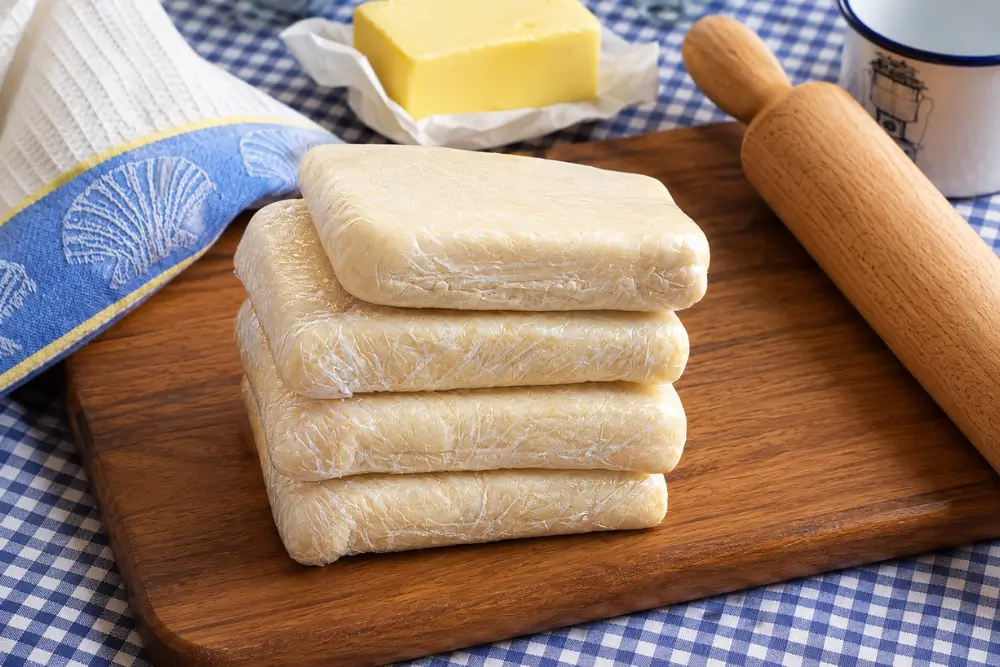
Even though I use puff pastry quite often in my cooking, I had never attempted to make it at home. With lots of flaky layers, a crisp texture, and rich buttery flavour, puff pastry is one of the most versatile doughs you can have in your freezer.
For years, however, I had heard people say it was hard to get right and simply not worth the effort. When I lived in Italy, I could buy excellent puff pastry at the supermarket, so I never really felt the need to make my own.
Here in Australia, things are a bit different. I’m not particularly fond of the regular store-bought puff pastry. It doesn’t taste as good as the versions I was used to, and it doesn’t puff up nearly as much.
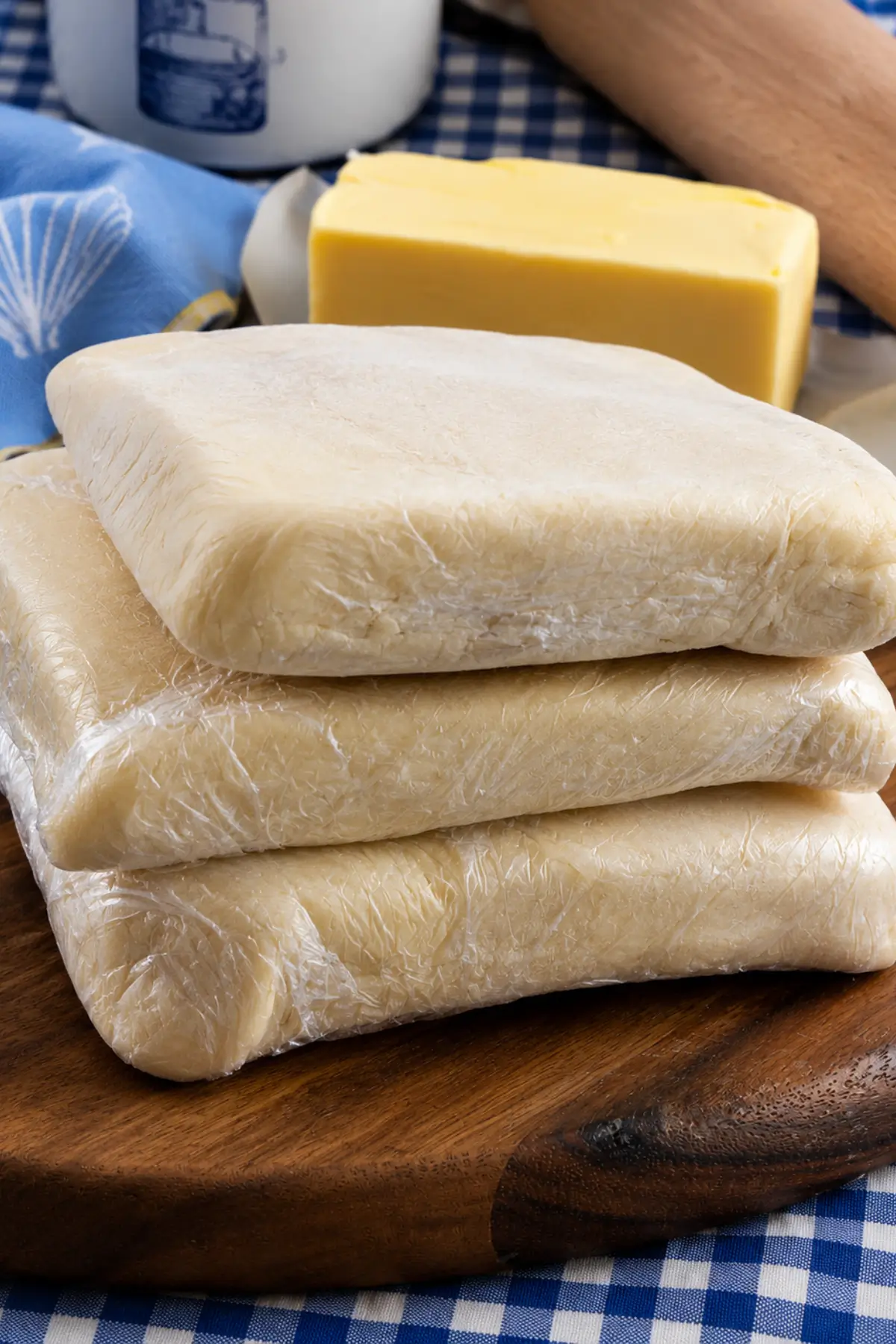
That finally gave me the push I needed to try making my own homemade puff pastry, and I’m so glad I did. Making puff pastry at home is much easier than I expected. In fact, I find it much easier than making croissants, although the method is quite similar.
It does require a bit of time, but the process itself is quite straightforward. The most important thing is keeping the butter cold and giving the dough enough time to rest between folds.
For that reason, I wouldn’t recommend making it on a particularly hot day, as the butter can soften too quickly and affect the layers.
Reasons to Make Your Homemade Puff Pastry
- Delicate layers provide a texture that pairs well with fruit, custard, cheese, vegetables, and meats.
- Homemade puff pastry gives you complete control over the quality of the ingredients used.
- Extra dough can be turned into cheese straws, palmiers, twists, or tart cases for easy snacks.
Key Ingredients for Homemade Puff Pastry
Butter
Butter gives puff pastry its rich flavour and flaky layers. Use a good-quality butter you enjoy eating, as you will taste it in the finished pastry. European-style butter is also a good option for its higher butterfat content and smooth texture.
Flour
Flour gives puff pastry its delicate structure and helps maintain the many layers created during folding. It produces a pastry with a light, crisp texture while remaining easy to work with.
Salt
A small amount of salt brings out the flavour of both the butter and the dough. Fine salt works best, as it distributes more evenly throughout the dough.
Find the complete list with measurements in the recipe card below.
How to Make Homemade Puff Pastry
Prepare the Pastry Dough (Détrempe)
Step 1: Place the flour and salt in the bowl of an electric mixer fitted with the dough hook attachment. Start the mixer and gradually add the ice-cold water to the flour mixture.
Step 2: Mix only until the ingredients come together to form a dough. Avoid overmixing, as this can develop the gluten and make the pastry less tender.
Step 3: Shape the dough into a ball. Place it between two sheets of baking paper and flatten it into a large rectangle.
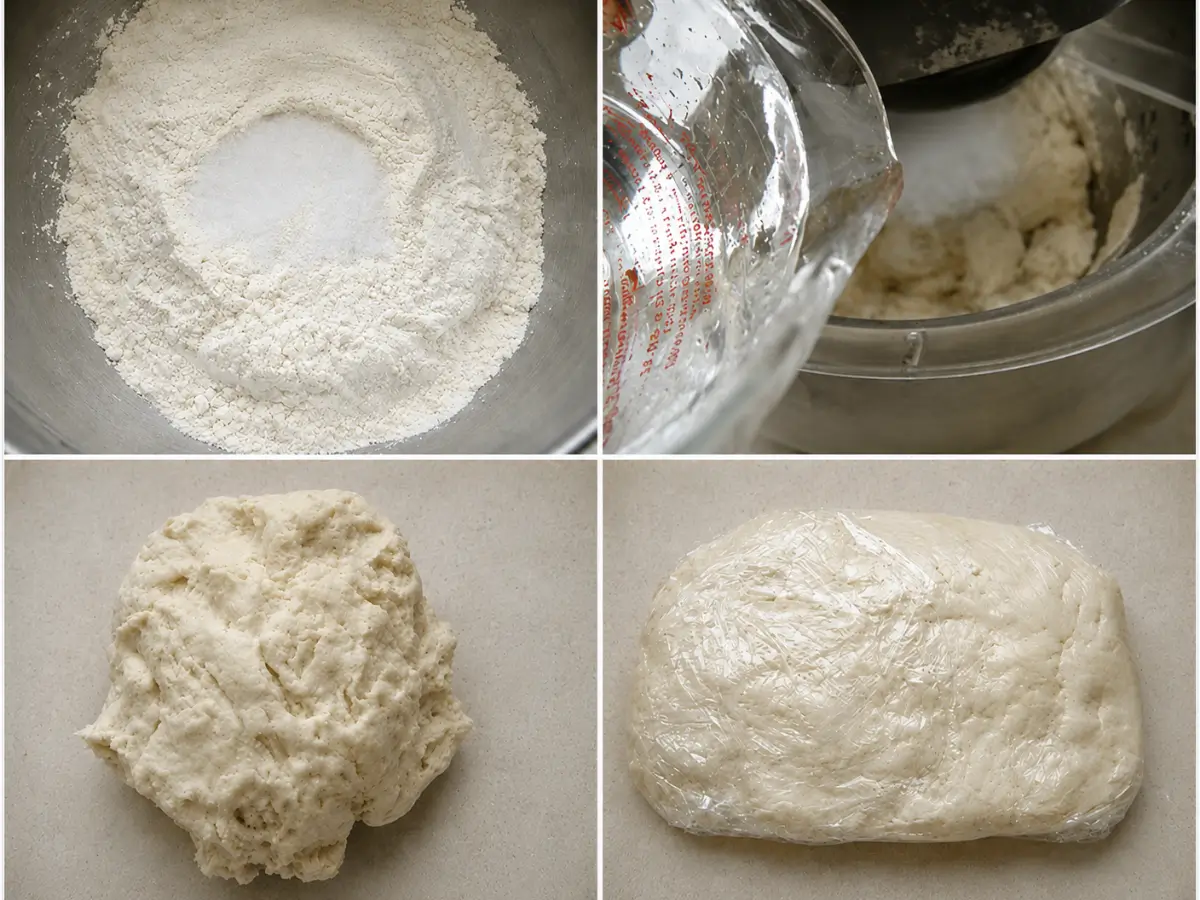
Step 4: Refrigerate for 1 to 1 ½ hours.
Prepare the Beurrage
Step 1: Place the cold butter between two sheets of baking paper and gently tap it with a rolling pin to make it more pliable.
Step 2: Place the butter and flour in an electric mixer fitted with the paddle attachment and mix until fully combined.
Step 3: Transfer the mixture between two sheets of baking paper and shape it into a rectangle approximately 1.25 cm – ½ inch thick.
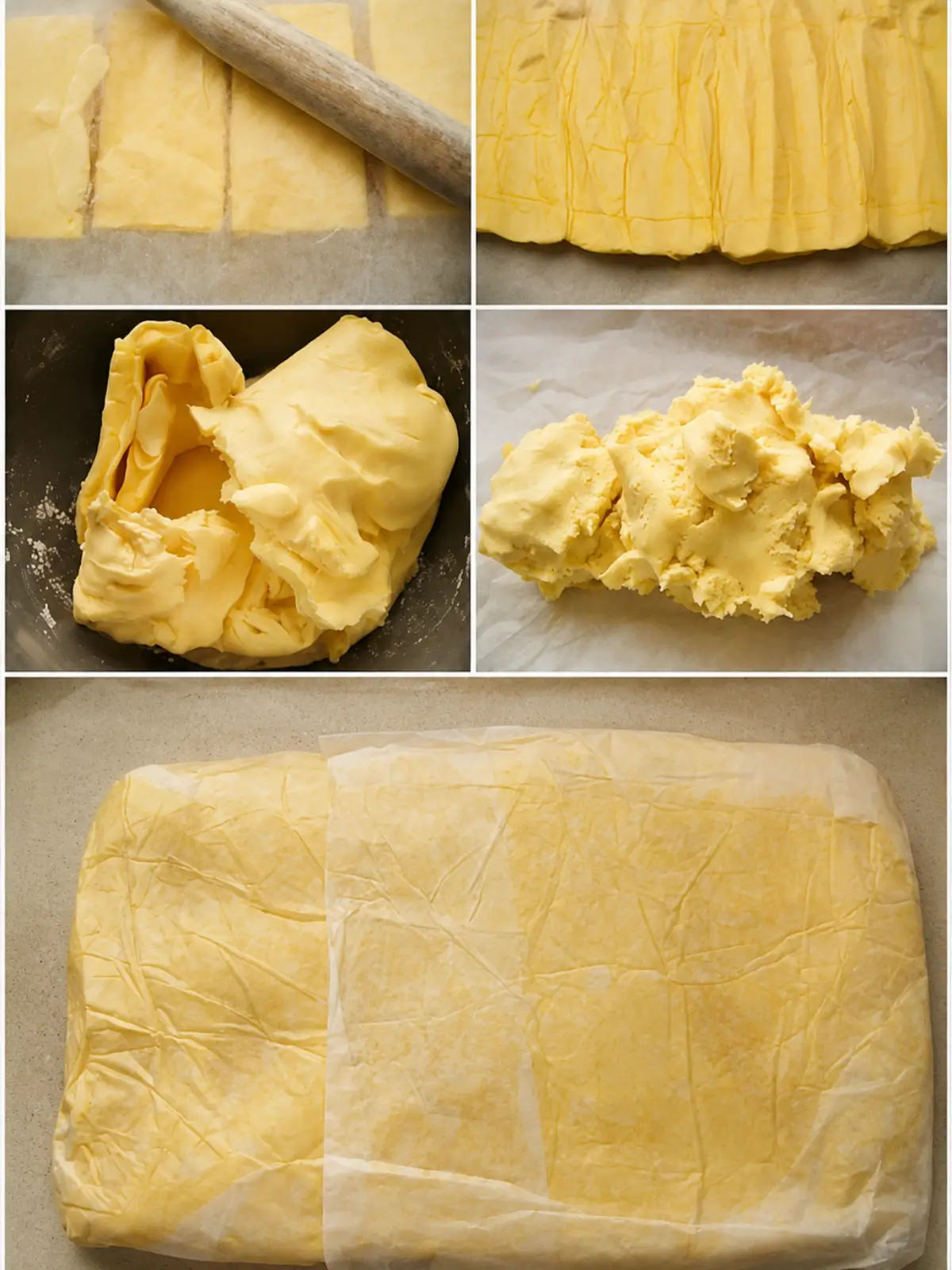
Step 4: Refrigerate for 1 hour.
Laminate the Puff Pastry Dough
Step 1: Roll the pastry dough into a long rectangle. Adjust the size as needed until the length of the beurrage matches the width of the dough. The beurrage covers approximately half the length of the dough when placed in the centre.
Step 2: Place the beurrage or butter block in the centre of the dough. Fold the bottom half of the dough over the butter, then fold the top half over it. Press gently to seal the join.
Step 3: Turn the dough so the sealed sides are on the left and right, with the join running vertically. Roll into a rectangle approximately 1.25 cm – ½ inch thick, rolling mainly upwards and downwards.
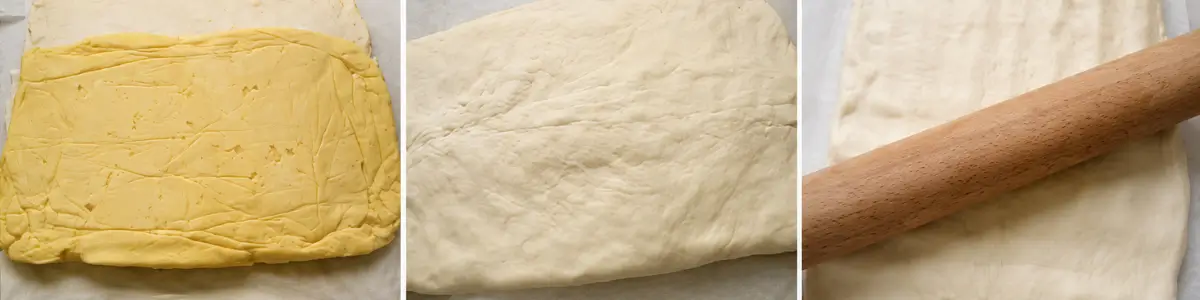
Step 4: Make a three-fold turn by folding one-third of the dough over the centre third, then folding the remaining third over the top.
Step 5: Cover with baking paper and refrigerate for 1 to 1 ½ hours.
Step 6: Roll the dough into a long rectangle again on a lightly floured surface, keeping the folded sides on the left and right. Make a four-fold turn by folding the bottom quarter towards the centre, folding the top quarter towards the centre, then folding one side over the other.
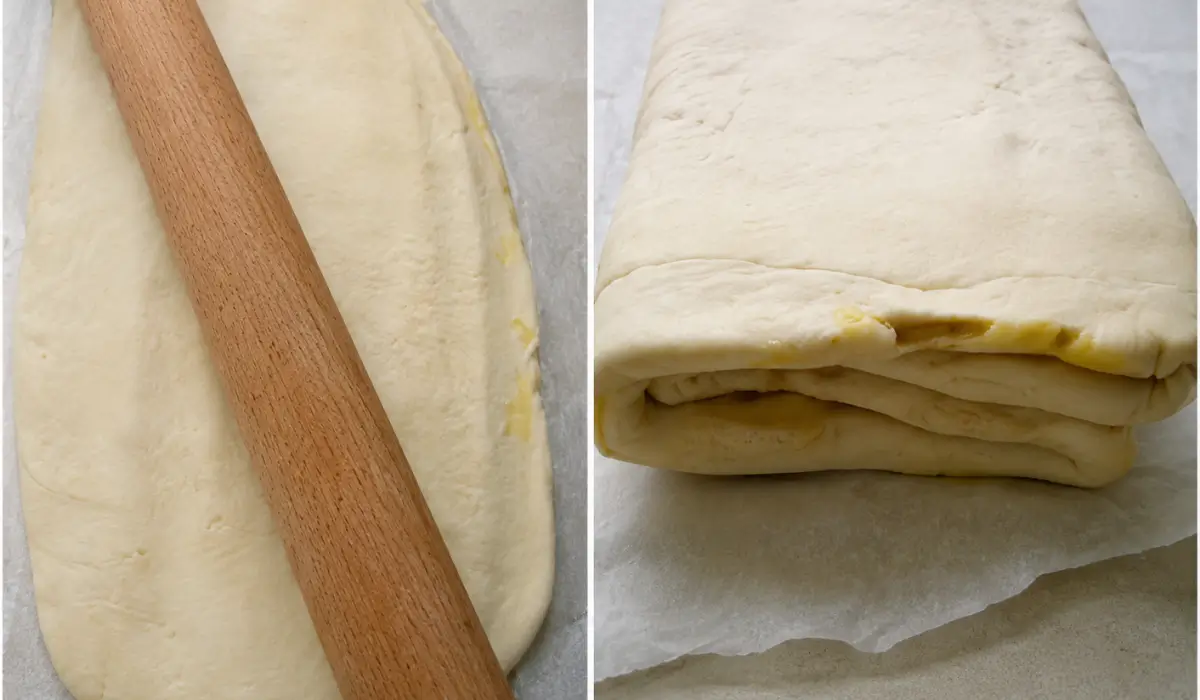
Step 7: Cover with baking paper and refrigerate for 1 to 1 ½ hours.
Step 8: Roll the dough into a long rectangle again, keeping the folded sides on the left and right. Make another three-fold turn.
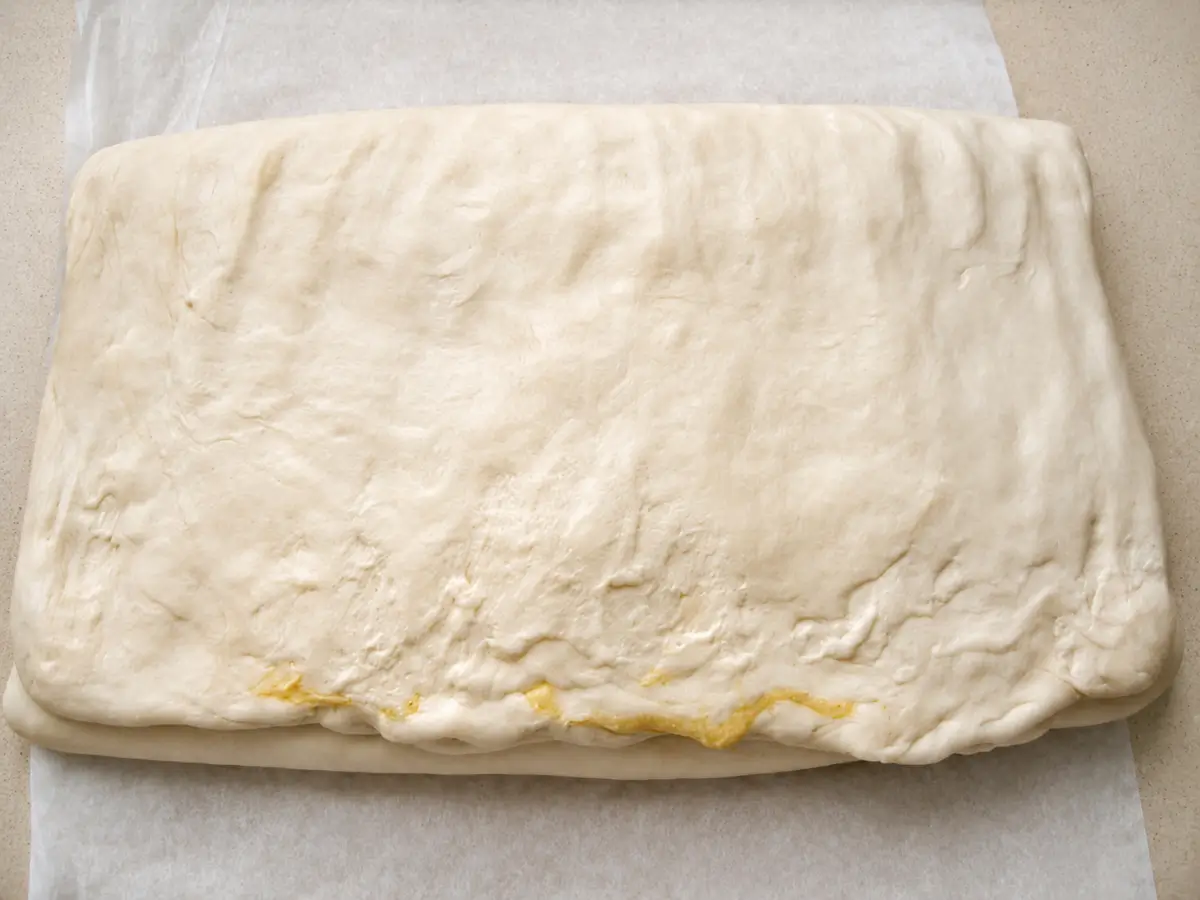
Step 9: Cover with baking paper and refrigerate for 1 to 1 ½ hours.
Step 10: Roll the dough into a long rectangle once more, keeping the folded sides on the left and right. Make another four-fold turn.
Step 11: Gently flatten the dough to compact the layers.
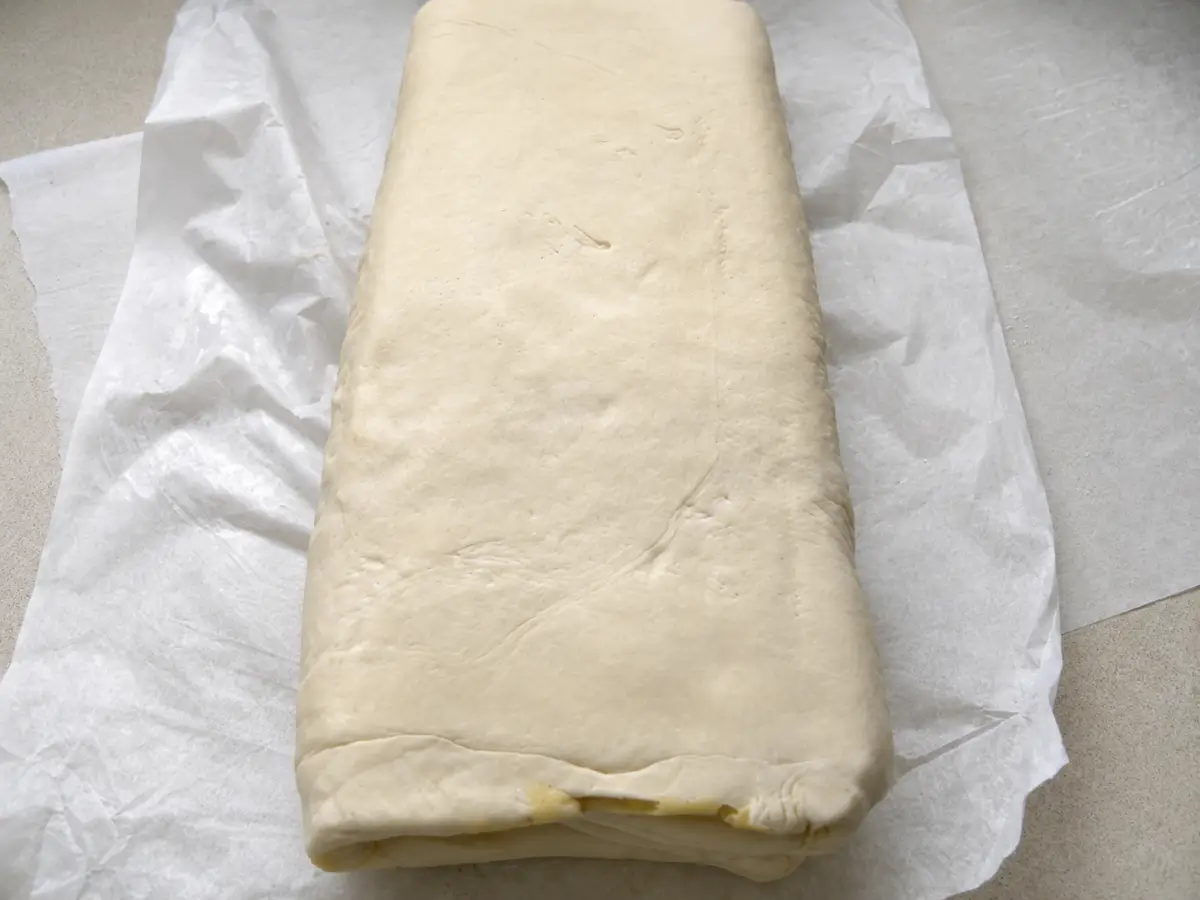
Step 12: Refrigerate for at least 1 to 2 hours before using.
Frequently Asked Questions
Yes. If using salted butter, reduce the added salt in the détrempe to avoid an overly salty pastry. Different brands contain varying amounts of salt, and a small adjustment can help maintain a balanced flavour.
Plain flour is the best choice for this recipe. It provides enough strength for the repeated rolling and folding while still producing light, flaky layers. Bread flour can make the dough slightly tougher, while cake flour may not provide enough structure for lamination.
Yes. The détrempe can be mixed by hand in a large bowl if you don’t have a stand mixer. A food processor can also be used, but mix only until the dough comes together. Overworking the dough can make it harder to roll. The remaining steps stay the same.
Use a very sharp knife and press straight down rather than sawing through the dough. This helps maintain distinct layers and prevents the edges from becoming compressed.
Extra Help from the Kitchen
Square Off the Edges – Straighten the edges of the dough with your hands or a bench scraper as you roll. A neat large rectangle makes the folds easier and helps create more even layers.
Apply Even Pressure When Rolling – Roll with steady pressure from the centre outwards rather than pressing heavily in one area. This helps maintain an even thickness throughout the dough.
Check for Exposed Butter – Inspect the dough before each turn and look for any spots where the butter is breaking through. Dust lightly with flour and patch small openings to keep the layers intact.
Allow the Dough to Rest if It Resists Rolling – Return the dough to the refrigerator for a short rest if it shrinks back or becomes difficult to roll. Relaxed dough is easier to shape into an even rectangle.
Variations and Twists
Incorporate Cocoa Powder – Replace part of the flour in the détrempe with 50 g – ⅓ cup cocoa powder. Sift it together with the remaining flour and salt before adding the water.
Use Cultured Butter – Replace the 1 kg – 2.2 lb butter in the beurrage with the same amount of cultured butter. This gives the pastry a slightly tangier butter flavour.
Mix in Fresh Herbs – Stir 2 to 3 tbsp finely chopped, completely dry herbs into the flour and salt before adding the water. Thyme, rosemary, and chives all work well.
Season with Black Pepper – Mix 1 to 2 tsp freshly cracked black pepper into the flour and salt before preparing the détrempe. This variation works particularly well for savoury pastries.
Substitute Wholemeal Flour – Replace part of the plain flour in the détrempe with 140 g – 1 cup wholemeal flour. Leave the flour in the beurrage unchanged to maintain a lighter texture.
Storage and Shelf Life
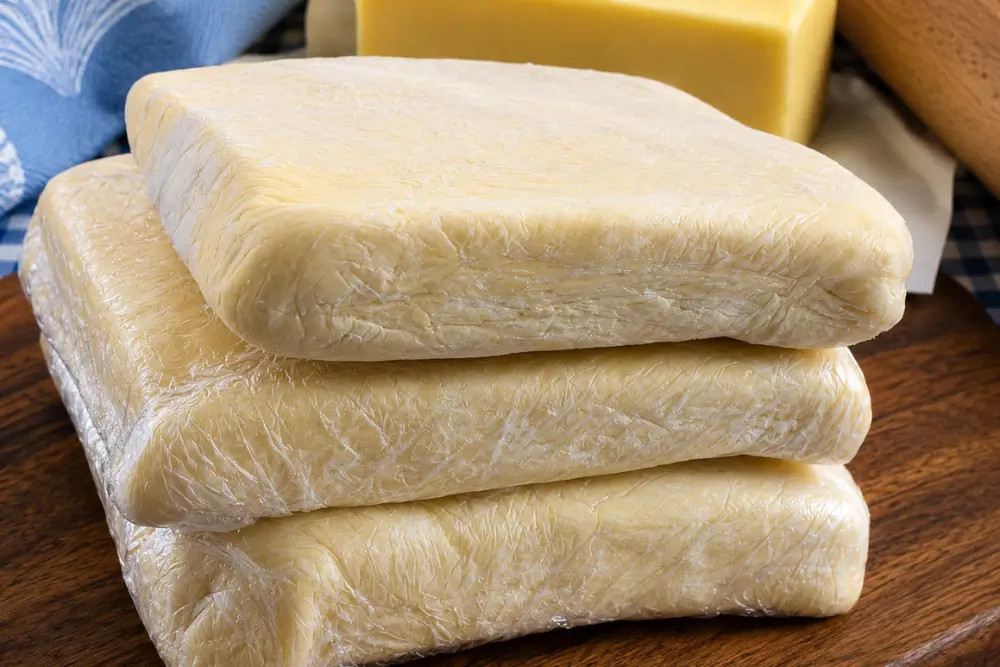
Store homemade puff pastry tightly wrapped in plastic wrap or in an airtight container in the refrigerator for up to 3 days.
For longer storage, freeze individual portions for up to 3 months. Thaw overnight in the refrigerator before using. If the dough feels too firm to roll after thawing, leave it at room temperature for a few minutes until pliable but still cold.
More Ways to Enjoy Homemade Puff Pastry
- Strawberries and Cream in Puff Pastry
- Pesto Pinwheels
- Smoked Salmon Mille-Feuille
- Cheese Twists and Pillows
- Mille-Feuille
Homemade Puff Pastry Recipe
Equipment
Ingredients
Détrempe
- 705 g – 25 oz flour
- 20 g – 4 tsp salt
- 440 g – 15.5 oz cold water
Beurrage
- 1 kg – 2.2 lb butter
- 295 g – 10.5 oz flour
Instructions
Prepare the Pastry Dough (Détrempe)
- Place the flour and salt in the bowl of an electric mixer fitted with the dough hook attachment. Start the mixer and gradually add the ice-cold water to the flour mixture.
- Mix only until the ingredients come together to form a dough. Avoid overmixing, as this can develop the gluten and make the pastry less tender.
- Shape the dough into a ball. Place it between two sheets of baking paper and flatten it into a large rectangle.
- Refrigerate for 1 to 1 ½ hours.
Prepare the Beurrage
- Place the cold butter between two sheets of baking paper and gently tap it with a rolling pin to make it more pliable.
- Place the butter and flour in an electric mixer fitted with the paddle attachment and mix until fully combined.
- Transfer the mixture between two sheets of baking paper and shape it into a rectangle approximately 1.25 cm – ½ inch thick.
- Refrigerate for 1 hour.
Laminate the Puff Pastry Dough
- Roll the pastry dough into a long rectangle. Adjust the size as needed until the length of the beurrage matches the width of the dough. The beurrage covers approximately half the length of the dough when placed in the centre.
- Place the beurrage or butter block in the centre of the dough. Fold the bottom half of the dough over the butter, then fold the top half over it. Press gently to seal the join.
- Turn the dough so the sealed sides are on the left and right, with the join running vertically. Roll into a rectangle approximately 1.25 cm – ½ inch thick, rolling mainly upwards and downwards.
- Make a three-fold turn by folding one-third of the dough over the centre third, then folding the remaining third over the top.
- Cover with baking paper and refrigerate for 1 to 1 ½ hours.
- Roll the dough into a long rectangle again on a lightly floured surface, keeping the folded sides on the left and right. Make a four-fold turn by folding the bottom quarter towards the centre, folding the top quarter towards the centre, then folding one side over the other.
- Cover with baking paper and refrigerate for 1 to 1 ½ hours.
- Roll the dough into a long rectangle again, keeping the folded sides on the left and right. Make another three-fold turn.
- Cover with baking paper and refrigerate for 1 to 1 ½ hours.
- Roll the dough into a long rectangle once more, keeping the folded sides on the left and right. Make another four-fold turn.
- Gently flatten the dough to compact the layers.
- Refrigerate for at least 1 to 2 hours before using.
Notes
- The puff pastry is ready to use after the final chilling period and can be rolled, shaped, or cut as needed for your recipe.
- For longer storage, wrap well and freeze. Thaw in the refrigerator before using to maintain the layers.
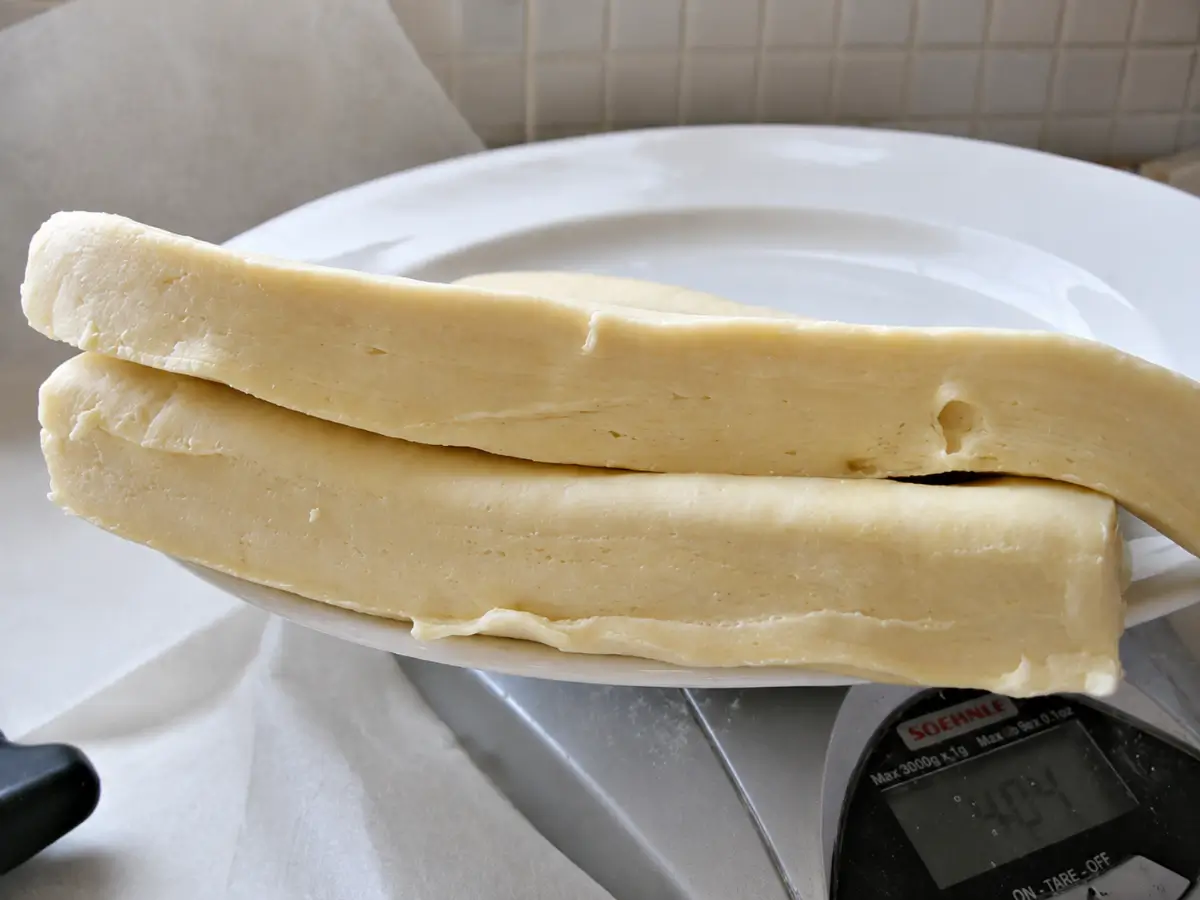
- Distinct, even layers should be visible when the dough is sliced, indicating the lamination process was completed successfully.
This post may contain affiliate links. If you purchase through these links, I may earn a small commission at no extra cost to you.

Love travelling as much as cooking?
Many of the recipes I share are inspired by places I’ve visited around the world. On Travel with Manu you’ll find destination guides, itineraries and travel inspiration to help you plan your next adventure.













Thank you for this great recipe! I hope you don’t mind that i shared it on my blog too! ohlafemme.com
Hey there I am making pyff pastry right now. I am not gonna use it until in two days though. Should I freeze it or leave it in the fridge? If I freeze (part if) it for later, would it be better to roll it out thinly rather than freezing an entire block? Or should I form croissants and freeze those? How long does it take to defrost? thanks so much!!
If it’s warm where you live or your fridge doesn’t keep thing very cold, I would freeze it. You can try and keep it in the fridge for 3 hours… if the butter starts to melt, freeze it straight away. I keep it in blocks (about 2 inch thick),so it’s easier to store, but you can also roll it thinner if you prefer.
How long does it take to defrost?
hi – what lovely inspiration I find on this site…
Please can you assist in telling me how thick should the final layer be after it is rolled out. I am attempting millefeuilles.
Thank you
Hi Avinesh
I have a recipe for mille-feuille here: http://www.manusmenu.com/mille-feuille
The pastry for the mille-feuille has to be very thin, about 3 mm. Hope it helps! 🙂
Manu
I have always made my own and I don’t find it hard at all. I learned from Rachel Allen Bakes on the Cooking Channel a long time ago. I do like using a good butter and that’s not Landoflakes. You need a good butter with a higher fat as in the European butters. So I say make puff pastry. It’s funny I just made puff pastry a couple of days ago. It’s easier than you think.
This is one of my VERY favourite all-time desserts and you’ve created a perfect version of it.
I’ve been meaning to try this, but have hesitated…
Thank you for the process pictures. They make it easier to understand how it all works.
It really isn’t all that complicated, or time consuming, is it? As long as I have a day I can bop in and out of the kitchen, between other tasks. (And don’t have the oven on… LOL)
My hero!!!