

Layers of spinach pasta, rich meat sauce, béchamel, and Parmigiano create a classic Lasagne Verdi with authentic flavour and soft, creamy layers.
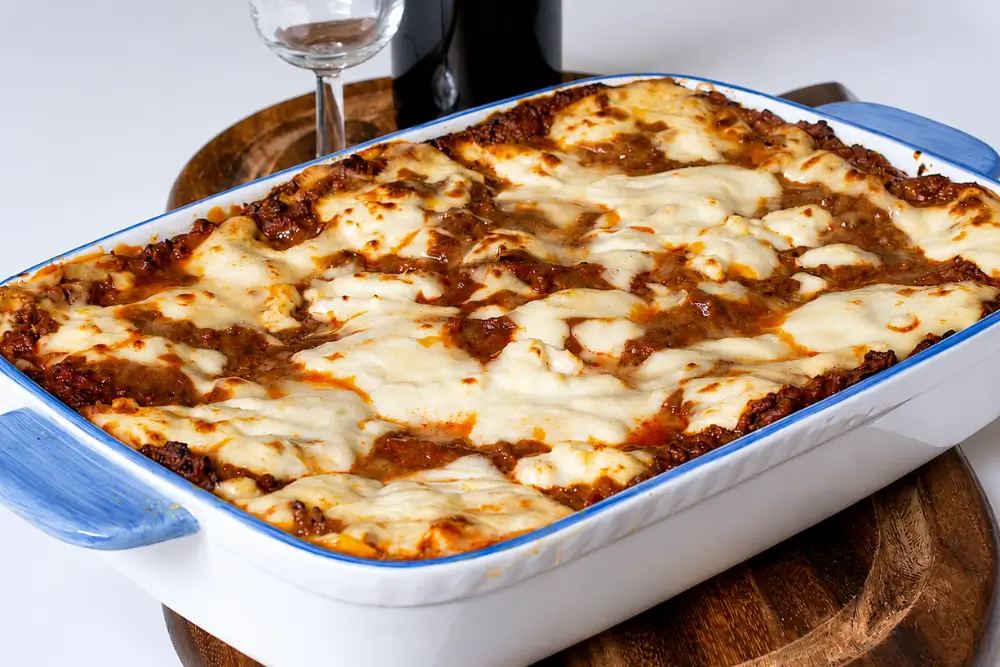
This Lasagne Verdi is a variation of the classic Baked Lasagne, made using green pasta sheets prepared with spinach dough. I can honestly say I prefer this version to my classic baked lasagne. I love both the flavour and the colour.
I first ate it as a child at a local trattoria in Bologna with my parents and grandparents, who were on holiday from Sicily. At the time, I was a very fussy eater, so my parents ordered lasagne because they thought it would probably be the safest option for me.
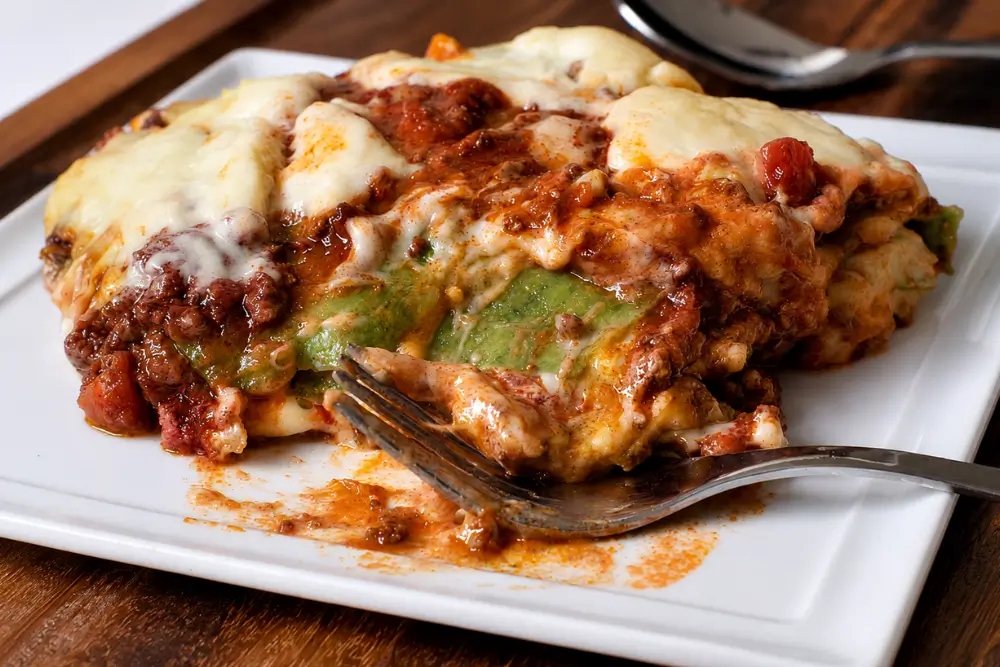
But when I dug my fork into it and saw green pasta, I was not impressed at all! It took a bit of convincing, but eventually I tried it and obviously loved it.
I am including this recipe in my Regional Italian Dishes series under Emilia-Romagna, as it is a dish from this region, even though this is my family’s recipe.
I hope you enjoy it!
Why We Love Green Lasagne
- Large trays of lasagne make serving family lunches much easier because everything is baked in one dish.
- Leftovers reheat extremely well and stay creamy and flavourful even the following day.
- Lasagne Verdi can be prepared ahead of time, making it practical for entertaining or busy weekends.
Key Ingredients for Lasagne Verdi
Green Pasta Sheets
Spinach pasta made with fresh spinach gives the lasagne its distinctive green colour and delicate flavour. I used my homemade green pasta dough for this recipe, and the pasta stays tender after baking while absorbing the sauces particularly well.
Beef Mince
Beef mince gives the ragù richness and texture while developing deeper flavour during slow cooking. I prefer using mince with some fat rather than extra lean beef, as it produces a fuller sauce and keeps the meat softer after simmering.
Tomato Purée and Tomato Concentrate
Tomato purée thickens the sauce while tomato concentrate adds a deeper tomato flavour. Good-quality tomatoes make a noticeable difference in a slow-cooked ragù like this one.
Béchamel Sauce
Béchamel adds creaminess between the pasta layers and balances the acidity of the tomatoes. Warm béchamel also spreads more evenly during assembly. You can use my homemade béchamel sauce recipe for this lasagne.
Fresh Mozzarella
Fresh mozzarella melts into soft creamy layers throughout the lasagne. Fior di latte mozzarella works particularly well because it melts smoothly without releasing excess liquid, though draining it beforehand still helps.
Find the complete list with measurements in the recipe card below.
How to Make Lasagne Verdi
Sauce
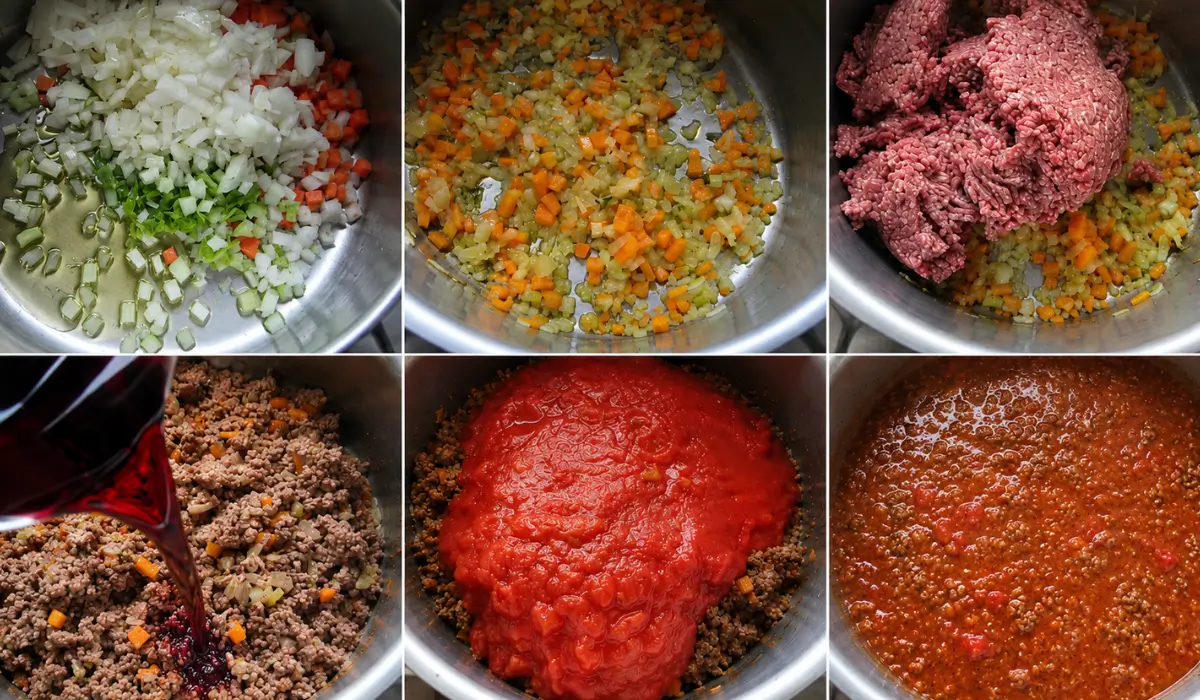
Step 1: Put the extra virgin olive oil, celery, carrot, and onion in a pot and sauté for a few minutes, until the vegetables are soft.
Step 2: Add the mince, stir well, and break up all the lumps with a wooden spoon.
Step 3: When the meat is nicely browned, add the wine and cook off the alcohol by increasing the heat.
Step 4: Add all the tomatoes, herbs, salt, and pepper, then fill the pot with water almost to the brim. Lower the heat to medium-low, cover, and let the sauce cook for at least 1 hour, or until thick. Set aside.
Preparing the Pasta Sheets
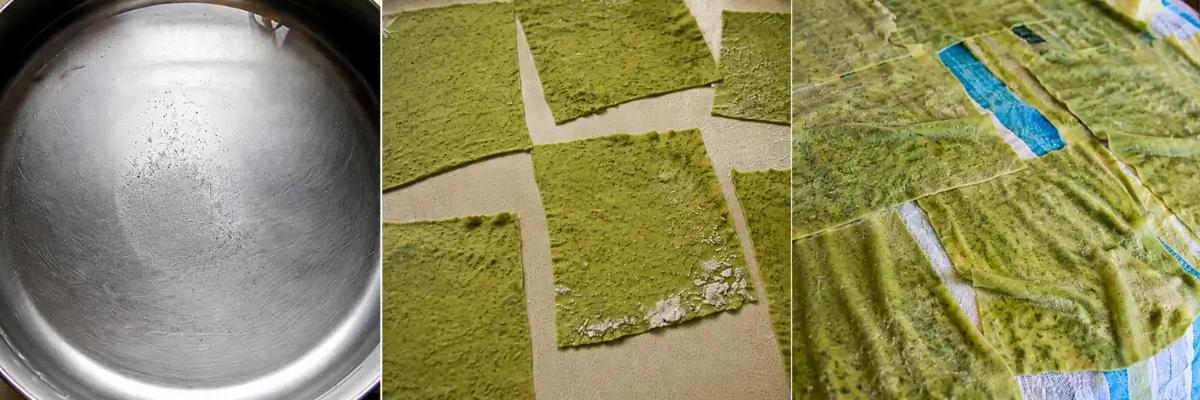
Step 1: Put a large pot of salted water on the heat and bring it to a boil.
Step 2: Cook the sheets of pasta for 1 minute in batches. Use a shallow, wide pot and cook the sheets in a single layer to prevent them from sticking together.
Step 3: Remove the pasta sheets with a slotted spoon and place them on a clean tea towel over your work surface to cool down.
Assembling the Lasagne
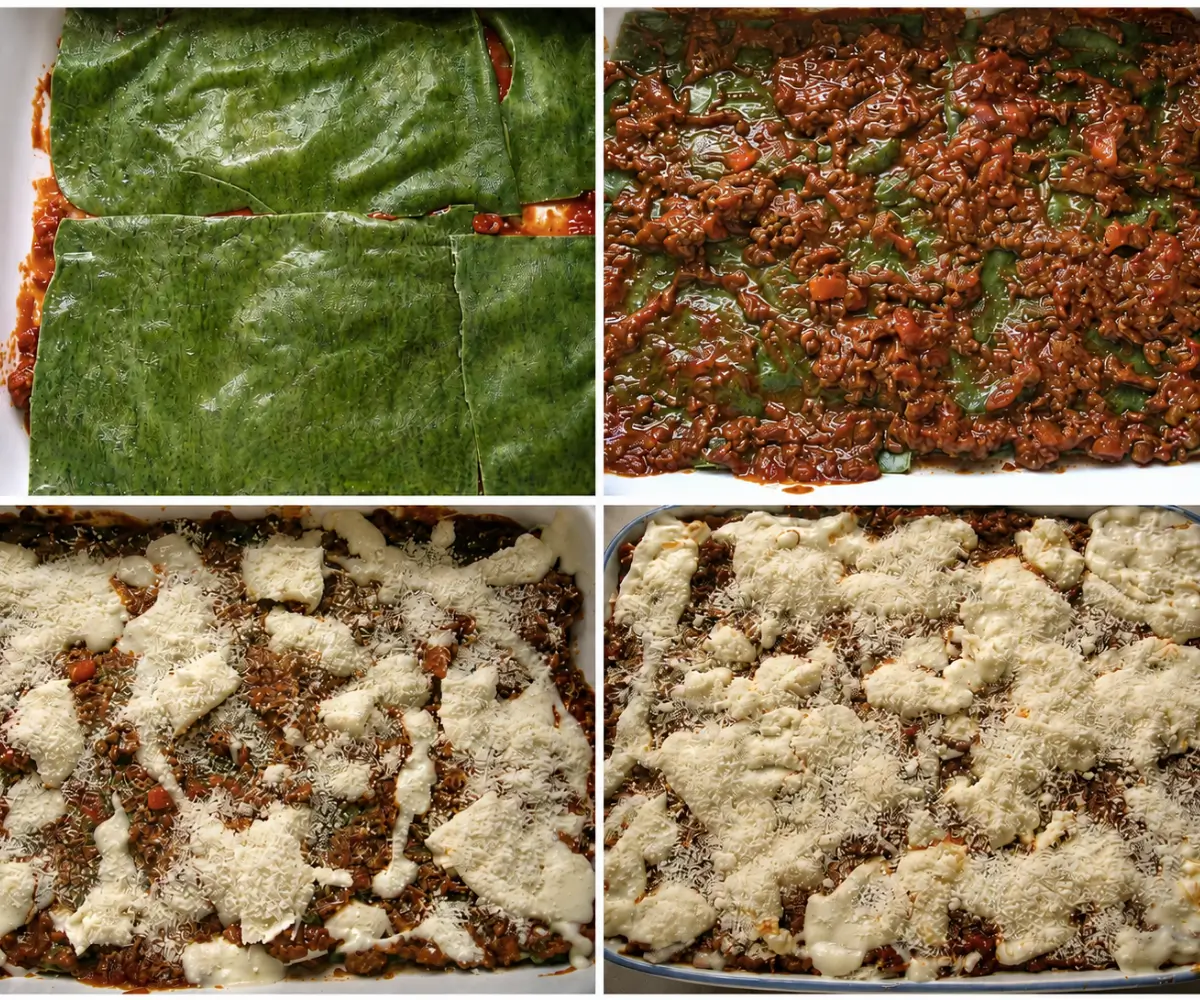
Step 1: Spread a layer of meat sauce on the bottom of an ovenproof dish. Add a single layer of cooled pasta, making sure the layers of pasta don’t overlap.
Step 2: Add more meat sauce, some béchamel sauce, sliced mozzarella, and grated Parmigiano Reggiano. Repeat for 5 to 6 layers.
Note: Don’t add mozzarella to the top layer, or it may burn and taste bitter.
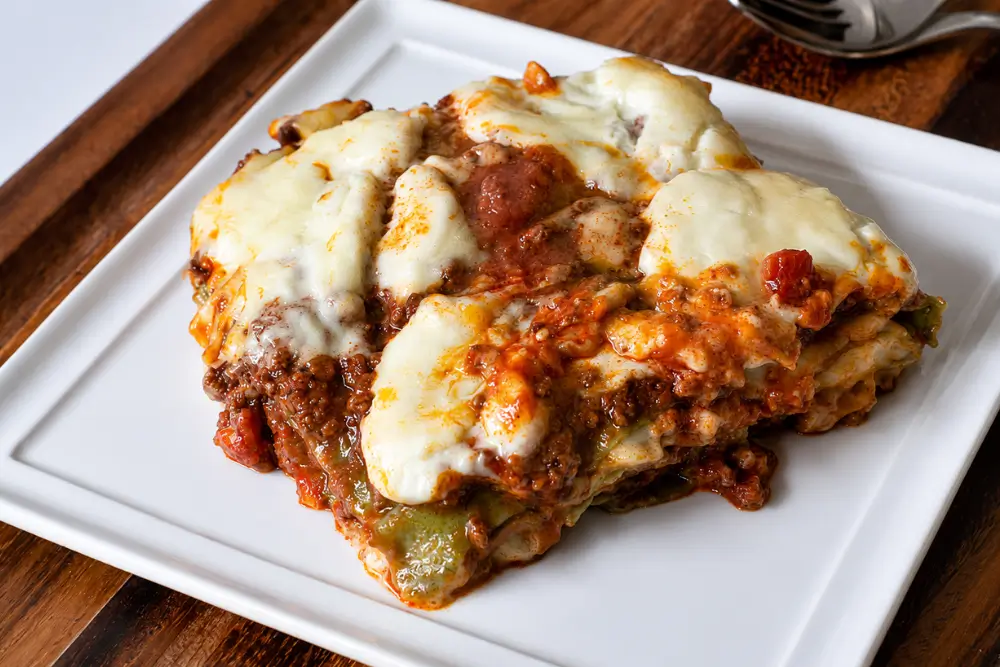
Step 3: Bake the lasagne in a preheated oven at 180°C – 355°F for 20 minutes, then grill for 5 to 10 minutes, until the top is golden brown. Serve warm.
Frequently Asked Questions
No. Fresh store-bought spinach pasta sheets also work well in this recipe. Homemade pasta gives slightly softer layers after baking.
Lasagne needs a few minutes to rest after baking so the layers can settle properly before cutting. Slicing it too early can cause the layers to slide apart.
Yes. It freezes well, both baked and unbaked, when stored in airtight containers or tightly wrapped trays. Thaw it overnight in the refrigerator before reheating.
Extra Help from the Kitchen
Use a Deep Baking Dish – A deeper dish helps keep the layers structured and prevents the sauce from bubbling over during baking.
Spoon the Sauce to the Edges – Spread the ragù and béchamel fully into the corners of the dish so the pasta cooks evenly and the edges stay soft.
Rotate the Dish Halfway Through – Turning the lasagne during baking helps the top colour more evenly, especially in home ovens with uneven heat.
Keep the Layers Thin – Thin even layers cook more evenly and stop the lasagne from becoming too heavy in the centre.
Press Down Gently While Layering – Lightly pressing each pasta layer into the sauce helps remove air gaps and keeps the slices neater after baking.
Variations and Twists
Layer Ricotta Between the Pasta – Small spoonfuls of ricotta between the pasta layers create a softer and creamier texture alongside the béchamel sauce.
Combine Different Meats in the Ragù – Replacing part of the beef mince with pork or veal gives the ragù a richer flavour and softer texture after slow cooking.
Season the Béchamel with Nutmeg – A small pinch of nutmeg in the béchamel gives the lasagne a warmer and more traditional flavour.
Use Dried Pasta Sheets – If homemade spinach pasta isn’t available, use commercial fresh pasta or dried pasta sheets. Keep the same layering method, but adjust boiling time depending on the pasta used.
Add Pancetta to the Sauce – Finely diced pancetta cooked with the onion, carrot, and celery gives the ragù a deeper savoury flavour.
Storage and Shelf Life
Store leftover Lasagne Verdi covered in the refrigerator for up to 3 days. For longer storage, freeze individual portions or the full tray in airtight containers for up to 2 months.
Thaw overnight in the refrigerator before reheating. Warm the lasagne in the oven at 180°C – 355°F until heated through to keep the layers soft and creamy.
Homemade Italian Pasta Bakes You’ll Love
- Pasta al Forno
- Radicchio and Taleggio Lasagne
- Baked Anelletti
- Green Lasagne with Stracchino
- Porcini and Taleggio Lasagne
Lasagne Verdi Recipe
Ingredients
Sauce
- 1 kg – 2.2 lbs beef mince
- 4 tbsp extra virgin olive oil
- 80 ml – 2.7 fl oz red wine
- 1 carrot – finely diced
- 1 onion – finely diced
- 1 celery stalk – finely diced
- 800 g – 28 oz diced tomatoes
- 300 ml – 10 fl oz tomato purée
- 140 g – 5 oz tomato concentrate
- 1 bay leaf
- ½ tbsp rosemary
- ¼ tbsp fennel seeds
- salt and pepper
Layers
- egg pasta sheets – made with 1 dose of green egg pasta dough
- 1 litre – 33.8 fl oz béchamel sauce
- 250 g – 8.8 oz fresh mozzarella – sliced
- 120 g – 4.2 oz Parmigiano Reggiano – finely grated
Instructions
Sauce
- Put the extra virgin olive oil, celery, carrot, and onion in a pot and sauté for a few minutes, until the vegetables are soft.
- Add the mince, stir well, and break up all the lumps with a wooden spoon.
- When the meat is nicely browned, add the wine and cook off the alcohol by increasing the heat.
- Add all the tomatoes, herbs, salt, and pepper, then fill the pot with water almost to the brim. Lower the heat to medium-low, cover, and let the sauce cook for at least 1 hour, or until thick. Set aside.
Preparing the Pasta Sheets
- Put a large pot of salted water on the heat and bring it to a boil.
- Cook the sheets of pasta for 1 minute in batches. Use a shallow, wide pot and cook the sheets in a single layer to prevent them from sticking together.
- Remove the pasta sheets with a slotted spoon and place them on a clean tea towel over your work surface to cool down.
Assembling the Lasagne
- Spread a layer of meat sauce on the bottom of an ovenproof dish. Add a single layer of cooled pasta, making sure the layers of pasta don’t overlap.
- Add more meat sauce, some béchamel sauce, sliced mozzarella, and grated Parmigiano Reggiano. Repeat for 5 to 6 layers.Note: Don’t add mozzarella to the top layer, or it may burn and taste bitter.
- Bake the lasagne in a preheated oven at 180°C – 355°F for 20 minutes, then grill for 5 to 10 minutes, until the top is golden brown. Serve warm.
Notes
- You can make the meat sauce the day before assembling the lasagne. The lasagne can also be assembled a day ahead and stored in the refrigerator.
- Take the lasagne out of the refrigerator a few hours before baking to bring it back to room temperature. This helps the centre heat through more evenly during baking.
This post may contain affiliate links. If you purchase through these links, I may earn a small commission at no extra cost to you.

Love travelling as much as cooking?
Many of the recipes I share are inspired by places I’ve visited around the world. On Travel with Manu you’ll find destination guides, itineraries and travel inspiration to help you plan your next adventure.











Will definitely have to try your lasagna recipe since my family is from Emilia-Romagna and I just returned from visiting them. This looks delicious as do all of your recipes!
Lasagne always works. Lovely! I still have some green pasta sheets in my storage.
Delicious dish … I love lasagne !
Well done and thanks for sharing the recipe.
Kisses from Greece
Manu, my mouth is watering just by looking at your delicious pictures. I love your lasagna and recipe! Wonderfully done my friend!
A real tour de force! Even in my bloated post-Thanksgiving state, this makes me really hungry…
My nonna used to make lasagna from scratch! It was divine!!! Italians have a thing for cooking, I tell you! 🙂 Happy Sunday to you too, Manu!!!