

Easy to slice and pleasant throughout the day, Yogurt Plumcake fits naturally into breakfast, snack time, or a quiet moment with tea.

While growing up in Italy, the morning treats I loved most were small yogurt plumcakes sold by a famous Italian brand.
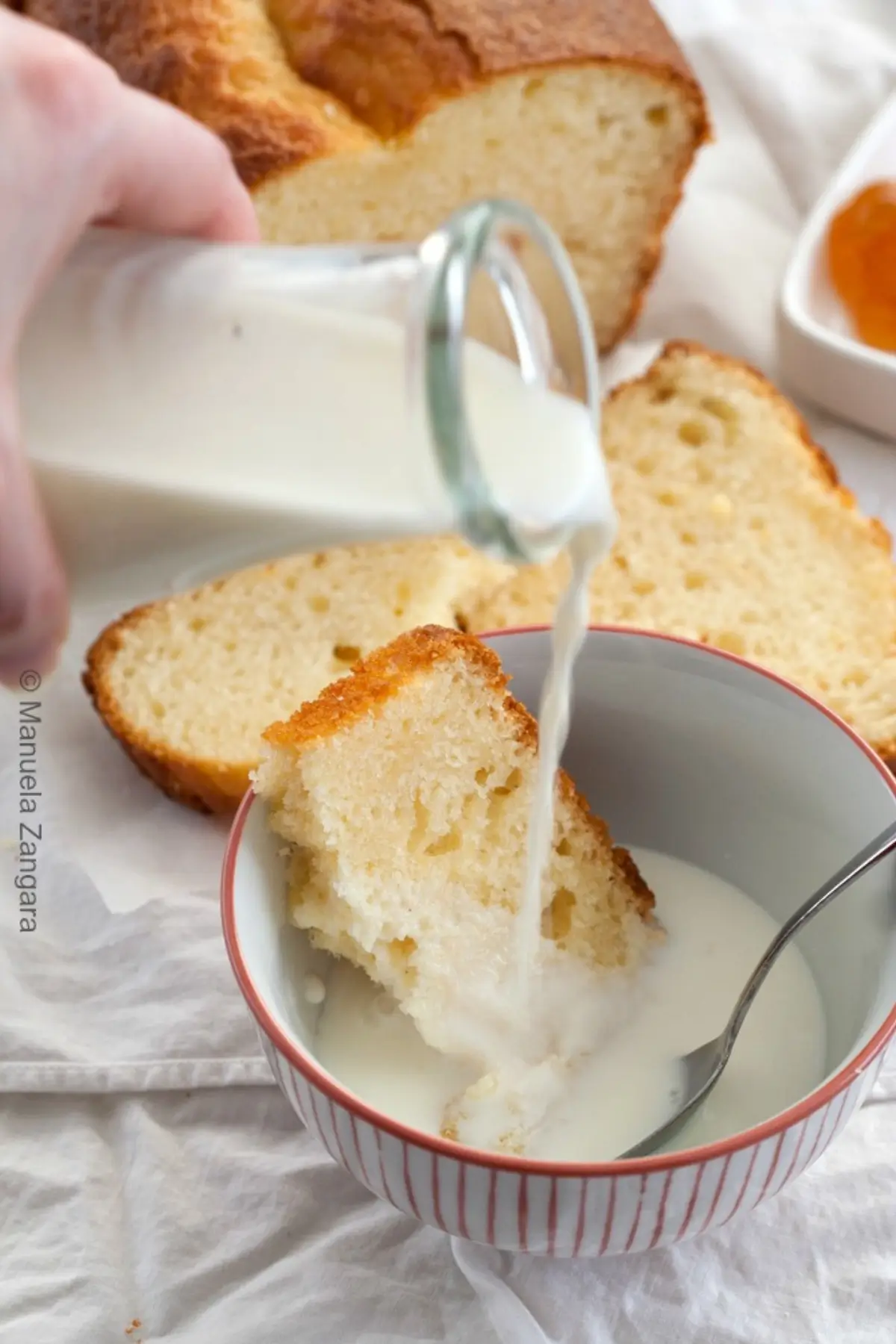
I am not sure how this cake got its name, as there are no plums in it, but it has become a classic for Italian breakfasts. I love how spongy and fluffy it is, and how well it goes with jam and Nutella. I also enjoy it plain, dipped in milk.
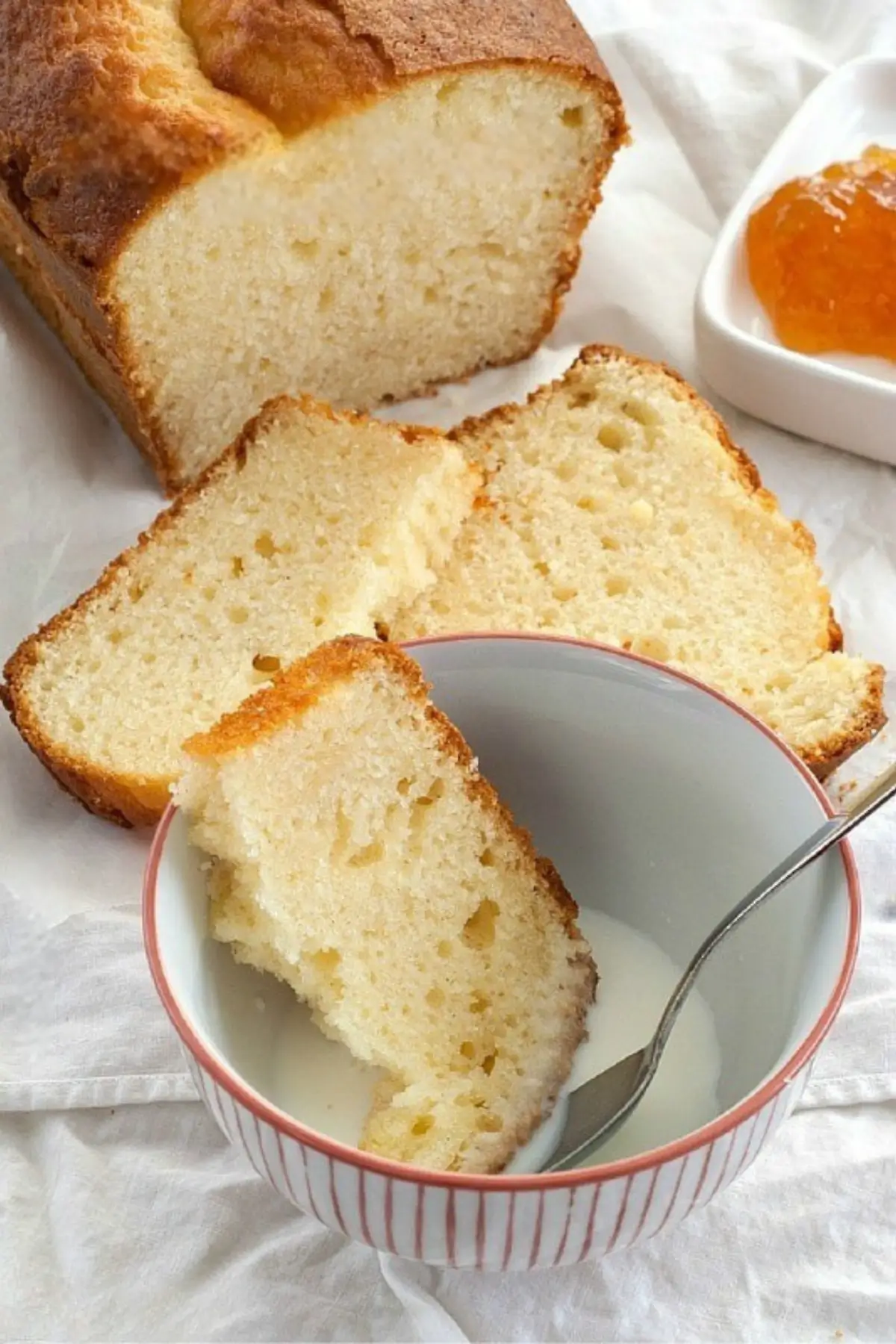
It is quite a healthy cake, with no butter and yoghurt instead. You can use fruit-based yoghurts to change the flavour, though I prefer mine plain.
This plumcake has become a favourite with my own children, too, and I often make it for their breakfast. If you like moist, soft cakes, this one is for you.
Why We Love This Homemade Plumcake
- Soft slices feel easy to eat first thing in the morning, even without anything on top.
- Loaf shape makes it easy to slice, serve, and share at home with family.
- Works well for busy weekday mornings at home and school routines.
Key Ingredients for Yogurt Plumcake
Yoghurt
Adds moisture and a gentle tang while keeping the crumb light. Full-fat yoghurt gives a softer texture and mixes more easily into the batter than low-fat options.
Potato Starch
Helps create a fine, tender crumb and keeps the cake soft once baked. Common in Italian baking, it can be replaced with cornflour if needed, with only a slight change in texture.
Lemon Zest
Lifts the flavour and balances the sweetness without making the cake taste strongly of citrus.
Find the complete list with measurements in the recipe card below.
How to Make Yogurt Plumcake
Step 1: Sift together the flour, potato starch, and baking powder. Set aside.
Step 2: Using an electric mixer, beat the eggs, sugar, salt, vanilla extract, and lemon zest for about 5 minutes, until pale and fluffy.
Step 3: Gradually add the vegetable oil, a little at a time, while continuing to beat the mixture.
Step 4: Add 2 tablespoons of the flour mixture and continue beating.
Step 5: Add the yoghurt, 1 tablespoon at a time, beating well after each addition.
Step 6: Add the remaining flour mixture and beat until smooth.
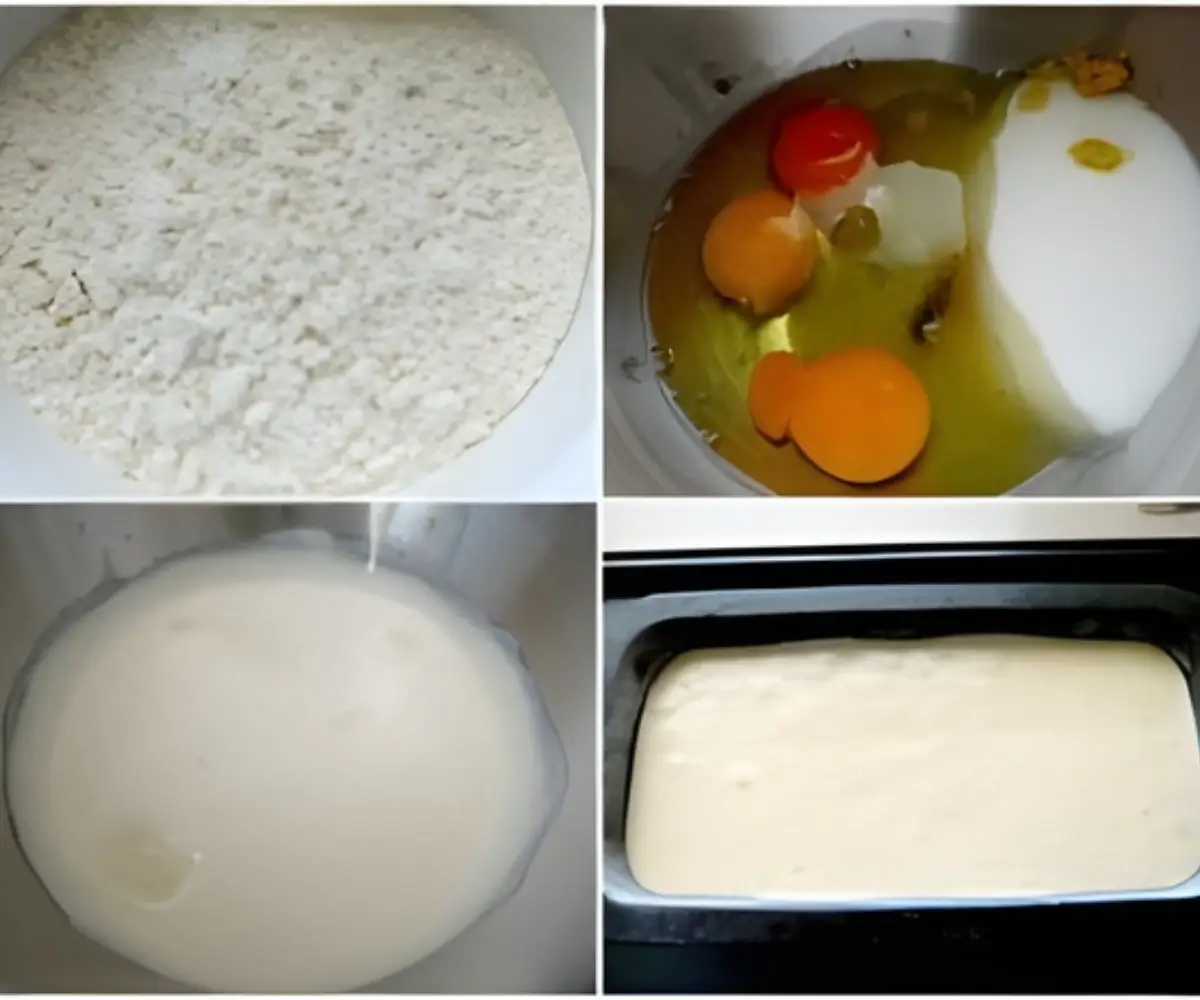
Step 7: Pour the batter into a greased 23 × 12.5 cm – 9 × 5 inch loaf tin. Bake in a preheated oven at 170°C – 340°F for about 45 minutes, or until a toothpick inserted into the centre comes out clean. Let the cake cool slightly in the tin, then transfer it to a wire rack to cool completely.
Step 8: Once completely cold, store the plumcake in a Ziplock bag, leaving it slightly open so the moisture does not spoil the cake. This helps keep the crust soft.
Step 9: Serve the next day for breakfast.
Frequently Asked Questions
Yes. Plain full-fat yoghurt works well and gives a more neutral flavour. Vanilla yoghurt adds a light aroma but does not affect the structure.
Fruit yoghurt works well and adds a light flavour to the cake. Choose smooth varieties without fruit pieces so the batter stays even.
Cornflour can be used instead of potato starch in the same quantity. The cake will still bake well, though the crumb may be slightly less soft.
Yes. A small handful of chocolate chips or chopped nuts can be folded in at the end without changing the baking time.
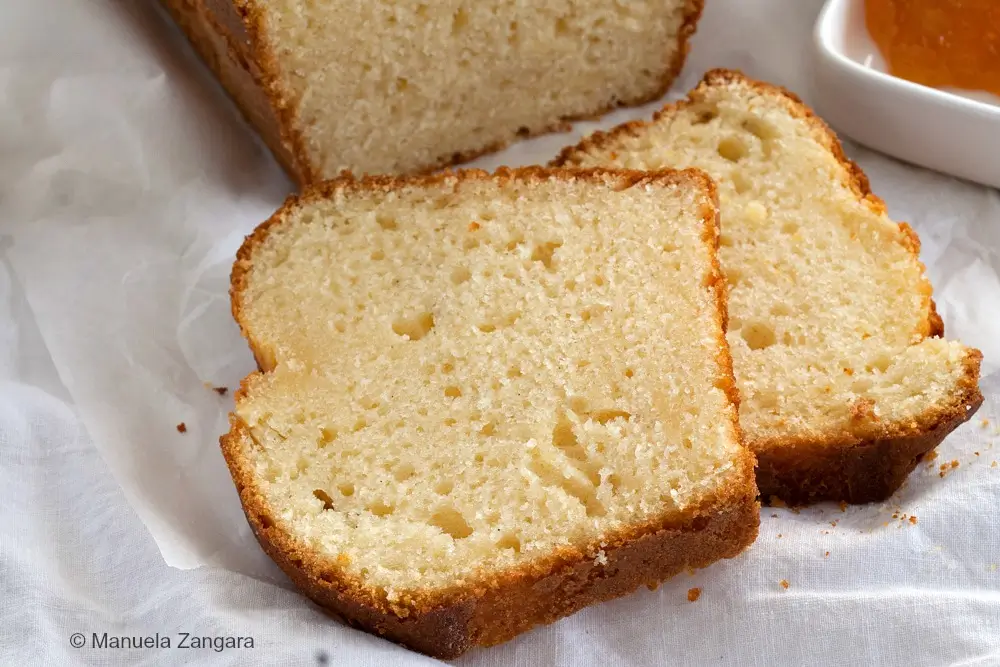
Slices are often served plain or with jam, Nutella, or honey, especially at breakfast. Fresh fruit on the side pairs well and keeps the serving light. Coffee, tea, or a glass of milk work well alongside.
Extra Help from the Kitchen
Grease the Tin Thoroughly – Oil the loaf tin well and dust lightly with flour or potato starch so the cake releases cleanly after baking.
Measure the Yoghurt by Weight – Using a scale rather than a cup helps keep the batter balanced, especially if the yoghurt is thick or set.
Stop Mixing Once Smooth – Overmixing after adding the flour can tighten the crumb, so mix only until the batter looks even.
Position the Tin in the Centre of the Oven – Baking on the middle shelf helps the cake rise evenly and bake through without darkening too quickly.
Test Doneness in More Than One Spot – Insert a toothpick in the centre and slightly off to the side to confirm the loaf is fully baked.
Variations and Twists
Add Sliced Fruit on Top – Arrange thin slices of plum, peach, or nectarine over the batter before baking. The fruit softens in the oven and adds gentle flavour without affecting the crumb.
Use Mild Olive Oil – Replace the vegetable oil with a light olive oil to give a subtle depth of flavour that works well with yoghurt and citrus zest.
Sprinkle Sugar on the Surface – Scatter a small amount of light brown sugar over the batter before baking to create a lightly textured top as the cake bakes.
Change the Citrus Zest – Swap the lemon zest for orange zest to give the cake a softer citrus note while keeping the overall balance the same.
Fold in Soft Fruit – Gently fold in small berries or finely chopped stone fruit at the end of mixing to add interest without changing baking time.
Storage and Shelf Life
Store the fully cooled cake in a Ziplock bag at room temperature, leaving it slightly open to allow excess moisture to escape.
This keeps the crumb soft and prevents condensation. The cake keeps well for up to 3 days. For longer storage, freeze the cake whole or sliced in a well-sealed Ziplock bag for up to 2 months.
Thaw at room temperature before serving. Refrigeration is possible for up to 5 days, though the texture may become slightly firmer, so bring slices back to room temperature before eating.
More Baking Ideas Worth Trying
Yogurt Plumcake Recipe
Easy to slice and pleasant throughout the day, Yogurt Plumcake fits naturally into breakfast, snack time, or a quiet moment with tea.
Ingredients
- 150 g – 1 cup all-purpose or 00 flour
- 50 g – ⅓ cup potato starch
- 200 g – ¾ cup + 1 tbsp vanilla yoghurt
- 3 eggs
- 160 g – ¾ cup granulated sugar
- 100 ml – ½ cup vegetable oil – I use sunflower
- ½ tsp vanilla extract
- zest of 1 lemon – grated
- 1 pinch salt
- 2½ tsp baking powder
Instructions
-
Sift together the flour, potato starch, and baking powder. Set aside.
-
Using an electric mixer, beat the eggs, sugar, salt, vanilla extract, and lemon zest for about 5 minutes, until pale and fluffy.
-
Gradually add the vegetable oil, a little at a time, while continuing to beat the mixture.
-
Add 2 tablespoons of the flour mixture and continue beating.
-
Add the yoghurt, 1 tablespoon at a time, beating well after each addition.
-
Add the remaining flour mixture and beat until smooth.
-
Pour the batter into a greased 23 × 12.5 cm – 9 × 5 inch loaf tin. Bake in a preheated oven at 170°C – 340°F for about 45 minutes, or until a toothpick inserted into the centre comes out clean. Let the cake cool slightly in the tin, then transfer it to a wire rack to cool completely.
-
Once completely cold, store the plumcake in a Ziplock bag, leaving it slightly open so the moisture does not spoil the cake. This helps keep the crust soft.
-
Serve the next day for breakfast.
Recipe Notes
You can also use fruit-based creamy yoghurt, such as apricot or peach, to change the flavour. Make sure the yoghurt is smooth and does not contain pieces of fruit.

Love travelling as much as cooking?
Many of the recipes I share are inspired by places I’ve visited around the world. On Travel with Manu you’ll find destination guides, itineraries and travel inspiration to help you plan your next adventure.













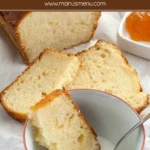
Is it milk or cream that is being poured on the cake? What kind of preserves are being used?
Hi Racheal. It’s just milk… Italians sometimes dip this cake in milk (like cookies), especially if it’s served for breakfast.
I used apricot jam, but that’s up to you… any jam/preserve would go well with it. 🙂
Manu