

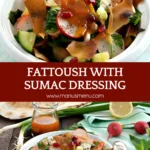
Bright, zesty, and refreshing, this Fattoush with Sumac Dressing brings together the best of crispy bread, fresh vegetables, and a tangy sumac dressing. Perfect for meal prepping or a quick lunch.
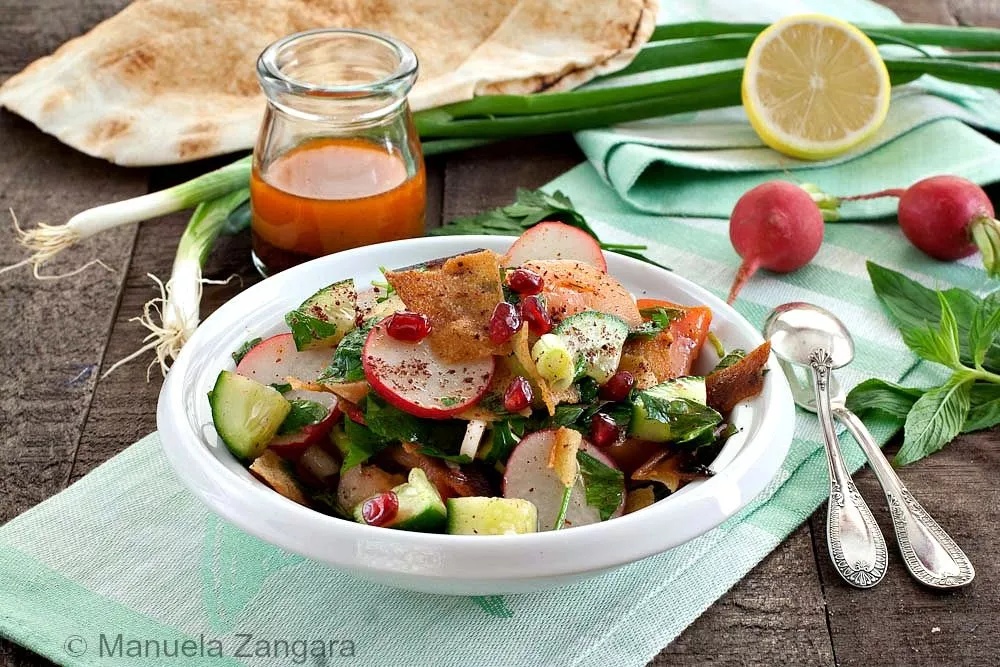
Oh, how excited I was when I first read about the challenge! Ruth, Shelley, and Sawsan from the Daring Cooks invited us to explore new flavours and combinations in our salads and dressings, and I couldn’t wait to get started.
With the warmer weather here and spring settling in across the Northern Hemisphere, there couldn’t be a better time to experiment with fresh salad recipes. I’ve always loved salads, but I must admit, I’m the only one in my family who does.
So, this challenge was the perfect excuse to create something a little more exciting, a side dish or light lunch that would really get my taste buds going!
A Bowl of Sunshine
It might sound a little unusual, but not many people in Italy add crostini to their salads. In fact, we never did in my family and we had salad almost every day.
When I say salad, I mostly mean either a simple green salad or a basic tomato salad. Nothing too fancy. The dressing was always simple, extra virgin olive oil, salt and either vinegar or lemon juice. That’s it.
Since starting my blog, however, I’ve expanded my repertoire of dressings. Do you remember my Strawberry Balsamic Dressing or my Yoghurt and Saffron Dressing? They’ve both become regulars in my kitchen. But today, I’m excited to share with you one of my favourite salads, Fattoush.
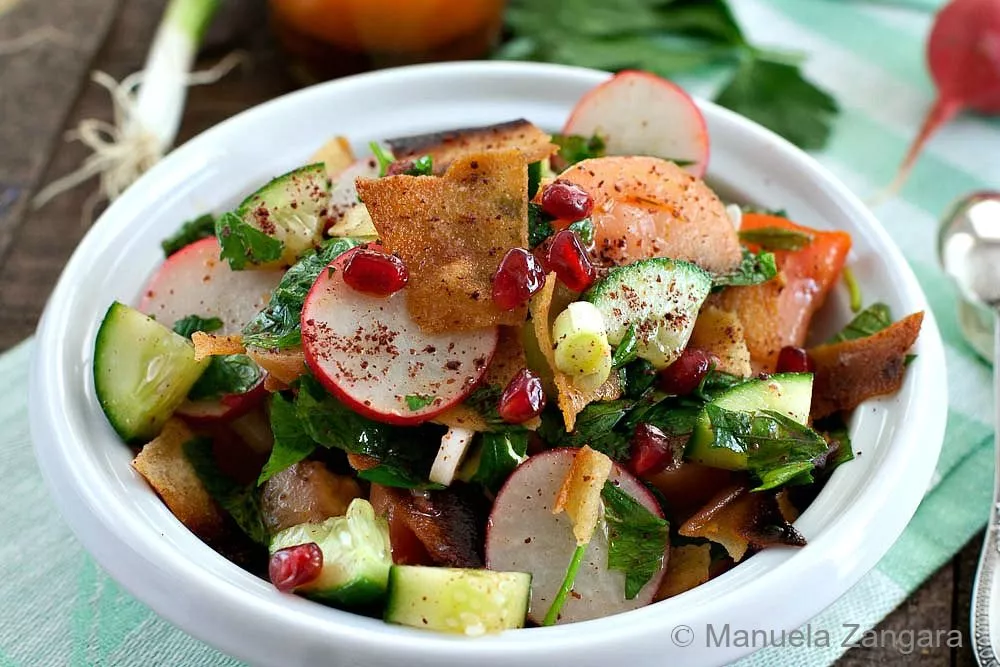
Fattoush is a traditional Middle Eastern salad made with fried Arab bread (khubz) and fresh vegetables. I’ve had my fair share of Fattoush variations, but the one I’m sharing today is my personal favourite. It doesn’t include peppers, but I’ve added pomegranate arils for a delightful crunch, sweetness and tartness, along with a beautiful splash of colour.
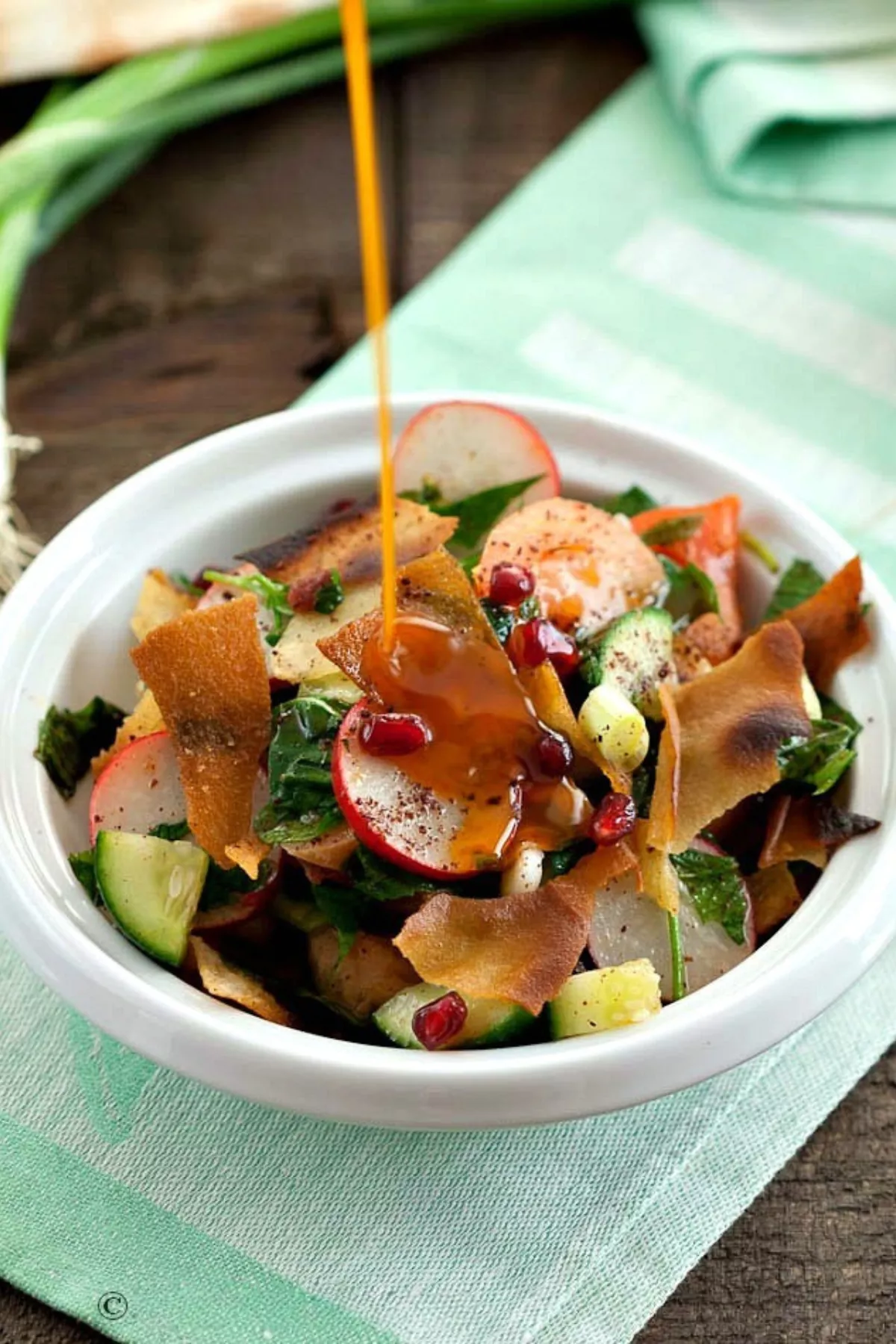
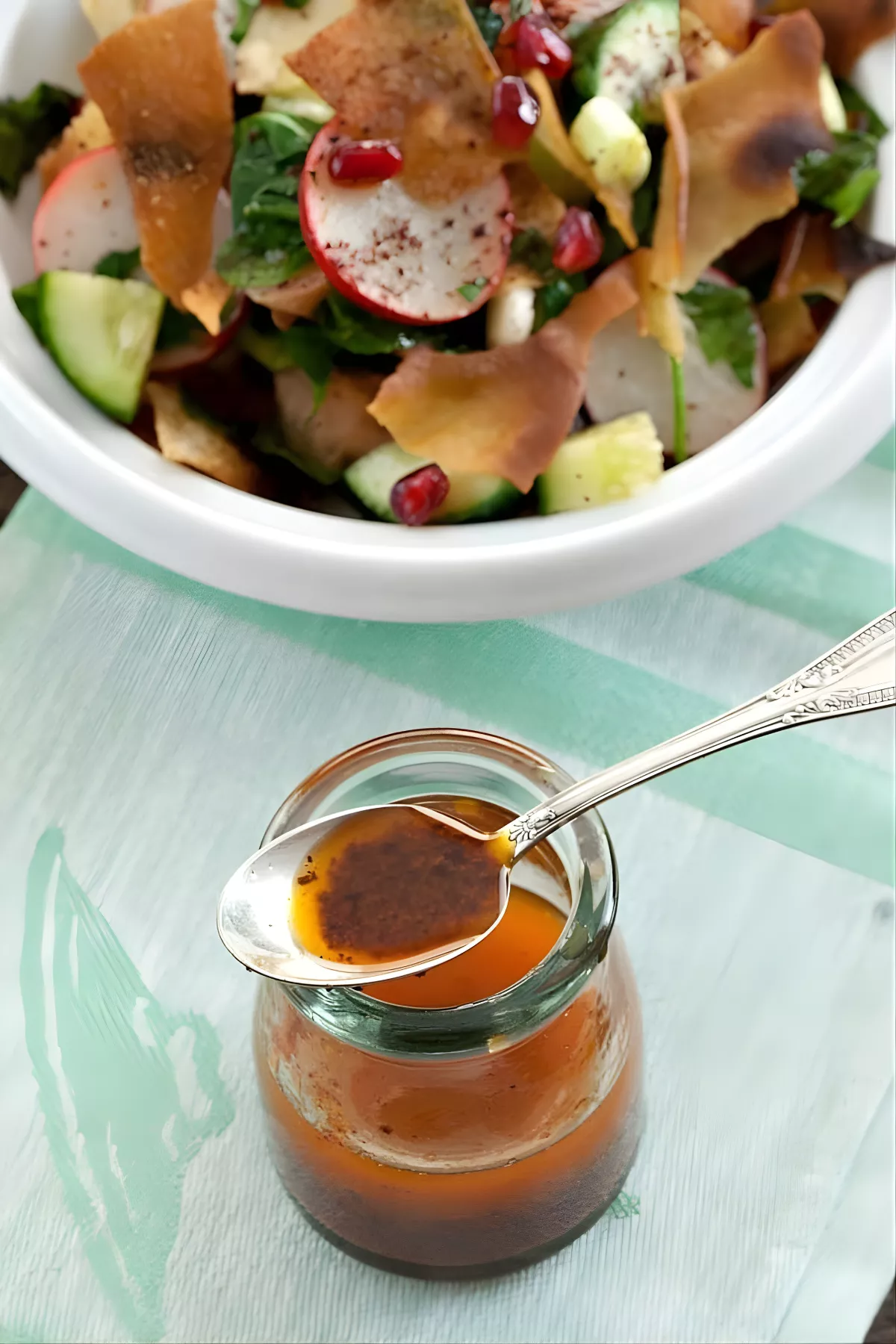
The dressing is simple and fresh, just the way I like it. The sumac adds a slight sourness and the paprika gives the dressing its vibrant colour.
When you combine these components, you end up with the perfect salad, balanced, crunchy, fresh and utterly delicious. The fried bread makes it filling enough for a light lunch as well.
I hope you enjoy this as much as I did, it’s a true favourite in my kitchen!
Why We Can’t Get Enough of Fattoush
- A healthy, colourful salad packed with vegetables and light on calories.
- Meal prep-friendly, with veggies and dressing staying fresh when kept separate.
- This healthy salad can be customised easily with a variety of vegetables or even proteins.
Key Ingredients for Fattoush with Sumac Dressing
Khubz (Arab Bread)
Fried until crispy, the khubz bread adds an essential crunchy texture to the salad, making it both satisfying and unique.
Sumac
A key ingredient in the dressing, sumac brings a subtle sourness, giving the salad a tangy kick that balances the richness of the fried bread.
Pomegranate Arils
These little jewels add a burst of sweetness and tartness, while their bright red colour creates a beautiful contrast against the green vegetables.
Fresh Herbs
The freshness of parsley and mint enhances the salad and provides a refreshing contrast to the other flavours.
Find the complete list with measurements in the recipe card below.
How to Make Fattoush with Sumac Dressing
Sumac Dressing
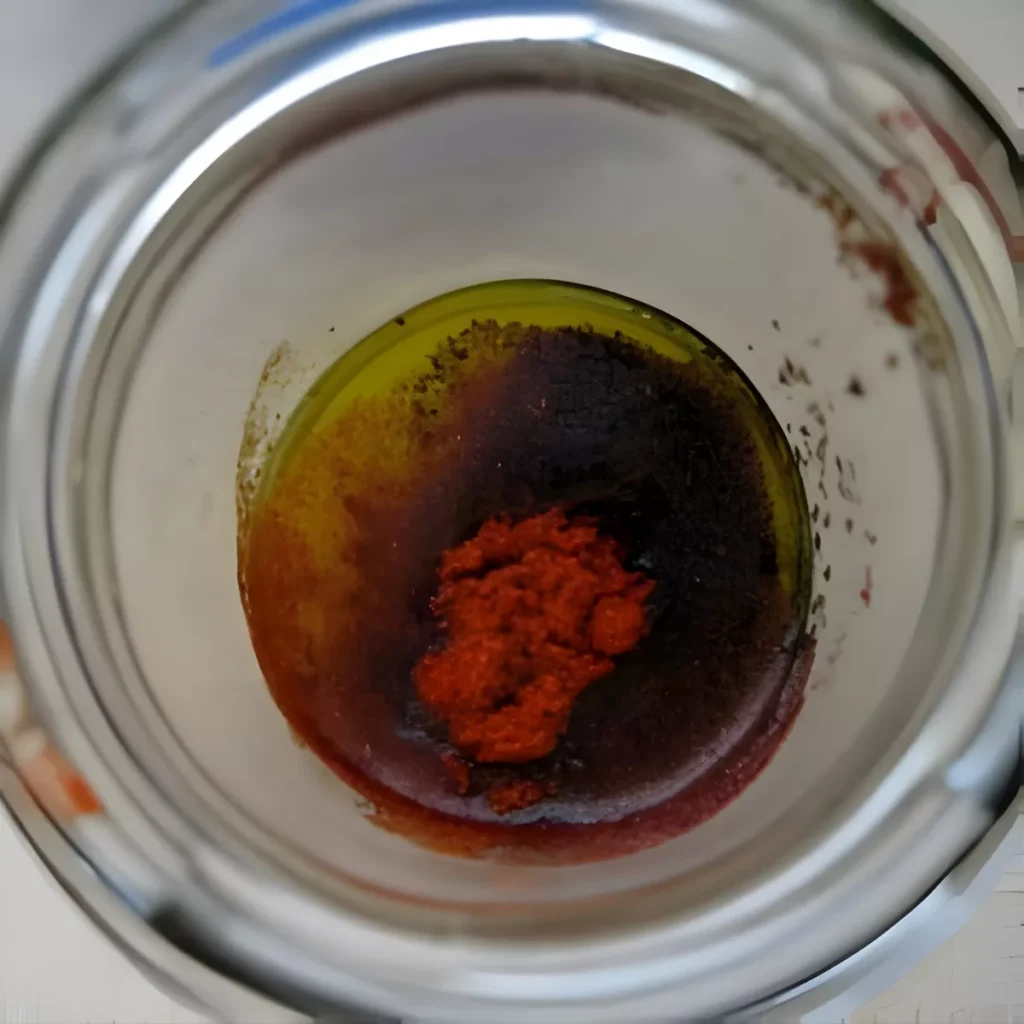
Step 1: Combine all the ingredients in a jar, seal it with a tight lid, and shake well to mix.
Step 2: Set it aside.
Fattoush Salad
Step 1: Shallow fry the khubz bread in olive oil. Once golden and crisp on both sides, remove it and place it on a plate lined with kitchen paper to drain the excess oil.
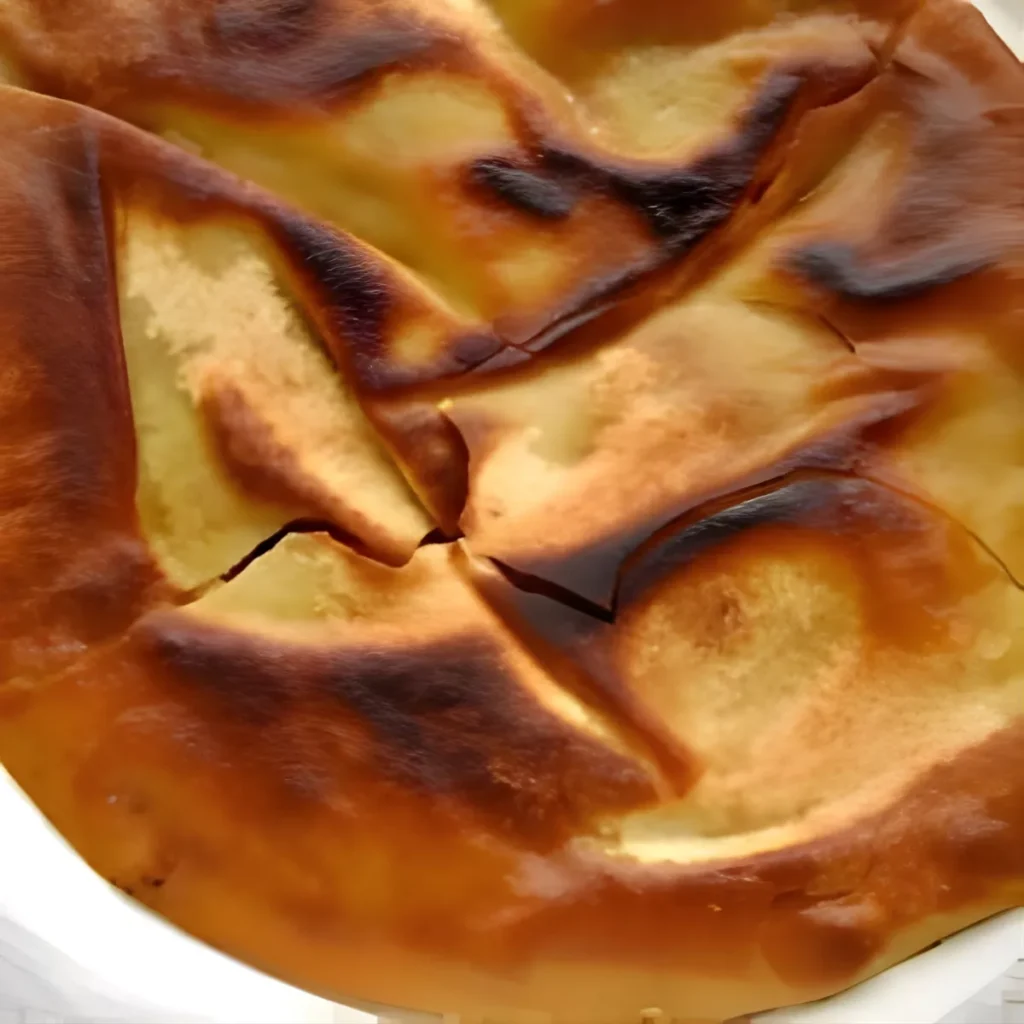
Step 2: Once the bread has cooled, break it into pieces and set it aside.
Step 3: In a large bowl, mix all the remaining ingredients together.
Step 4: When ready to serve, add the fried khubz pieces to the salad.
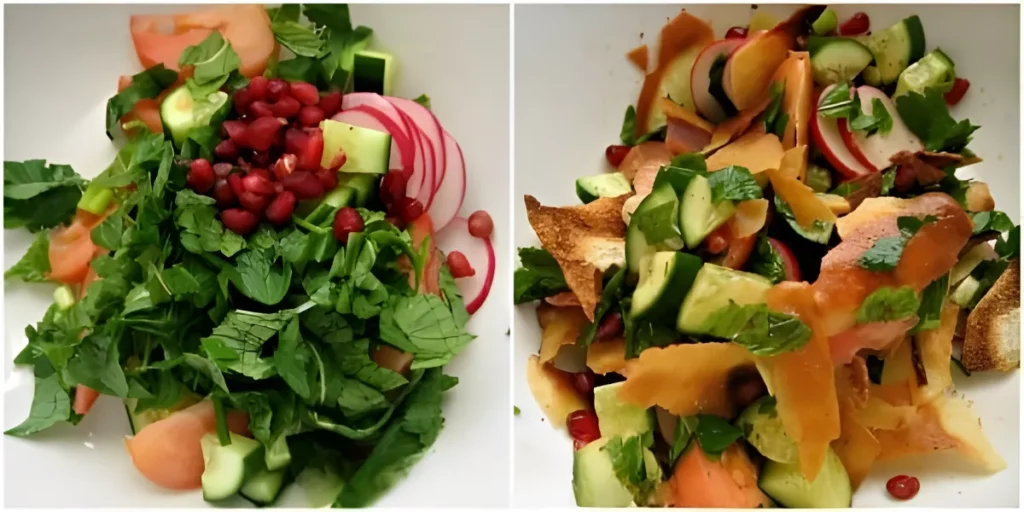
Step 5: Pour the Sumac dressing over the salad, toss well, and serve.
Frequently Asked Questions
Fattoush is best served fresh to maintain the crunch of the fried bread. However, you can prepare the vegetables and dressing in advance. Just assemble the salad and add the fried bread just before serving.
If you have leftovers, store the salad in the fridge for up to 1 day. The bread will soften, so it’s best to store the dressing and bread separately and assemble the salad fresh when ready to serve.
Yes, pita bread is a great substitute for khubz. Just cut it into pieces and fry it until crispy. While khubz has a slightly thicker texture, pita will still give the salad the necessary crunch. If you’re short on time, store-bought pita chips can work as a quick alternative.
Extra Help from the Kitchen
Use Day-Old Bread – If you have leftover bread, it works perfectly for making the khubz crispy. Just tear it into pieces and toast it until golden. Fresh khubz can also be used, as the bread will become crispy when fried.
Let the Dressing Rest – Allow the dressing to sit for a few minutes before adding it to the salad. This gives the flavours time to develop and intensify.
Don’t Overcrowd the Pan – When frying the bread, make sure the pieces aren’t overcrowded in the pan, so they fry evenly and become crispy.
Serve Immediately – Fattoush is best served fresh to maintain the crunch of the fried bread. Add the bread just before serving to avoid it getting soggy.
Variations and Twists
Chickpea Fattoush – Adding a cup of cooked chickpeas would be a great way to make the salad more substantial by providing extra protein and texture.
Spicy Fattoush – For some heat, include a pinch of cayenne pepper or a finely chopped fresh chilli in the dressing.
Fattoush with Roasted Vegetables – Add roasted vegetables such as eggplant, bell peppers, or zucchini for a deeper, caramelised flavour that complements the freshness of the salad.
Cheese Lover’s Fattoush – Sprinkle crumbled feta or goat cheese over the top of the salad for a creamy contrast to the crunchy bread.
Storage and Shelf Life
Store the Fattoush salad in an airtight container in the fridge for up to 1 day. However, the fried bread will lose its crispness over time. For best results, store the dressing separately in an airtight container in the fridge for up to 1 week.
When storing leftovers, keep the bread and salad components apart, and add the fried bread just before serving to maintain its crunch.
Other Salad Recipes You’ll Love
Fattoush with Sumac Dressing Recipe
Bright, zesty, and refreshing, this Fattoush with Sumac Dressing brings together the best of crispy bread, fresh vegetables, and a tangy sumac dressing. Perfect for meal prepping or a quick lunch.
Ingredients
Sumac Dressing
- 1 clove garlic – crushed
- 1 tsp salt
- 1 tsp sweet paprika
- 2 tsp sumac
- 4 tbsp extra virgin olive oil
- 2 tbsp lemon juice
Fattoush Salad
- 2 Arab breads – khubz
- Olive oil – for frying
- 2 cucumbers – chopped
- 2 tomatoes – sliced
- 4 radishes – sliced
- 4 spring onions – chopped
- 1 cup parsley – roughly chopped
- 1 cup mint – roughly chopped
- 4 tbsp pomegranate arils
Instructions
Sumac Dressing
-
Combine all the ingredients in a jar, seal it with a tight lid, and shake well to mix.
-
Set it aside.
Fattoush Salad
-
Shallow fry the khubz bread in olive oil. Once golden and crisp on both sides, remove it and place it on a plate lined with kitchen paper to drain the excess oil.
-
Once the bread has cooled, break it into pieces and set it aside.
-
In a large bowl, mix all the remaining ingredients together.
-
When ready to serve, add the fried khubz pieces to the salad.
-
Pour the Sumac dressing over the salad, toss well, and serve.
Recipe Notes
Add the bread and dressing just before serving to prevent the bread from becoming soggy.

Love travelling as much as cooking?
Many of the recipes I share are inspired by places I’ve visited around the world. On Travel with Manu you’ll find destination guides, itineraries and travel inspiration to help you plan your next adventure.











Made this today. Next time I’m going to only use 1/4 tsp of salt in the dressing because it was VERY salty with 1 tsp. Otherwise, great recipe!
What brand of sweet paprika do you use? I have a few different kinds so wanted to know which one would suit this recipe the best!
I had fattoush salad at a Dallas restaurant and loved the sumac dressing! Can you make the dressing with za’atar instead of sumac?
Hi Jonnie. Yes, you can make the dressing with za’atar (the spice mix should contain sumac as well). It will taste slightly different though, as za’atar also has other herbs and spices mixed in. I still like the taste of it!
Congrats on also being featured in Deanna’s Olive and Grapevine Salad Newsletter this week!
LOVE this salad! Cheers! Joanne
Never had fattoush salad before but sure sounds delicious! Beautiful photos!
Oh Manuela, I have not made Fattoush style of salad for many years! This is making my mouth water!