

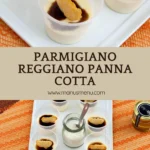
A spoonful of Savoury Parmigiano Reggiano Panna Cotta is silky and rich. Finished with balsamic glaze and crisp cheese hearts, it’s smooth, savoury, and completely spoonable.
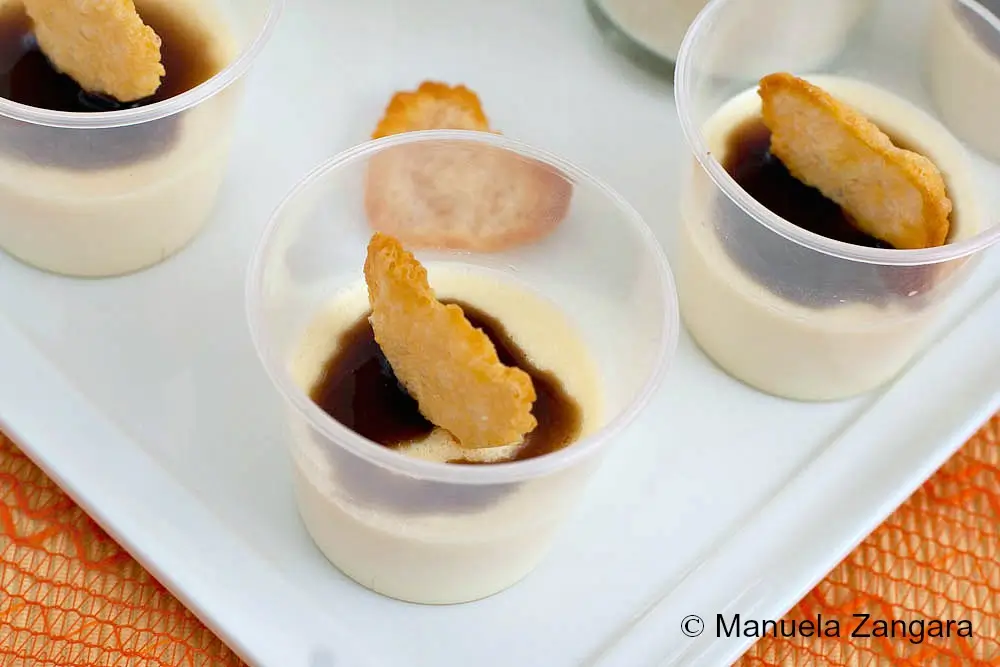
I know, I know. I am sure you are thinking that I must have gone mad. Yes, Parmigiano Reggiano is a cheese, and yes again, panna cotta is usually a dessert. But hear me out. What is panna cotta made of? Basically, cream, to which we add flavours, milk, gelatine, and sugar.
If you take the sugar out of the equation, you can easily make a savoury panna cotta. The same silky consistency, the same shine, just a completely different taste.
With that in mind, you could use various cheeses and experiment, but I want to show you how to make a classic savoury cheese panna cotta using the King of Italian cheeses, Parmigiano Reggiano.
They make a fantastic appetiser or buffet dish and feel very classy, especially when served in shot glasses. It is quite rich, so avoid large portions. You can always go back for a second serving.
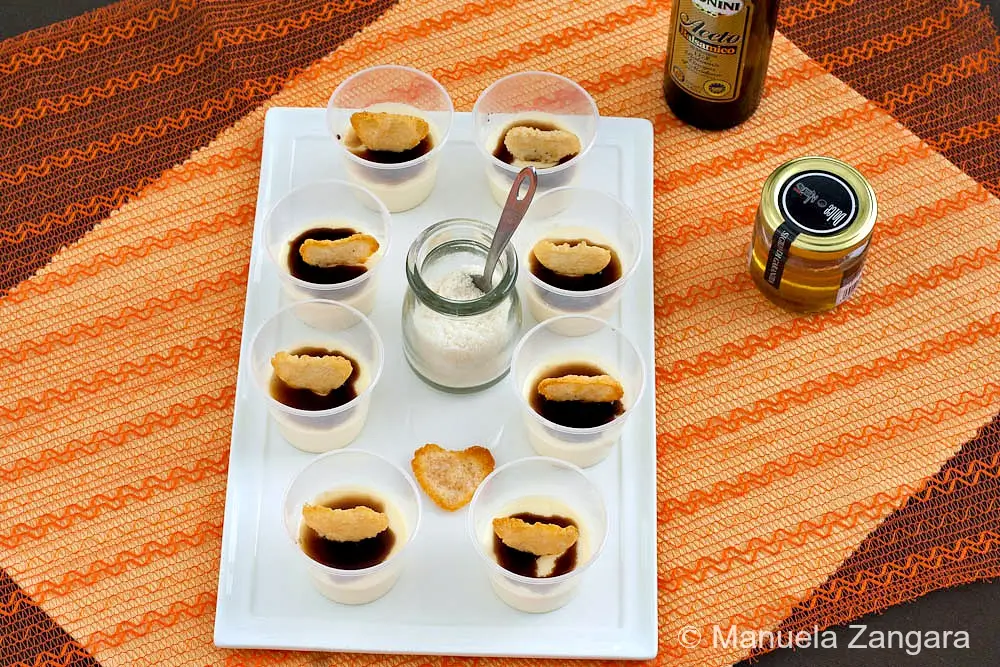
I like to top these with balsamic glaze and little Parmigiano Reggiano hearts for decoration. Enjoy!
Why We Love Savoury Panna Cotta
- Individual servings make hosting easier because everything is already portioned.
- You can make it the day before and let it chill quietly in the fridge until you need it.
- A drizzle of balsamic on top adds a sweet, tangy contrast that makes the panna cotta even better.
Key Ingredients for Savoury Cheese Panna Cotta
Parmigiano Reggiano
Choose a wedge labelled Parmigiano Reggiano DOP and grate it yourself. Pre-grated versions don’t melt as smoothly and can leave a slightly gritty finish. A well-aged piece melts into the warm cream and milk and gives a clean, savoury flavour.
Heavy Cream
Full-fat cream gives the panna cotta its silky, spoonable texture. Look for cream with at least 35% fat so it sets softly once chilled instead of turning stiff.
Whole Milk
Milk keeps the mixture from feeling too thick on the palate. Full-fat milk gives better body and flavour. Semi-skimmed works if needed, but the final texture will feel a little lighter.
Balsamic Vinegar
Balsamic adds acidity with a gentle sweetness, which cuts through the richness of the cream and cheese. A good quality balsamic vinegar of Modena gives a rounder, more balanced finish than basic cooking vinegar.
Find the complete list with measurements in the recipe card below.
How to Make Parmigiano Reggiano Panna Cotta
For the Panna Cotta
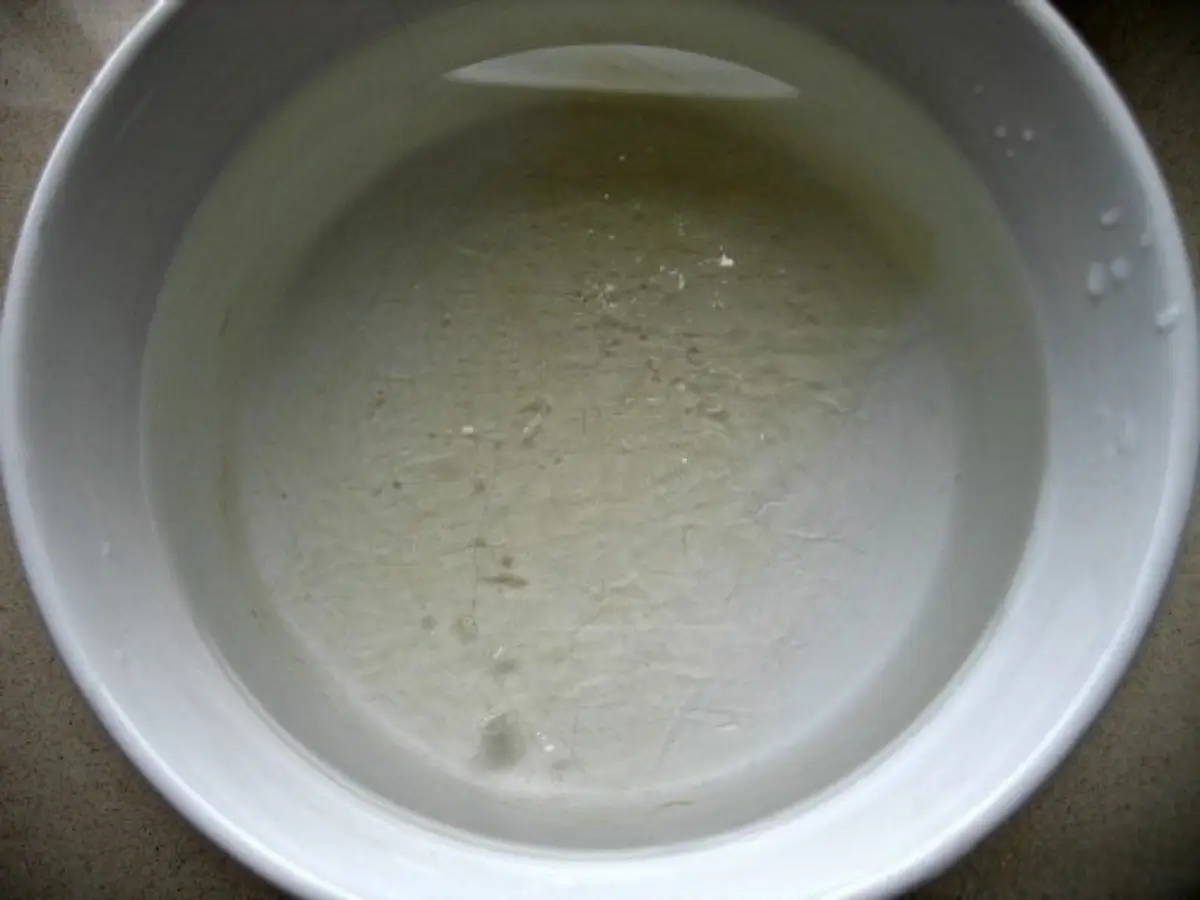
Step 1: Put the gelatine sheets in cold water and leave them to soak for 10 minutes.
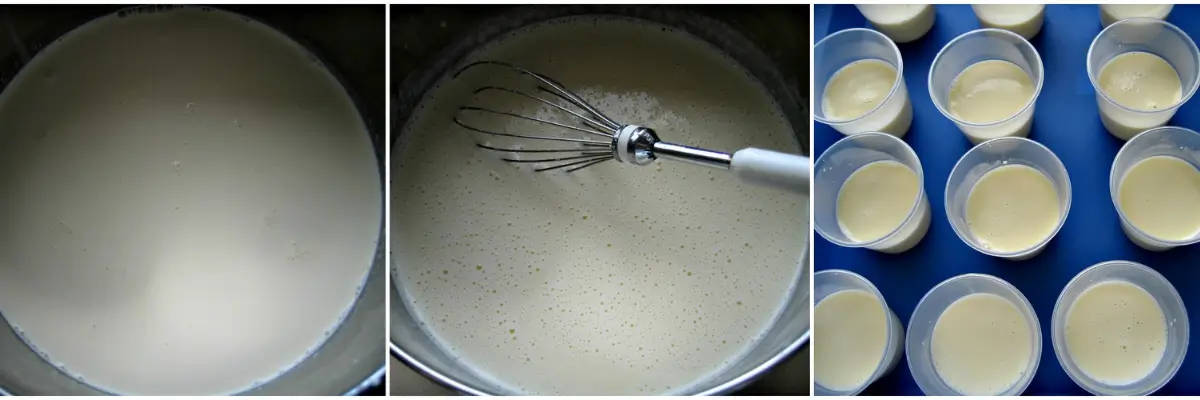
Step 2: In the meantime, put the milk, cream, and grated Parmigiano Reggiano in a pot and heat over medium heat, stirring gently until the cheese has completely melted.
Step 3: Squeeze the excess water from the gelatine sheets, add them to the hot cream and Parmigiano Reggiano mixture, and stir well until fully dissolved.
Step 4: Pour the mixture into shooters (or moulds) and refrigerate for at least 4 hours, or overnight, until set.
For the Balsamic Glaze
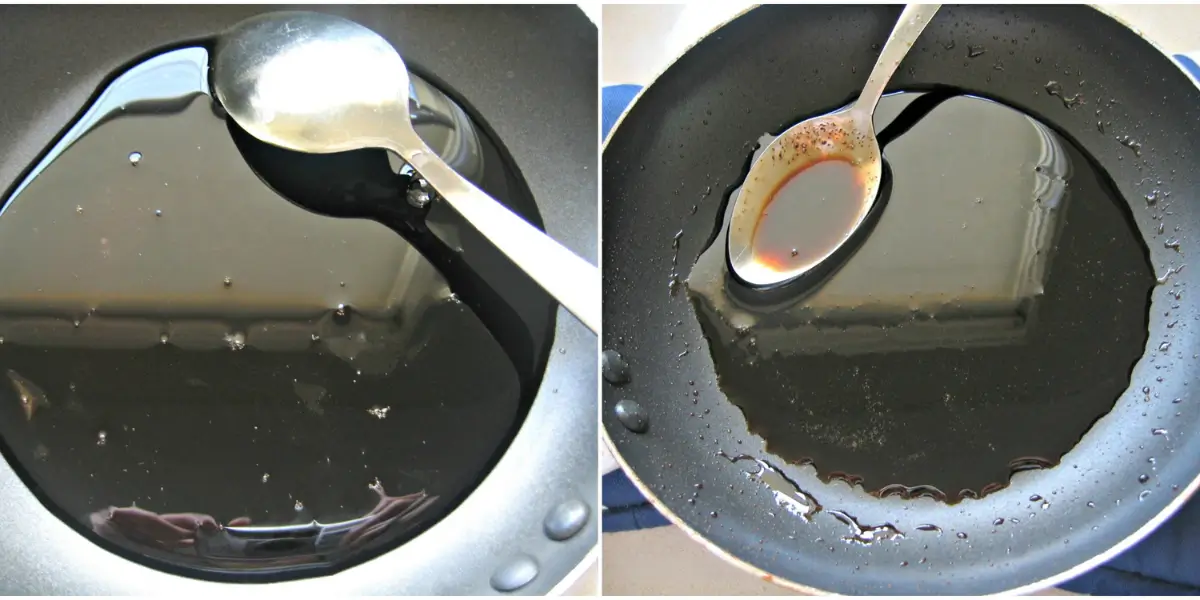
Step 1: Combine the balsamic vinegar and honey in a saucepan and place it over medium heat.
Step 2: Stir and bring to a boil. Let it simmer for a few minutes, or until the glaze thickens and reaches a syrup-like consistency.
For the Parmigiano Hearts
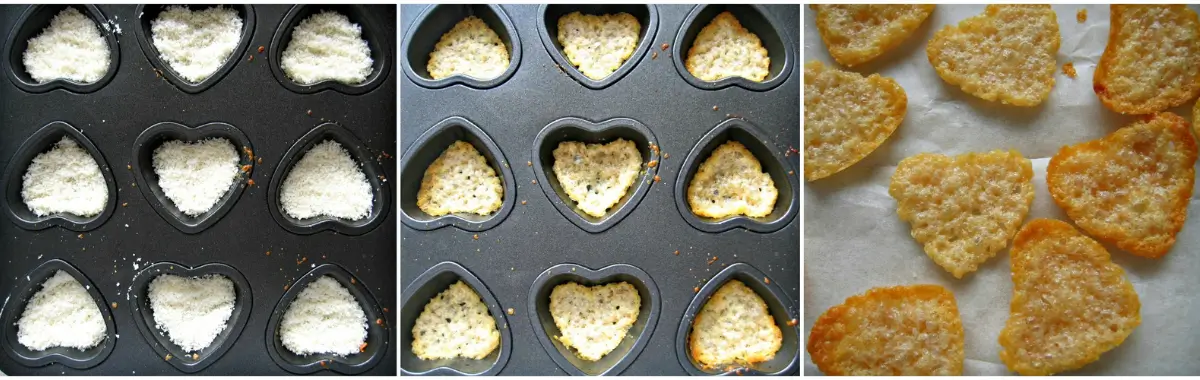
Step 1: Use any mould shape you like. A heart-shaped mini muffin tray works well for making hearts.
Step 2: Add enough grated Parmigiano Reggiano to completely cover the base of each mould. Bake for a few minutes, until the cheese melts and begins to bubble. Watch carefully to prevent over-browning, as it can turn bitter.
Step 3: Remove from the oven when lightly golden and allow to cool completely before unmoulding. Once cool, the hearts will harden.
To Assemble
Step 1: Top each panna cotta with some balsamic glaze and a Parmigiano heart. Serve chilled or at room temperature.
Frequently Asked Questions
Yes. Use 3 teaspoons of powdered gelatine and bloom it in cold water according to the packet instructions before adding it to the hot cream mixture. Make sure it dissolves fully so the set remains smooth.
While Parmigiano Reggiano cheese is traditional, you can substitute other hard, aged cheeses, such as Pecorino Romano for a saltier finish or a high-quality Grana Padano for a slightly milder flavour.
Use the correct amount of gelatine and make sure it dissolves fully in the warm cream mixture. Allow the panna cotta to chill undisturbed for at least 4 hours so it firms up evenly.
Yes, a spoonful of glaze or a few crisp shards of Parmigiano work well. Add just enough to highlight the savoury cream.
Extra Help from the Kitchen
Warm the Moulds Slightly Before Unmoulding – If serving unmoulded, dip the base of the mould briefly in warm water for 5–8 seconds only. Longer exposure can soften the edges and affect the clean shape.
Taste Before Adding Gelatine – Once the cheese has melted into the cream and milk, taste the mixture before adding gelatine. Adjust salt only if needed, as Parmigiano varies in saltiness depending on ageing.
Skim Any Foam from the Surface – After stirring the mixture, small bubbles can rise to the top. Skimming them before pouring gives a smoother, more polished finish once set.
Pour from a Jug for Cleaner Edges – Transfer the hot mixture into a jug before filling the glasses. This helps avoid drips on the sides and keeps the presentation neat.
Let the Glaze Cool Fully Before Spooning – Warm glaze can soften the surface of the panna cotta. Allow it to cool to room temperature so it sits neatly on top instead of blending into the cream layer.
Variations and Twists
Add Fresh Ground Black Pepper and Herbs – Add cracked pepper and basil or thyme to the warm dairy before the gelatine. It gives subtle heat and herbal aroma.
Infuse with Fresh Basil and Lemon Zest – Steep basil leaves and lemon zest in the warm cream mixture, then strain before setting. Lemon adds light acidity, and basil leaves a delicate herbal aroma in the dairy.
Serve with Roasted Cherry Tomatoes and Basil – Swap the glaze for roasted cherry tomatoes dressed in olive oil and fresh basil. The tomatoes bring sweetness and acidity that lighten the creamy base.
Include Walnuts and Fresh Rosemary – Fold in finely chopped toasted walnuts and a small sprinkle of rosemary once the cheese has melted and before adding the gelatine. Toasting the nuts deepens their flavour, and rosemary adds a savoury, slightly piney aroma.
Pair with Prosciutto and Aged Balsamic Drizzle – Serve the chilled panna cotta with thin slices of prosciutto and a drizzle of aged balsamic. The cured meat brings salt and richness, while the syrupy vinegar adds depth and gentle sharpness.
Storage and Shelf Life
Store the Parmigiano Reggiano Panna Cotta covered in the refrigerator for up to 4 days. Keep it in the glasses or moulds wrapped tightly with plastic wrap or sealed in an airtight container. This prevents the surface from drying out or absorbing fridge odours.
I don’t recommend freezing, as gelatine-based desserts tend to release liquid once thawed, and the texture becomes grainy and less smooth.
Serve chilled, or allow it to sit at room temperature for 10–15 minutes before serving if you prefer a slightly softer consistency.
Panna Cotta Flavours to Make at Home
Savoury Parmigiano Reggiano Panna Cotta Recipe
A spoonful of Savoury Parmigiano Reggiano Panna Cotta is silky and rich. Finished with balsamic glaze and crisp cheese hearts, it’s smooth, savoury, and completely spoonable.
Ingredients
Panna Cotta
- 300 ml – 10 oz heavy cream
- 300 ml – 10 oz whole milk
- 200 g – 7 oz Parmigiano Reggiano – finely grated
- 5 sheets gelatine – 10 g – 0.35 oz or 3 tsp gelatine powder
Balsamic Glaze
- 50 ml – 1.75 oz balsamic vinegar
- 30 ml – 1 oz honey
Parmigiano Hearts
- 100 g – 3.5 oz Parmigiano Reggiano – finely grated
Instructions
For the Panna Cotta
-
Put the gelatine sheets in cold water and leave them to soak for 10 minutes.
-
In the meantime, put the milk, cream, and grated Parmigiano Reggiano in a pot and heat over medium heat, stirring gently until the cheese has completely melted.
-
Squeeze the excess water from the gelatine sheets, add them to the hot cream and Parmigiano Reggiano mixture, and stir well until fully dissolved.
-
Pour the mixture into shooters (or moulds) and refrigerate for at least 4 hours, or overnight, until set.
For the Balsamic Glaze
-
Combine the balsamic vinegar and honey in a saucepan and place it over medium heat.
-
Stir and bring to a boil. Let it simmer for a few minutes, or until the glaze thickens and reaches a syrup-like consistency.
For the Parmigiano Hearts
-
Use any mould shape you like. A heart-shaped mini muffin tray works well for making hearts.
-
Add enough grated Parmigiano Reggiano to completely cover the base of each mould. Bake for a few minutes, until the cheese melts and begins to bubble. Watch carefully to prevent over-browning, as it can turn bitter.
-
Remove from the oven when lightly golden and allow to cool completely before unmoulding. Once cool, the hearts will harden.
To Assemble
-
Top each panna cotta with some balsamic glaze and a Parmigiano heart. Serve chilled or at room temperature.

Love travelling as much as cooking?
Many of the recipes I share are inspired by places I’ve visited around the world. On Travel with Manu you’ll find destination guides, itineraries and travel inspiration to help you plan your next adventure.










Hi Manu,
How do you use powdered gelatine instead of gelatine sheets for this recipe?
Maria
I think you are just walking the line between craziness and genius! This definitely fall and the right side of the line 😉
I guess there is no reason why it wouldn’t work but might not be quite the sweet one would be expecting.
If you ask me, this is absolute genius. I’m not big on desserts (although I do like panna cotta) so I’d love to try this.
Brilliant ideas all the way round! Love the idea of an elegant savory panna cotta to surprise guests with and never thought of using a muffin tray to give your parmigiano rounds a perfect shape.
I’ve seen these before and they are delicious. Love the idea of the Parmesan crisps and the balsamic glaze!