

Sweet, glazed, and perfect with a cup of tea, Italian Easter Taralli bring a simple, homemade feel with their light texture and delicate icing on top.

There are many different recipes for Easter Taralli, a traditional biscuit typical of Southern Italy. I’ve chosen a version that requires you to first boil and then bake the cookies, similar to pretzels.
This method gives the taralli a very distinctive texture, soft on the inside and crisp on the outside.

This recipe uses Tutone, a Sicilian anise-flavoured liqueur. If you can’t find it, any anise liqueur works as a substitute.
Easter in the Northern Hemisphere falls in spring, and Italian Easter dishes are often colourful, just like the sprinkles on top of these taralli.
Make sure to check the video for this recipe. Even though it’s quite straightforward, some steps may seem a bit tricky at first.
What’s on your menu this Easter?
What Are Easter Taralli?
Easter taralli are traditional Italian sweet biscuits made for Easter. “Taralli” is the plural, while “tarallo” refers to a single piece.
They’re shaped into small rings, baked until lightly golden brown, then finished with a simple white glaze and sprinkles. The texture is slightly firm on the outside with a softer centre, and the flavour is simple, often with a light hint of lemon or vanilla.
You’ll sometimes see them described as Italian Easter biscuits or glazed Easter cookies, especially outside Italy.

Why We Love Traditional Italian Easter Taralli
- Adds a traditional feel to Easter and still works just as well during Christmas or family gatherings.
- Great when you’re after a homemade treat using simple ingredients and a quick bake.
- You can make a batch ahead of time and not worry about them going bad after a day or two.
Key Ingredients for Italian Easter Taralli
Tutone Sambuca or Ouzo
Anise-flavoured liqueur gives the taralli their traditional flavour. It adds a light aromatic note that defines classic taralli dolci. If Tutone isn’t available, Sambuca or Ouzo work as close alternatives.
All-Purpose Flour
Flour gives the taralli their firm bite and overall structure. It helps create a slightly dense texture that holds its shape well. Use standard plain flour with moderate protein, as very strong flour can make the biscuits too heavy.
Glaze
The glaze adds a light sweetness and a smooth finish to the taralli. It’s made with icing sugar, a small amount of water, and a few drops of lemon juice for balance.
Hundreds and Thousands
These are rainbow sprinkles or nonpareils. They add colour and a light crunch. Use sugar strands or small round sprinkles, depending on your preference.
Find the complete list with measurements in the recipe card below.
How to Make Italian Easter Taralli
For the Taralli
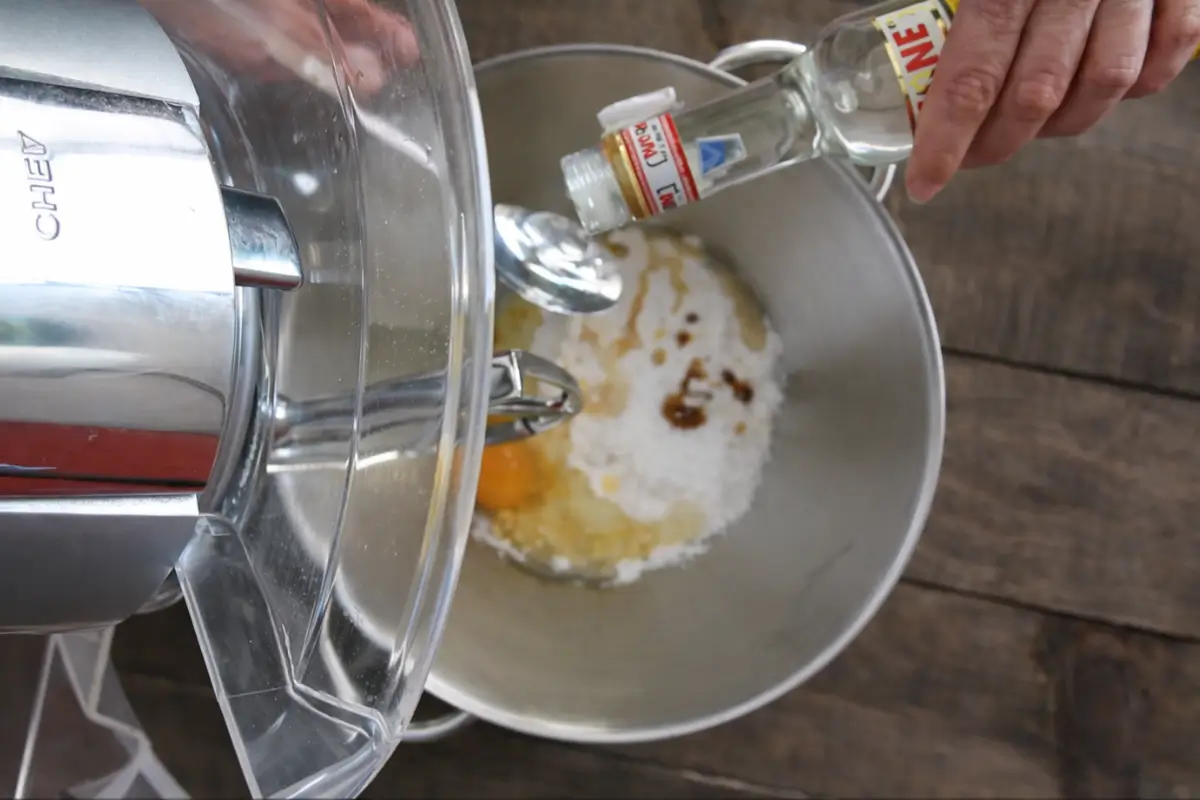
Step 1: In the bowl of an electric mixer fitted with the paddle attachment, combine the flour, egg, vegetable oil, Tutone, sugar, vanilla extract, and baking soda. Mix until a dough forms, then knead until smooth to create the taralli dough.
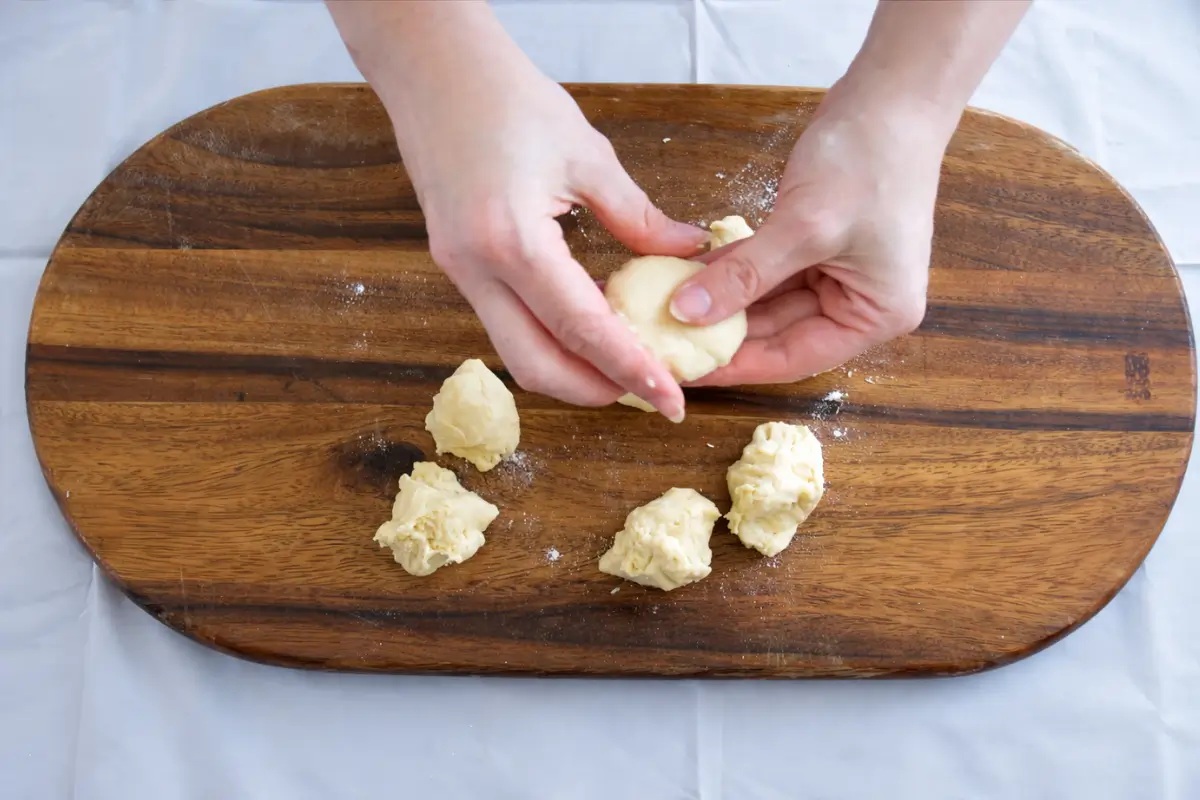
Step 2: Divide the dough into 8 equal pieces and shape each piece into a small patty by flattening it slightly with your hands.
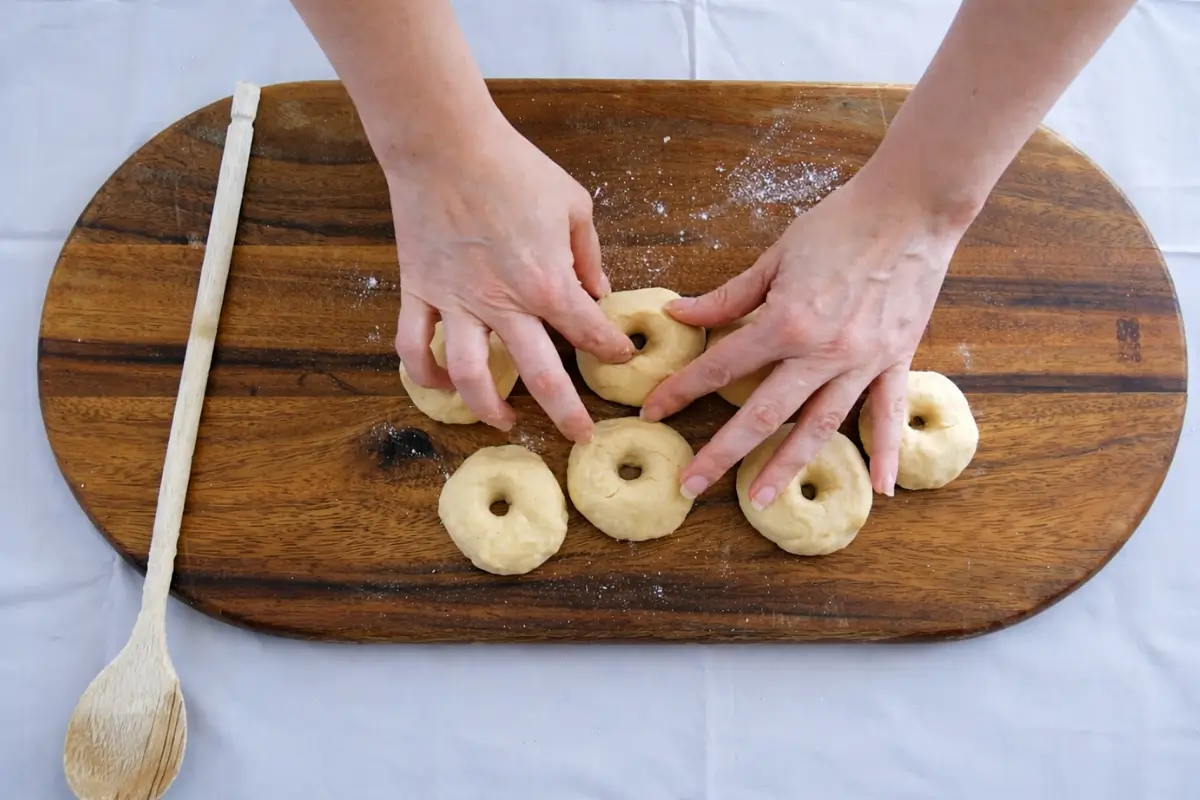
Step 3: Using the end of a wooden spoon, press a hole into the centre of each patty.
Step 4: Fill a large pot with water and add baking soda at a ratio of 1 tablespoon per litre or 4 cups. Bring to a boil.
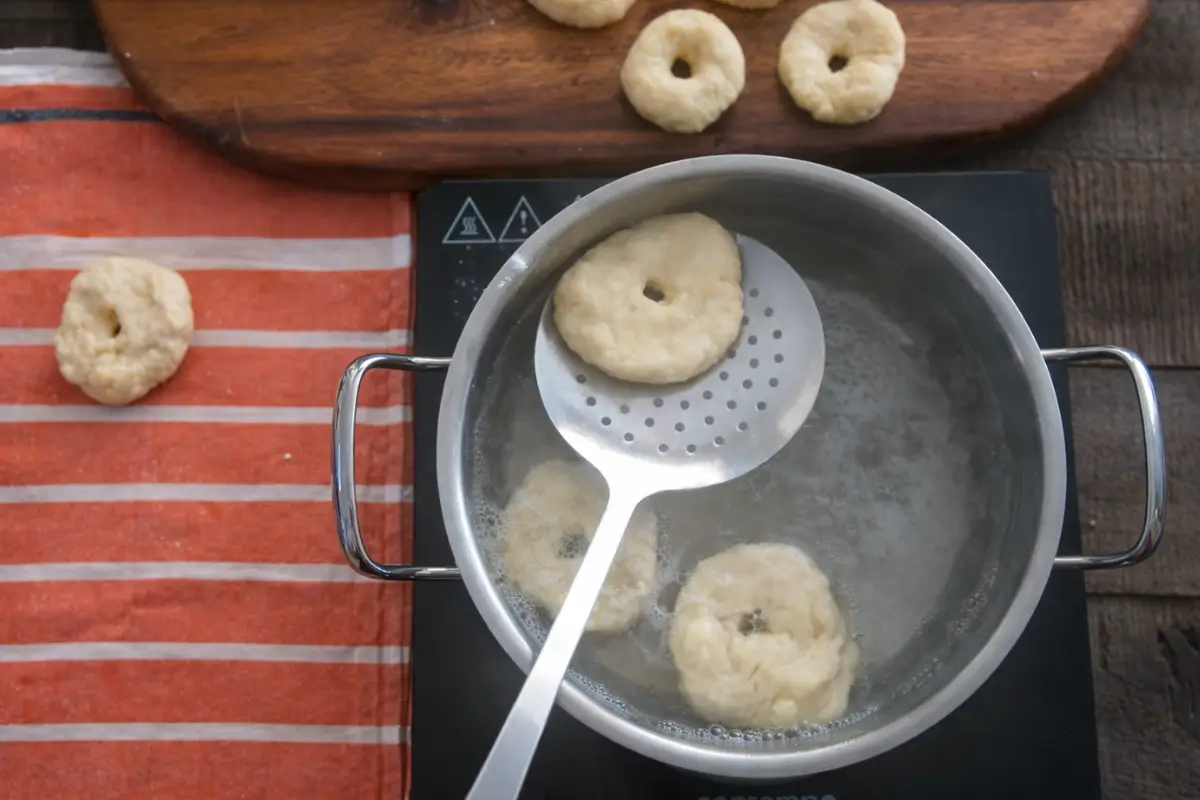
Step 5: Add the taralli to the boiling water and cook for 1 minute. Remove with a slotted spoon and place on a clean tea towel to dry.
Step 6: Using a sharp knife, make a cut along the side of each tarallo without slicing all the way through.
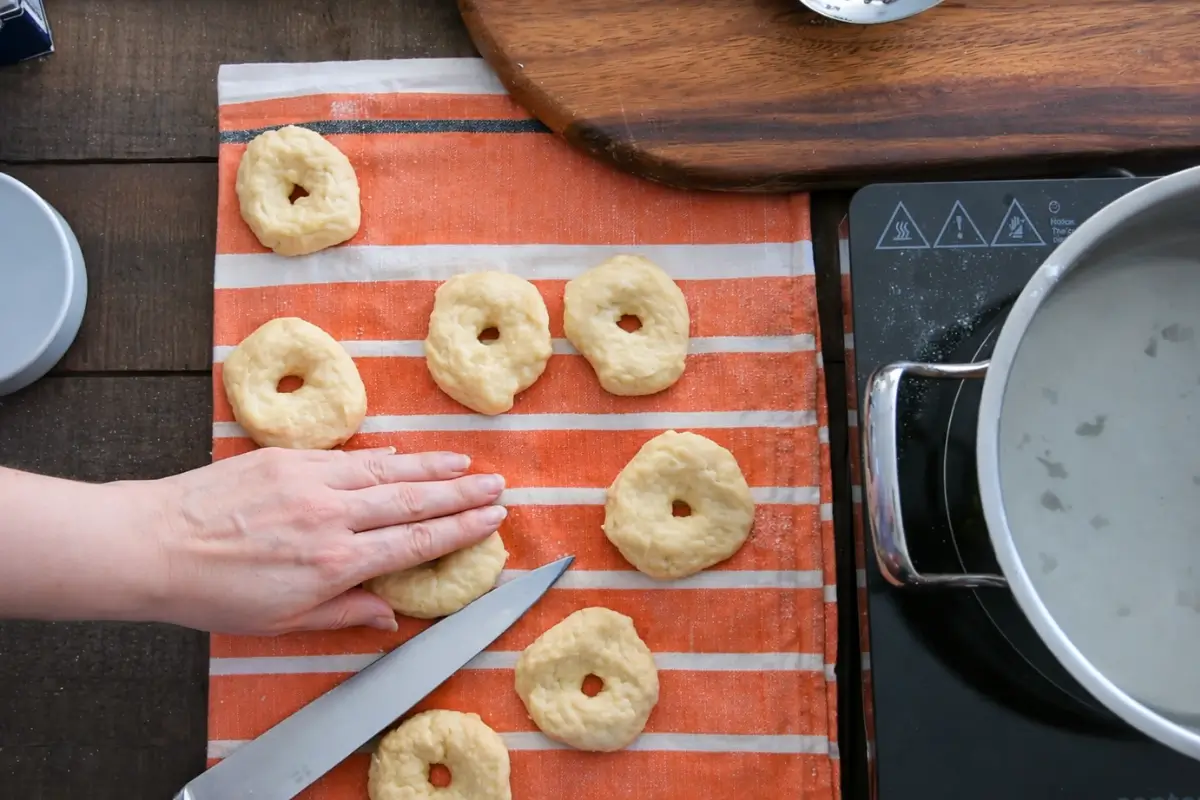
Step 7: Arrange the taralli on a tray lined with baking paper. Bake in a preheated oven at 220°C – 430°F for 10 minutes, then reduce the temperature to 180°C – 355°F and bake for a further 20 minutes. Let them cool completely.
For the Glaze
Step 1: Mix all the glaze ingredients together until smooth and lump-free.
Step 2: Dip each cooled tarallo into the glaze.
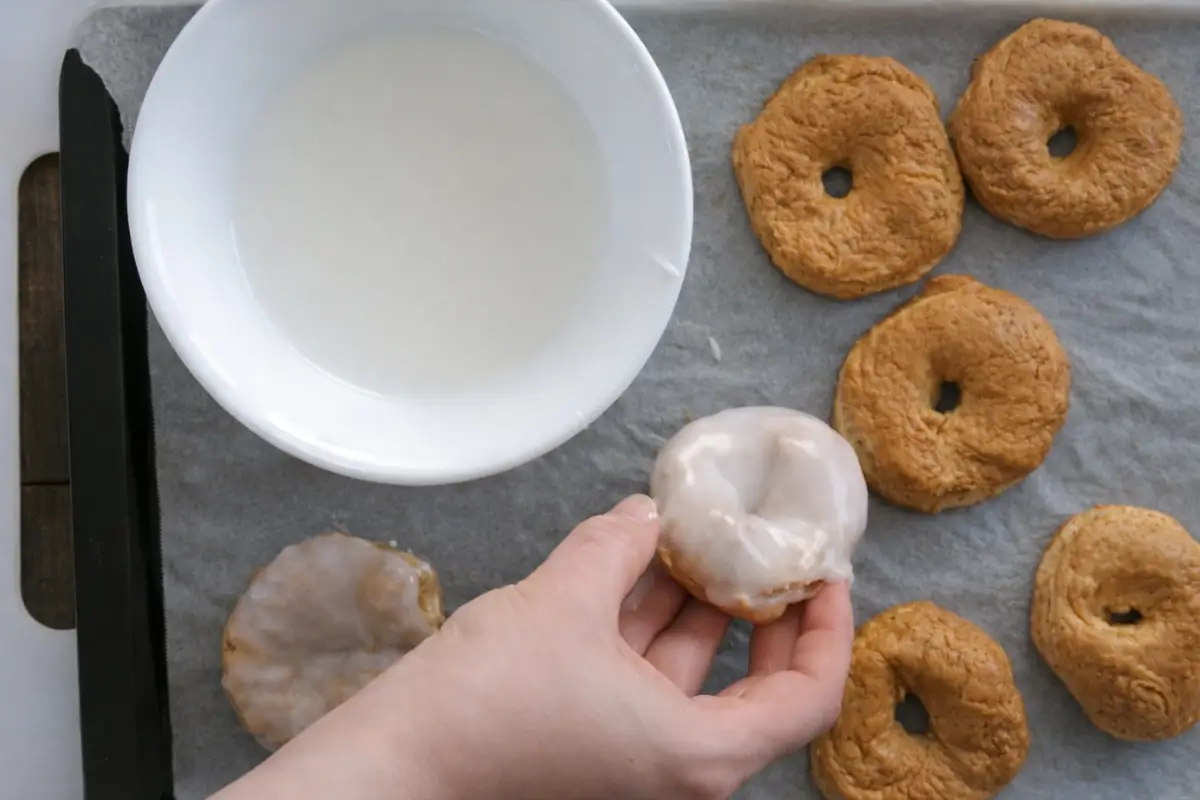
Step 3: Sprinkle with hundreds and thousands.

Frequently Asked Questions
Yes, they can be left plain for a less sweet version. The texture remains the same, but the overall flavour is more subtle.
Sambuca or Ouzo are the closest alternatives as they have a similar anise flavour. If you prefer a milder taste, you can reduce the amount slightly.
If the dough feels sticky, add 1–2 tablespoons of flour and knead briefly until smooth. With damp hands, remove it from the hook, then knead on a lightly floured surface for 30–60 seconds until it’s soft and no longer tacky.
Pure vanilla extract works best for a balanced flavour. Avoid artificial vanilla flavouring, as it can taste slightly sharp once baked. If using vanilla bean paste, use a small amount since it has a stronger flavour and includes seeds.
Extra Help from the Kitchen
Keep the Dough Size Consistent – Try to shape each piece evenly before forming the rings. This helps the taralli cook at the same rate and prevents some from becoming too firm while others stay soft.
Space Them Properly on the Tray – Leave a little room between each tarallo when placing them on the tray. This allows heat to circulate evenly and prevents them from sticking together.
Let the Glaze Set Properly – Place the glazed taralli on a wire rack or parchment paper set over a tray to catch any excess glaze. Let them sit until the glaze sets fully before serving.
Dip Quickly When Glazing – Dip each tarallo briefly rather than leaving it in the glaze. This helps create a thin, even coating instead of a heavy layer.
Keep the Water at a Steady Boil – The water should have active bubbles rising steadily to the surface before adding the taralli. This helps set the outer layer quickly and keeps its shape intact.
Variations and Twists
Add Lemon Zest to the Dough – Add a bit of lemon zest to give a fresher lift and cut through the sweetness of the glaze.
Use Orange Zest Instead – Swap in orange zest for a slightly sweeter citrus note with a rounder, more mellow taste compared to the sharper edge of lemon.
Replace the Liqueur with Almond Extract – This gives a light almond flavour similar to amaretti-style biscuits, with a gentle sweetness that sits well under the glaze.
Include Anise Seeds for More Traditional Flavour – The seeds add a stronger anise taste with small pockets of flavour that release as you bite into the taralli.
Leave Them Plain Without Glaze – Skip the glaze to highlight the biscuit itself and give a drier finish that works better with coffee or tea.
Storage and Shelf Life
Store the taralli in an airtight container at room temperature for up to 1–2 weeks. Keep them in a dry place to maintain the glaze texture.
For longer storage, freeze unglazed taralli in a sealed container for up to 2 months. Thaw at room temperature and glaze before serving. They can be warmed briefly at 160°C – 320°F if you prefer a slightly crisp exterior.
Other Traditional Italian Desserts You Might Like
Italian Easter Taralli Recipe (Sweet Italian Biscuits)
Equipment
Ingredients
Taralli
- 160 grams – 1 ¼ cup all-purpose flour
- 1 egg
- 1 tbsp vegetable oil
- 1 tbsp Tutone Sambuca or Ouzo
- 1 tbsp granulated sugar
- 1 teaspoon vanilla extract
- 1 pinch baking soda – plus extra for boiling the taralli
Glaze
- 100 g – ¾ cup icing sugar
- 2 tablespoons water
- 2 drops lemon juice
- hundreds and thousands (rainbow sprinkles)
Instructions
For the Taralli
- In the bowl of an electric mixer fitted with the paddle attachment, combine the flour, egg, vegetable oil, Tutone, sugar, vanilla extract, and baking soda. Mix until a dough forms, then knead until smooth to create the taralli dough.
- Divide the dough into 8 equal pieces and shape each piece into a small patty by flattening it slightly with your hands.
- Using the end of a wooden spoon, press a hole into the centre of each patty.
- Fill a large pot with water and add baking soda at a ratio of 1 tablespoon per litre or 4 cups. Bring to a boil.
- Add the taralli to the boiling water and cook for 1 minute. Remove with a slotted spoon and place on a clean tea towel to dry.
- Using a sharp knife, make a cut along the side of each tarallo without slicing all the way through.
- Arrange the taralli on a tray lined with baking paper. Bake in a preheated oven at 220°C – 430°F for 10 minutes, then reduce the temperature to 180°C – 355°F and bake for a further 20 minutes. Let them cool completely.
For the Glaze
- Mix all the glaze ingredients together until smooth and lump-free.
- Dip each cooled tarallo into the glaze.
- Sprinkle with hundreds and thousands.
Video
This post may contain affiliate links. If you make a purchase through these links, I may earn a small commission at no extra cost to you.

Love travelling as much as cooking?
Many of the recipes I share are inspired by places I’ve visited around the world. On Travel with Manu you’ll find destination guides, itineraries and travel inspiration to help you plan your next adventure.












Leave a Reply