Saffron-infused rice paired with spiced lamb gives this Mughlai Lamb Biryani its signature aroma and rich, flavour-packed finish.
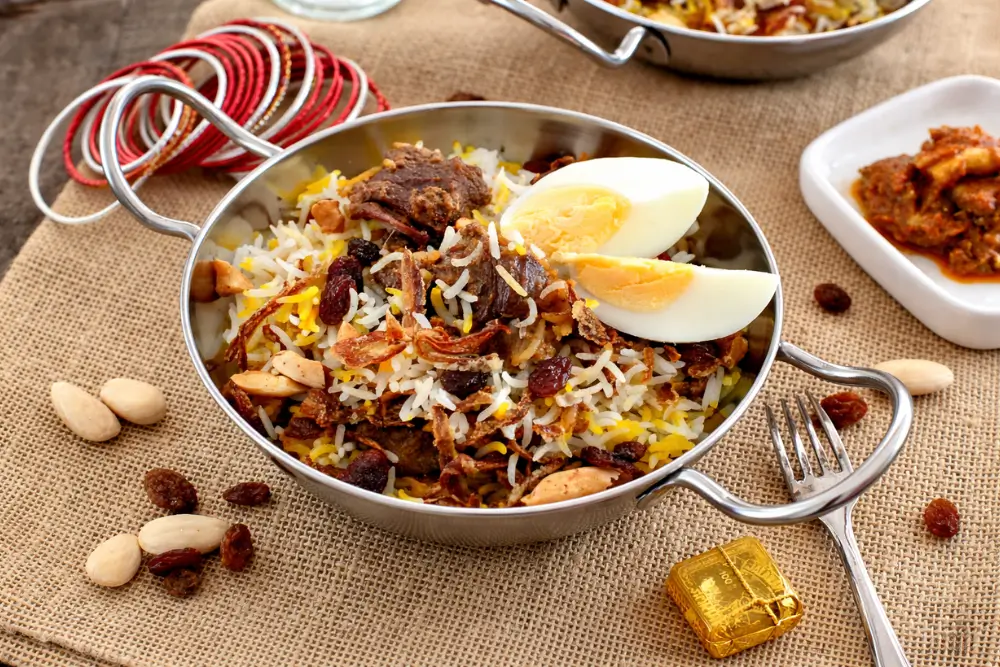
I first made this Mughlai Lamb Biryani while trying different rice dishes beyond my usual Hyderabadi chicken biryani, which became a regular in my kitchen after a cooking challenge where I tested a few regional styles.
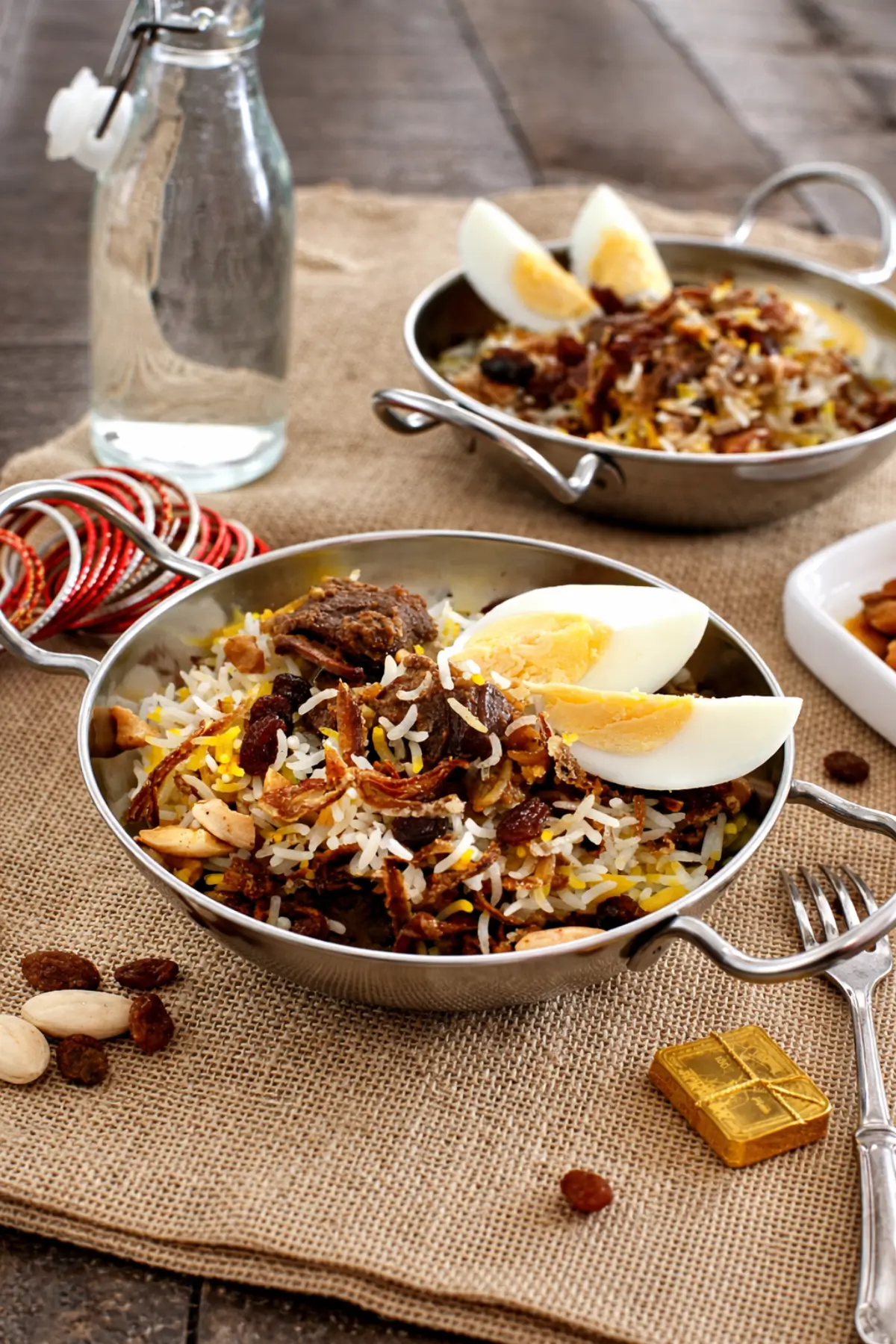
This comes from Madhur Jaffrey’s Indian Cooking book. I always go back to it for traditional recipes that work without much adjustment. Her Mughlai Lamb Biryani stands out because the lamb is cooked first. That makes it easier to manage at home. It also helps with cuts that need longer cooking time.
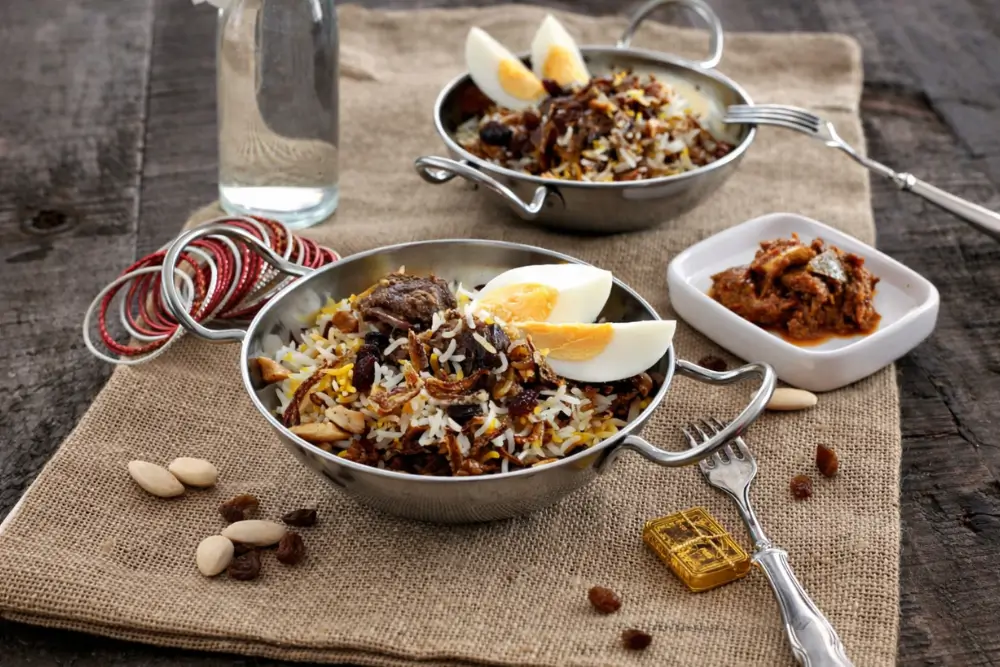
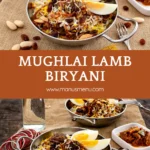
Mughlai lamb biryani is layered with spiced lamb, basmati rice, saffron milk, fried onions, almonds, and sultanas. Everything is finished together in one pot.
You can serve it with a simple raita or plain yoghurt.
What Is Mughlai Lamb Biryani?
Mughlai Lamb Biryani is a layered rice dish made with slow-cooked spiced lamb and basmati rice. It is finished with saffron, fried onions, and dried fruits. It comes from Mughlai-style cooking in Northern India. The focus is on slow cooking and depth from spices rather than sharp heat.
Compared to Hyderabadi biryani, Mughlai biryani feels gentler in spice. Hyderabadi versions usually have more chilli warmth. They also use more fresh herbs like coriander and mint. This gives a brighter finish to the dish.
The cooking method is also different. Hyderabadi biryani is often made using the kacchi method. This is where raw meat and rice cook together in one pot. With lamb, this can be harder to manage. The meat needs a longer cooking time to soften properly.
In Mughlai biryani, the lamb is cooked first. It is then layered with rice for the final stage. This keeps the dish more controlled and balanced.
Why We Love Lamb Biryani
- Makes good use of pantry staples alongside fresh ingredients without needing anything hard to find.
- Practical for busy days since most of the work is done in stages and finishes in one pot.
- Freezer-friendly, easy to portion and save for days you don’t feel like cooking from scratch.
Key Ingredients for Mughlai Lamb Biryani
Lamb
Lamb gives the dish its rich, savoury depth and strong meat flavour. Shoulder or leg cuts work best because they stay tender while still holding their shape. Bone-in pieces add extra richness to the overall taste.
Basmati Rice
Basmati rice stays light and separate after cooking. It gives a soft, fluffy texture that balances the richness of the lamb and spices.
Yoghurt
Adds a mild tang and softens the lamb. It gives the dish a smooth, rounded flavour and helps bring the spices together with the meat.
Saffron
Saffron gives a gentle floral aroma and a warm golden colour to the rice. It adds a light fragrance that lifts the richness of the dish.
Onions
Onions add natural sweetness and a soft savoury depth. When fried, they bring a deeper caramel note and a light crisp texture that contrasts with the rice.
Garlic and Ginger
Garlic and ginger add warmth and a slight sharpness. They deepen the savoury taste of the lamb and give the dish more intensity.
Ground and Whole Spices
Clove, cardamom, cinnamon, cumin, coriander, nutmeg, black pepper, chilli, and other warm spices give layered depth and warmth.
Find the complete list with measurements in the recipe card below.
How to Make Mughlai Lamb Biryani
Prepare the Rice and Saffron
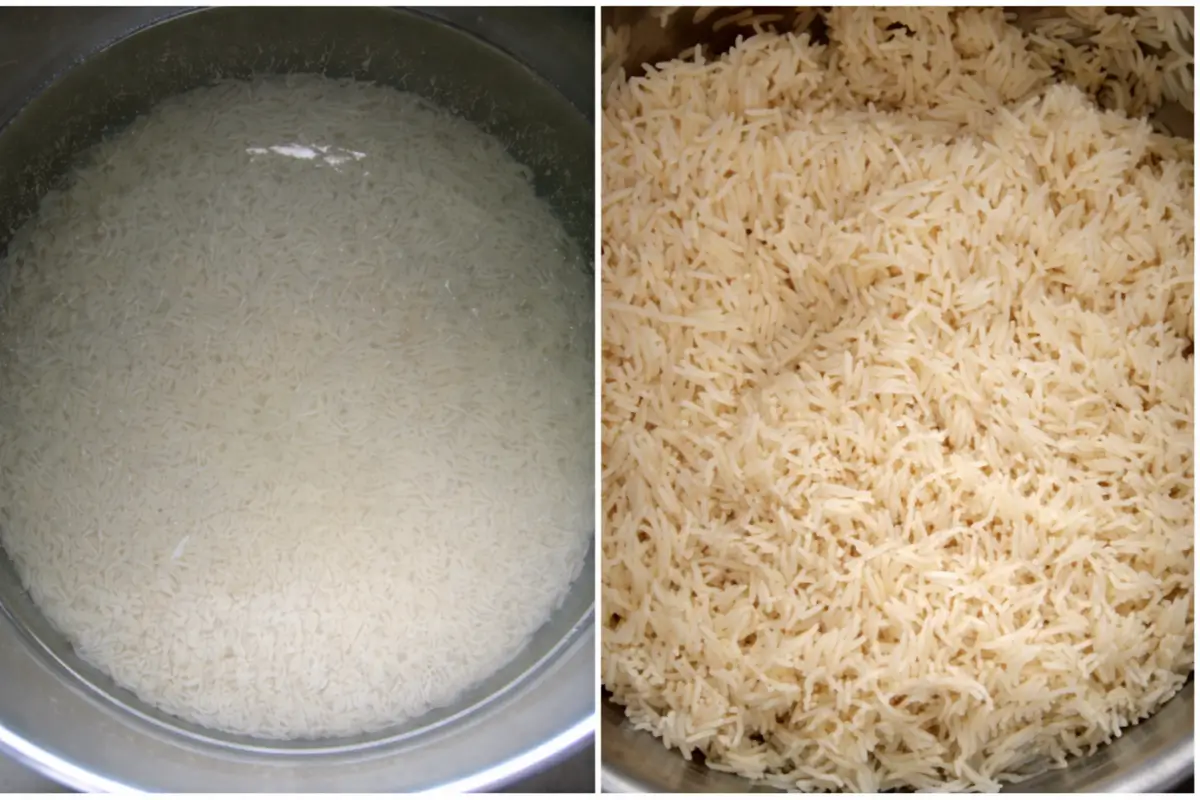
Step 1: Wash the rice in several changes of water until the water runs clear. Drain it well, place it in a large bowl, add 2 litres – 3 ½ pints of water and 1 tbsp of salt, mix, and leave it to soak overnight.
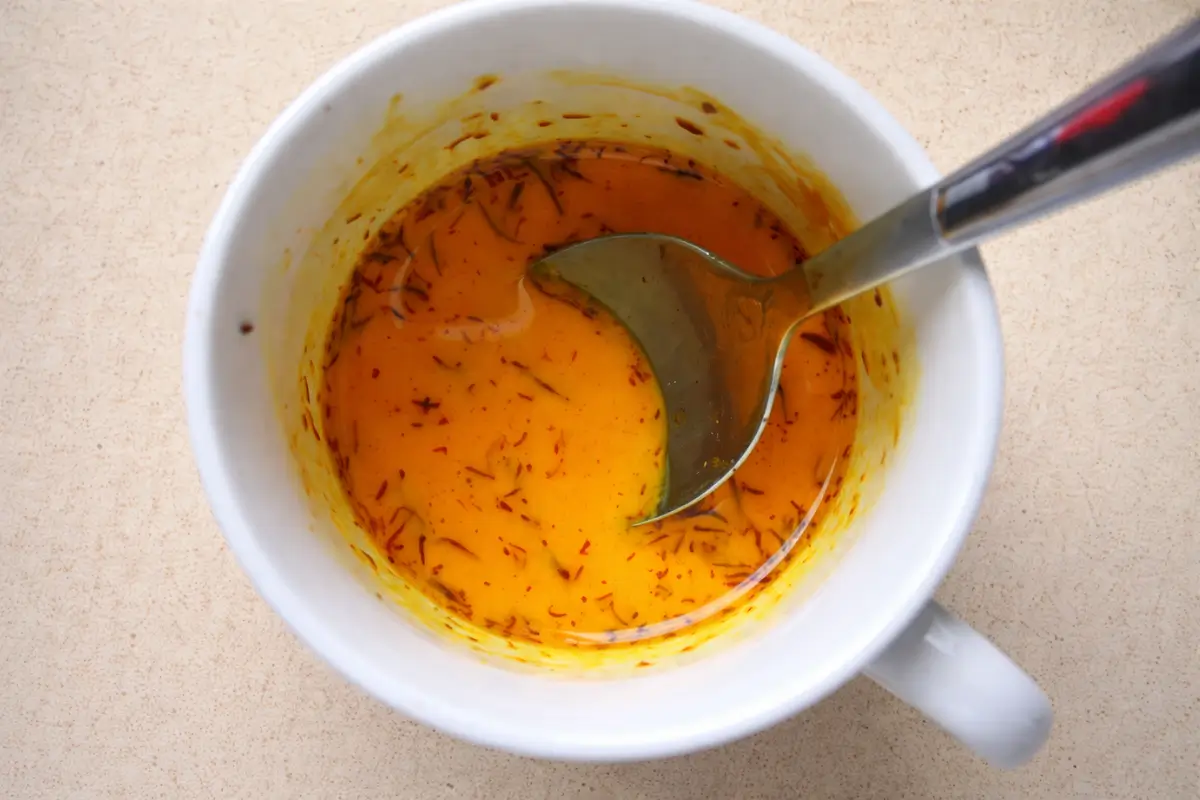
Step 2: Put the saffron threads in a small heavy frying pan over medium heat and toss them until they turn a few shades darker. Place the warm milk in a small cup, crumble the saffron into it, and leave it to soak for 3 hours.
Prepare the Base
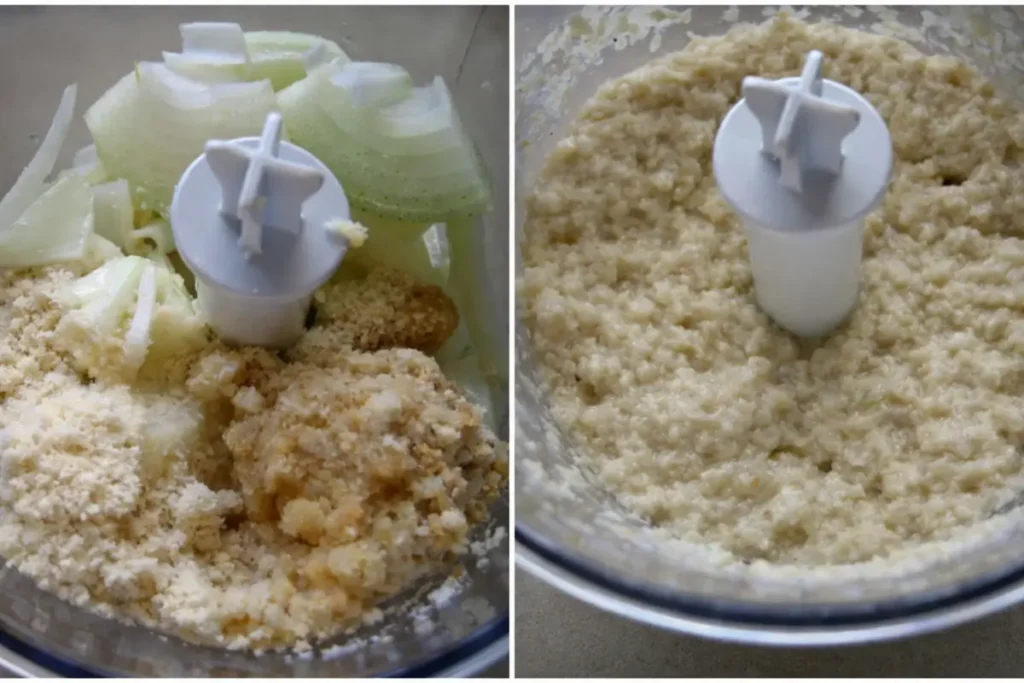
Step 1: Roughly chop 1 onion, then place it in a blender with the garlic, ginger, almond meal, and 3 tbsp of water. Blend until a paste forms.
Step 2: Cut the remaining 2 onions in half, then slice them into fine half rings. Heat 6 tbsp of oil in a frying pan over medium-high heat. When hot, add the sliced onions and fry, stirring, until brown and crisp. Remove them with a slotted spoon and spread them out on a plate lined with kitchen paper.
Note: You can skip this step and use ready-made fried onions instead.
Step 3: Add the sultanas to the same oil and remove them as soon as they turn plump. Spread them out on a plate lined with kitchen paper.
Step 4: Add the 2 tbsp of almonds to the same oil and fry them until golden brown in colour. Remove with a slotted spoon and spread them out beside the sultanas. Set aside for garnish.
Cook the Meat
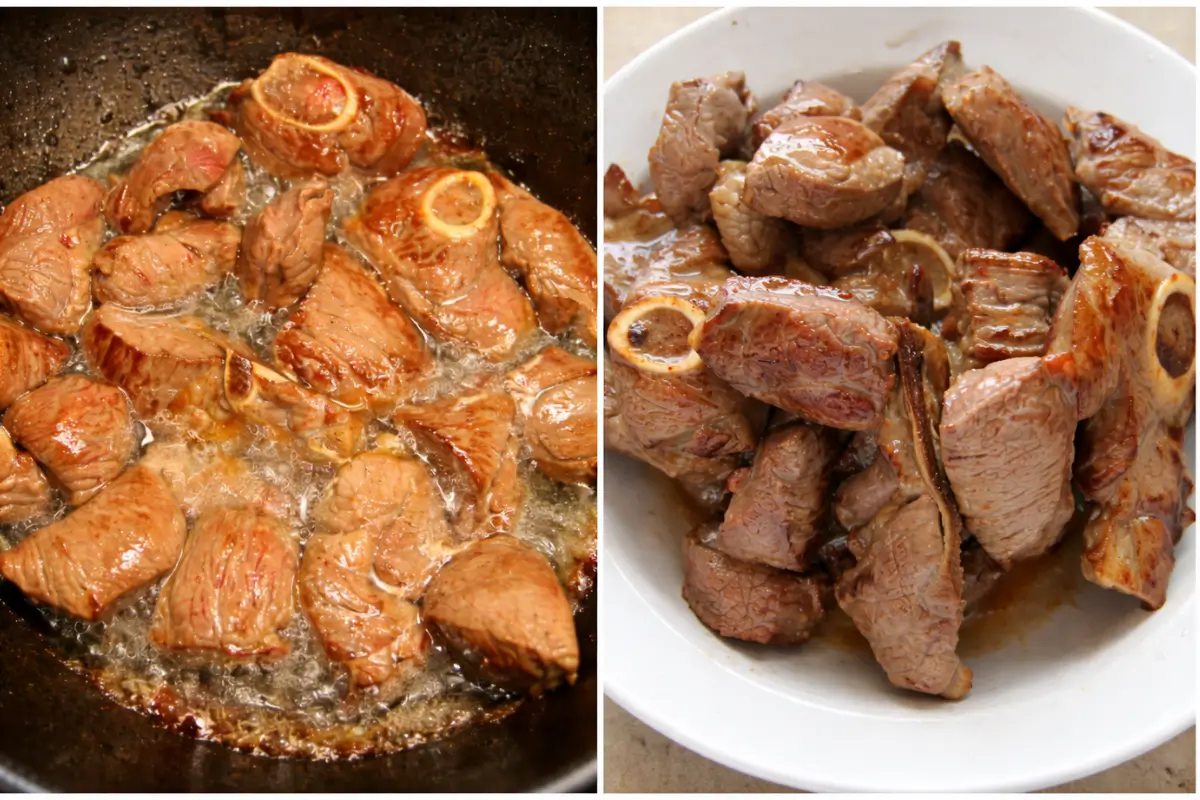
Step 1: Brown the meat in the same oil on all sides, working in batches to let it fry properly and not braise. Remove it from the pan and set aside.
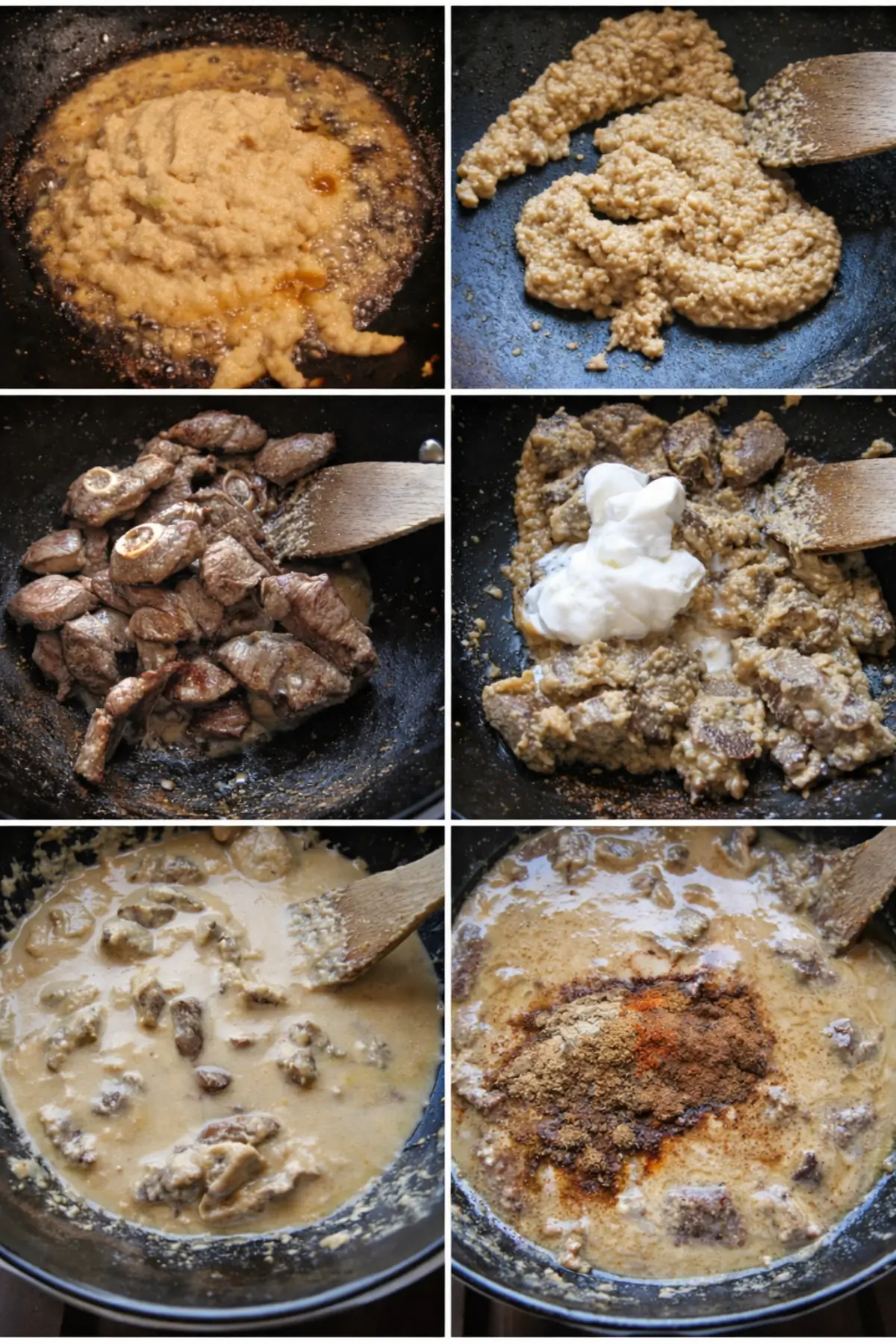
Step 2: Add the remaining 7 tbsp of oil to the pan and reduce the heat to medium. When hot, add the onion, garlic, ginger, and almond paste. Cook, stirring constantly, until the paste turns a medium-brown colour.
Step 3: Return the meat along with any accumulated juices to the pan. Add the yoghurt 1 tbsp at a time, stirring well between each addition. Add 1 ¼ tbsp of salt and 150 ml – 5 oz. of water. Mix well. Bring to a simmer, cover, and cook on low heat for 30 minutes.
Step 4: While the meat cooks, mix together the clove, pepper, cardamom, cumin, cinnamon, cayenne pepper, and nutmeg powders.
Step 5: After 30 minutes, add the spice mixture to the meat and mix well. Cover again and continue to cook on low heat for another 30 minutes.
Step 6: Remove the lid and increase the heat to medium. Cook, stirring constantly, until about 200 ml – 7 oz. of thick sauce remains at the bottom of the pan. Turn off the heat and skim off any excess grease. The meat should be tender and fully cooked at this stage.
Assemble and Cook the Biryani
Step 1: Spread the meat and sauce at the bottom of a heavy casserole dish. Cover and keep warm.
Step 2: Preheat the oven to 150°C – 300°F.
Step 3: Bring 3.6 litres – 6 pints of water to a rolling boil in a large pan. Add 1 ½ tbsp of salt. Drain the rice and rinse it under running water. Scatter the rice into the boiling water, return to the boil, and cook for exactly 5 minutes. Drain well.
Step 4: Work quickly and pile the rice over the meat in the shape of a hill. Using a chopstick or the handle of a long spoon, make a 2.5 cm – 1 inch hole going down like a well from the peak of the rice hill to its bottom.
Step 5: Pour the saffron milk in thin streaks along the sides of the rice. Place the butter pieces over the surface and scatter the fried onions on top.
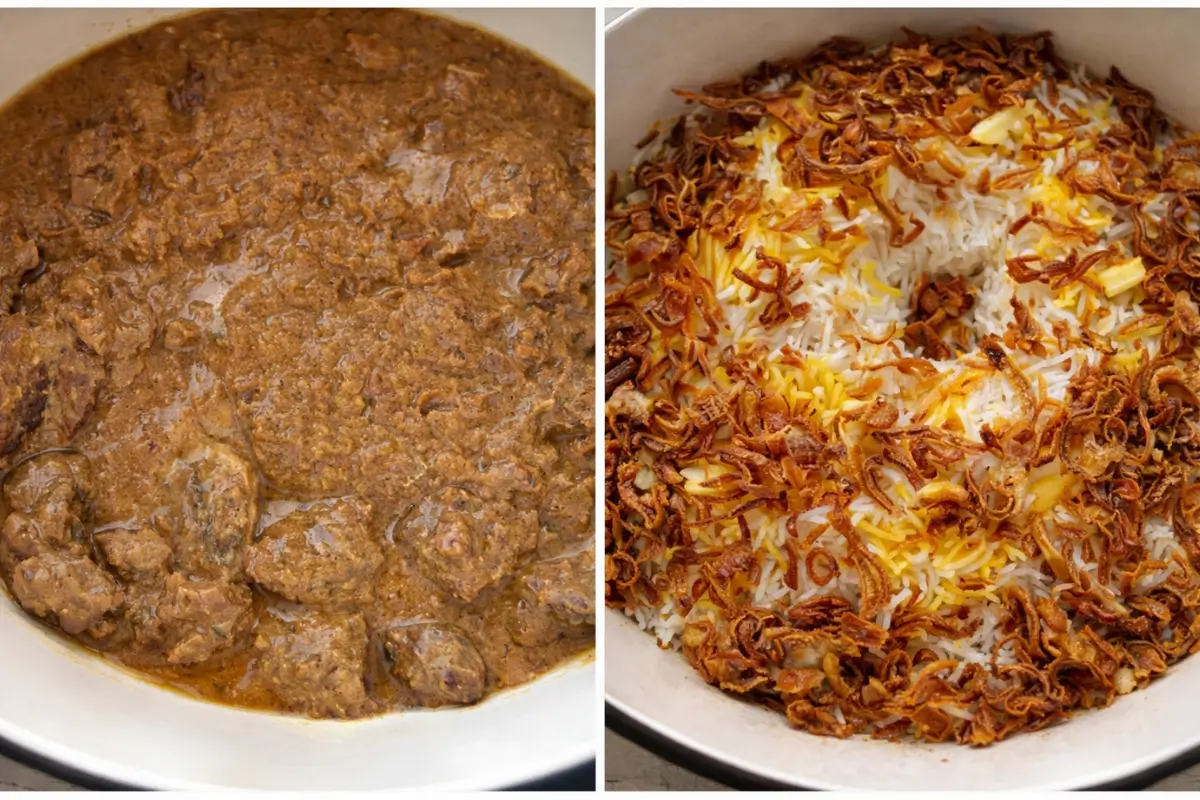
Step 6: Cover first with aluminium foil, sealing the edges well, then place a lid on top. Bake for 1 hour. Remove from the oven.
Step 7: Just before serving, quarter the eggs and gently mix the rice and meat together.
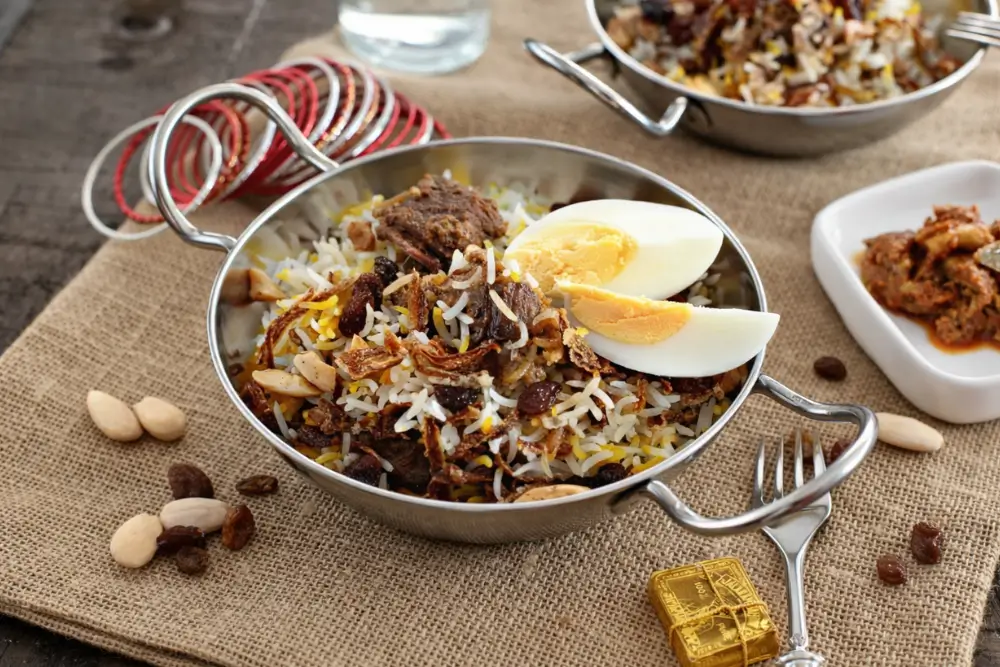
Step 8: Serve the biryani on a warmed platter, garnished with the eggs, sultanas, and almonds.
Frequently Asked Questions
Yes, soaking overnight is helpful but not required. If you’re short on time, soak it for at least 30 minutes, but expect slightly less separation in the final rice.
Shoulder and leg cuts work best because they become tender without breaking apart. Avoid lean cuts, as they can turn dry during the longer cooking time.
Yes, you can finish it on the stovetop using very low heat and a tightly covered pot. Placing a flat pan or heat diffuser underneath helps prevent the base from catching.
Cook the rice until it still has a slight bite before layering, then drain it well. Starting with firmer grains helps them stay separate and prevents them from turning soft or sticky during the final cooking stage.
Extra Help from the Kitchen
Avoid Pressing the Rice Down – Keep the rice loosely piled when layering. Pressing it down causes the grains to clump and lose their shape.
Let the Biryani Rest Before Mixing – Leave it covered for a few minutes after cooking. This allows the layers to settle before combining.
Use a Heavy-Bottomed Pot – Choose a pot with a thick base to prevent the lamb from catching during the final covered cooking stage.
Mix Gently When Serving – Use a wide spoon and lift from the bottom upwards. This keeps the rice intact while combining it with the lamb.
Variations and Twists
Add Fresh Herbs to the Rice – Sprinkle chopped coriander and mint leaves over the rice layers to bring a fresher note at the end, closer to what you find in Hyderabadi-style biryani.
Chicken Mughlai Biryani – Swap the lamb for bone-in chicken and shorten the cooking time. Since chicken cooks faster, reduce the final covered cooking stage slightly to keep the meat tender while the rice finishes.
Cashew Mughlai Biryani – Use cashews in place of almonds, or combine both. Cashews bring a softer texture and a slightly richer taste alongside the saffron and yoghurt.
Swap Raisins with Sultanas – Replace raisins with sultanas for a softer texture and a slightly lighter sweetness that blends more smoothly with the rice and spices.
Ghee-Based Mughlai Biryani – Use ghee instead of vegetable oil for cooking. It brings a deeper, buttery flavour that works well with the spices and fried onions.
Storage and Shelf Life
Store Mughlai Lamb Biryani in an airtight container in the fridge for up to 3 days. Let it cool slightly, then refrigerate within 1–2 hours. Keep it at 4°C – 40°F to maintain food safety and texture.
For longer storage, freeze in a sealed container for up to 1 month. Thaw overnight in the fridge before reheating.
Reheat gently in a covered pan over low heat with a small splash of water to loosen the rice, or warm in the oven at 150°C – 300°F until heated through.
What to Serve with Mughlai Lamb Biryani
Mughlai Lamb Biryani Recipe
Ingredients
- 425 ml – 15 oz. basmati rice
- 3.6 litres – 6 ¼ pints water
- 3 tbsp salt
- 1 tsp saffron threads
- 2 tbsp warm milk
- 3 onions – peeled, or 1 onion and ¾ cup ready-made fried onions, I bought mine at my local Indian store
- 4 cloves garlic – peeled (I used 2 tsp garlic paste)
- 2 cm – ¾ inch fresh ginger – peeled and coarsely chopped, I used ½ tbsp ginger paste)
- 2 tbsp almond meal
- 2 tbsp slivered almonds
- 3 tbsp sultanas
- 195 ml – 13 tbsp vegetable oil
- 750 g – 1½ lb bone-in lamb shoulder – cut into 2.5 cm – 1 inch cubes, I used leg chops
- 250 ml – 8 oz. yoghurt
- ¼ tsp clove powder
- ½ tsp ground black pepper
- ½ tsp cardamom powder
- 1 tsp cumin powder
- 1 tsp coriander powder
- 1 tsp cinnamon powder
- ¼ tsp nutmeg powder
- ¼ tsp cayenne pepper or chilli powder
- 25 g – 1 oz. unsalted butter – cut into 8 pieces
- 3 hard-boiled eggs – peeled
Instructions
Prepare the Rice and Saffron
- Wash the rice in several changes of water until the water runs clear. Drain it well, place it in a large bowl, add 2 litres – 3 ½ pints of water and 1 tbsp of salt, mix, and leave it to soak overnight.
- Put the saffron threads in a small heavy frying pan over medium heat and toss them until they turn a few shades darker. Place the warm milk in a small cup, crumble the saffron into it, and leave it to soak for 3 hours.
Prepare the Base
- Roughly chop 1 onion, then place it in a blender with the garlic, ginger, almond meal, and 3 tbsp of water. Blend until a paste forms.
- Cut the remaining 2 onions in half, then slice them into fine half rings. Heat 6 tbsp of oil in a frying pan over medium-high heat. When hot, add the sliced onions and fry, stirring, until brown and crisp. Remove them with a slotted spoon and spread them out on a plate lined with kitchen paper.Note: You can skip this step and use ready-made fried onions instead.
- Add the sultanas to the same oil and remove them as soon as they turn plump. Spread them out on a plate lined with kitchen paper.
- Add the 2 tbsp of almonds to the same oil and fry them until golden brown in colour. Remove with a slotted spoon and spread them out beside the sultanas. Set aside for garnish.
Cook the Meat
- Brown the meat in the same oil on all sides, working in batches to let it fry properly and not braise. Remove it from the pan and set aside.
- Add the remaining 7 tbsp of oil to the pan and reduce the heat to medium. When hot, add the onion, garlic, ginger, and almond paste. Cook, stirring constantly, until the paste turns a medium-brown colour.
- Return the meat along with any accumulated juices to the pan. Add the yoghurt 1 tbsp at a time, stirring well between each addition. Add 1 ¼ tbsp of salt and 150 ml – 5 oz. of water. Mix well. Bring to a simmer, cover, and cook on low heat for 30 minutes.
- While the meat cooks, mix together the clove, pepper, cardamom, cumin, cinnamon, cayenne pepper, and nutmeg powders.
- After 30 minutes, add the spice mixture to the meat and mix well. Cover again and continue to cook on low heat for another 30 minutes.
- Remove the lid and increase the heat to medium. Cook, stirring constantly, until about 200 ml – 7 oz. of thick sauce remains at the bottom of the pan. Turn off the heat and skim off any excess grease. The meat should be tender and fully cooked at this stage.
Assemble and Cook the Biryani
- Spread the meat and sauce at the bottom of a heavy casserole dish. Cover and keep warm.
- Preheat the oven to 150°C – 300°F.
- Bring 3.6 litres – 6 pints of water to a rolling boil in a large pan. Add 1 ½ tbsp of salt. Drain the rice and rinse it under running water. Scatter the rice into the boiling water, return to the boil, and cook for exactly 5 minutes. Drain well.
- Work quickly and pile the rice over the meat in the shape of a hill. Using a chopstick or the handle of a long spoon, make a 2.5 cm – 1 inch hole going down like a well from the peak of the rice hill to its bottom.
- Pour the saffron milk in thin streaks along the sides of the rice. Place the butter pieces over the surface and scatter the fried onions on top.
- Cover first with aluminium foil, sealing the edges well, then place a lid on top. Bake for 1 hour. Remove from the oven.
- Just before serving, quarter the eggs and gently mix the rice and meat together.
- Serve the biryani on a warmed platter, garnished with the eggs, sultanas, and almonds.
This post may contain affiliate links. If you make a purchase through these links, I may earn a small commission at no extra cost to you.

Love travelling as much as cooking?
Many of the recipes I share are inspired by places I’ve visited around the world. On Travel with Manu you’ll find destination guides, itineraries and travel inspiration to help you plan your next adventure.














Manu,
Followed your instructions to make this for Christmas dinner for all of my extended family last year and it was DELICIOUS!!! It was the first time I was making lamb biryani so I was apprehensive and yet I had the chutzpah to gather everyone around for the big reveal as I took the cooking pot (made it in a traditional big wide-brimmed vessel called an uruli, original would be cast-iron and very heavy) out of the oven and then dramatically removed several layers of foil amidst rising steam – smelled so good!
So I’m doing it again this Christmas, might even become a tradition given that Costco lamb is flavorful and affordable :-), I have the perfect recipe and everyone loved it last year :-). There is only one thing I would change: I had scattered the fried onions on top of the rice but after bake time (perhaps too long), it got burnt and turned brown-black and looked quite unappetizing at the time of my big reveal… so I’m going to put the onions after baking this time…
So thanks so, so very much once again!!! Let me know if you need any gluten-free/egg-free recipes since I do a lot of that… Happy Holidays to you and your family!!!
Awww THANK YOU so much for taking the time to leave such a beautiful comment! I am really happy that you and your family enjoyed my recipe for biryani!! And yes, definitely add the onions after baking this time if they turned too dark! 🙂 I love it how you can make this into a tradition, it makes me really happy to think one of my recipes will bring smiles to your faces on such a special day!!! Happy Holidays to you and your loved ones as well! 🙂
Please tell me what sultanas are. This looks so good. Problem is I am on a low carb diet. Will try and make w/o rice. Thanks
Hi! You can substitute sultanas with raisins. 🙂
I also have Madjur Jaffrey’s cookbook. The lamb biryani version she has in my cookbook is cooking the raw lamb, with the parboiled rice, spices etc. in a pot in the oven. Resulting in a very tender, juicy and flavorful biryani. A guaranteed success. The ingredients sound the same except for the method. Love your gourmet pics!
We love lamb and biryani, this is a fantastic recipe Manu. Thanks for being a part of the YBR.
This is such a delicious looking dish – just right for a cold winter’s night here in New Zealand.
Interesting balance of spices I shall certainly try. The northern Deccan dishes do have an elegance and style you have well copied and I can certainly see why you have been asked to make it again. There is almost no ‘heat’ here but I am looking forwards to discovering the depth in taste . . .
Your Mughlai Lamb Biryani sounds fabulous. I definitely want to make that version.
The lamb is such a great foil for all those spices – your rice looks perfect and of course the photography really makes it shine! Great job.
What an beautiful and interesting looking dish! Looks so good 🙂
As delicious as this dish sounds, it’s the photography that really entrances me. Beautiful!
that simply looks delicious! I love the combination of lamb, sultanas and almonds.