

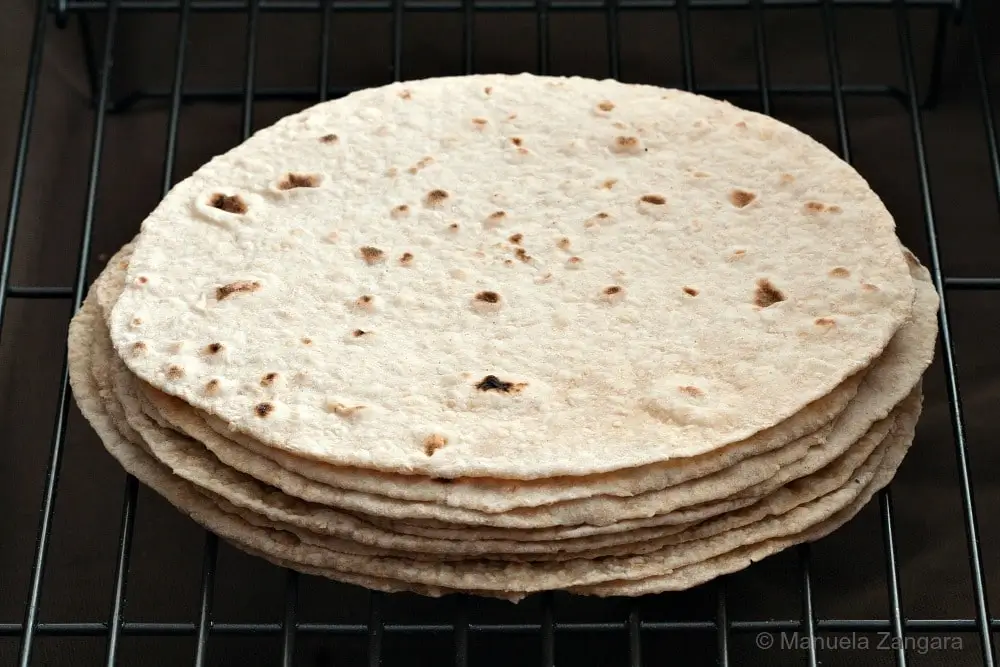
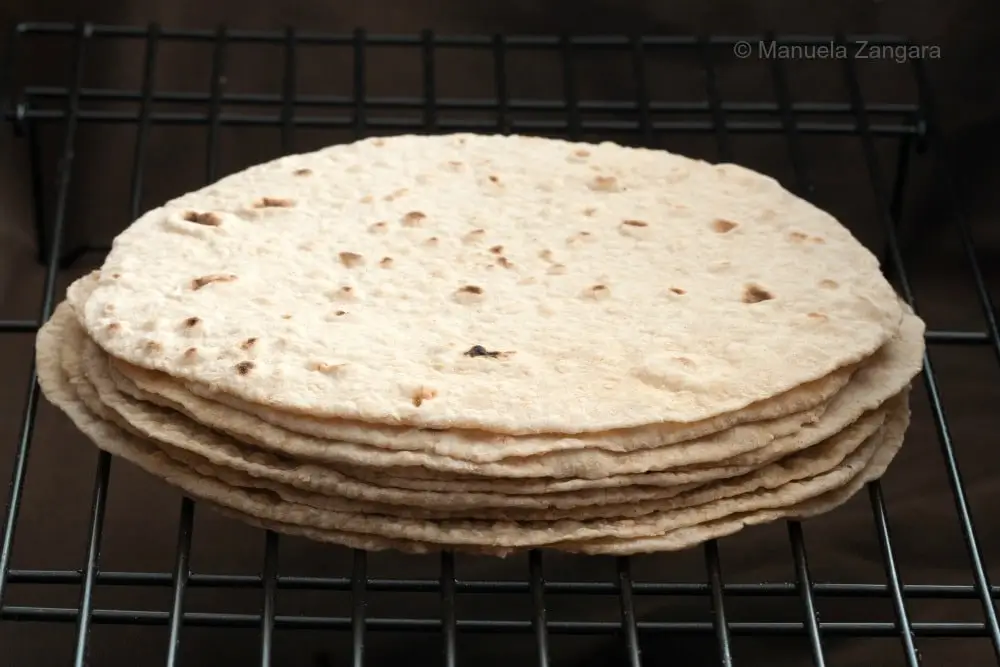
A stack of homemade Wholemeal Chapati tastes amazing with curries, stews, or grilled dishes. Ideal for dipping, scooping, and wrapping when you want a simple flatbread.
When I had surgery a couple of months ago, my mother-in-law came to stay with us to help with the kids and spend some time together. I was so happy she was able to come.
Having her at home made recovery feel calmer, and it was comforting to have someone to talk to during those slow days. We miss her a lot now that she is back at her place, and we can’t wait for her to visit us again.
While she was here, she taught me how to make a few Indian dishes. I have a couple of Goan specialities saved up to share around Christmas time, but today I want to share her recipe for Wholemeal Chapati.
She made warm wholemeal chapatis for breakfast every morning, and they were such a treat. They are soft, earthy, and so good when they come straight off the hot skillet. Try making them at home for breakfast or serve them with your favourite Indian curry. Thank you, mum!
Reasons to Make This Wholemeal Chapati
- Works smoothly with curries, lentils, grilled meats, and simple vegetable preparations.
- Offers a lighter option compared to chapatis made with plain flour.
- Adapts well to different sizes, so you can roll smaller ones for kids or larger ones for wraps.
Key Ingredients for Wholemeal Chapati
Wholemeal Flour
Gives the chapati its structure and a hearty taste. It absorbs water well and creates a dough that is easy to roll.
Salt
Salt brings balance and supports the dough during kneading. Even a small amount improves the overall taste and helps the chapatis cook evenly on the skillet.
Ghee
An optional addition brushed on top after cooking. It brings gentle richness and adds a warm finish that pairs well with Indian dishes.
Find the complete list with measurements in the recipe card below.
How to Make Wholemeal Chapati
Step 1: In a bowl, combine the flour, salt, and water to form a soft dough. Add more water only if needed. Knead until the dough is smooth and pliable, then cover it with a damp cloth and let it rest for 10 minutes.
Step 2: Divide the dough into 8 equal portions.
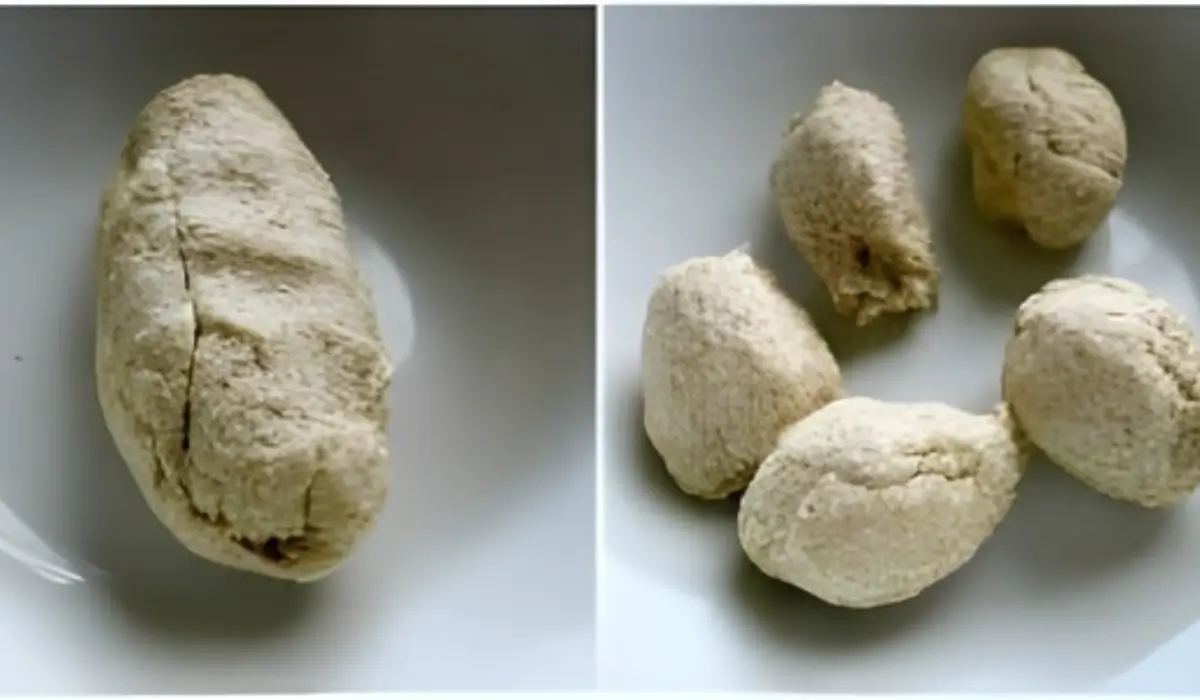
Step 3: Roll each portion into a smooth ball.
Step 4: Lightly flour your board and flatten one dough ball into a small disc.
Step 5: Roll the disc into a thin circle, turning it as you roll to keep the shape even.
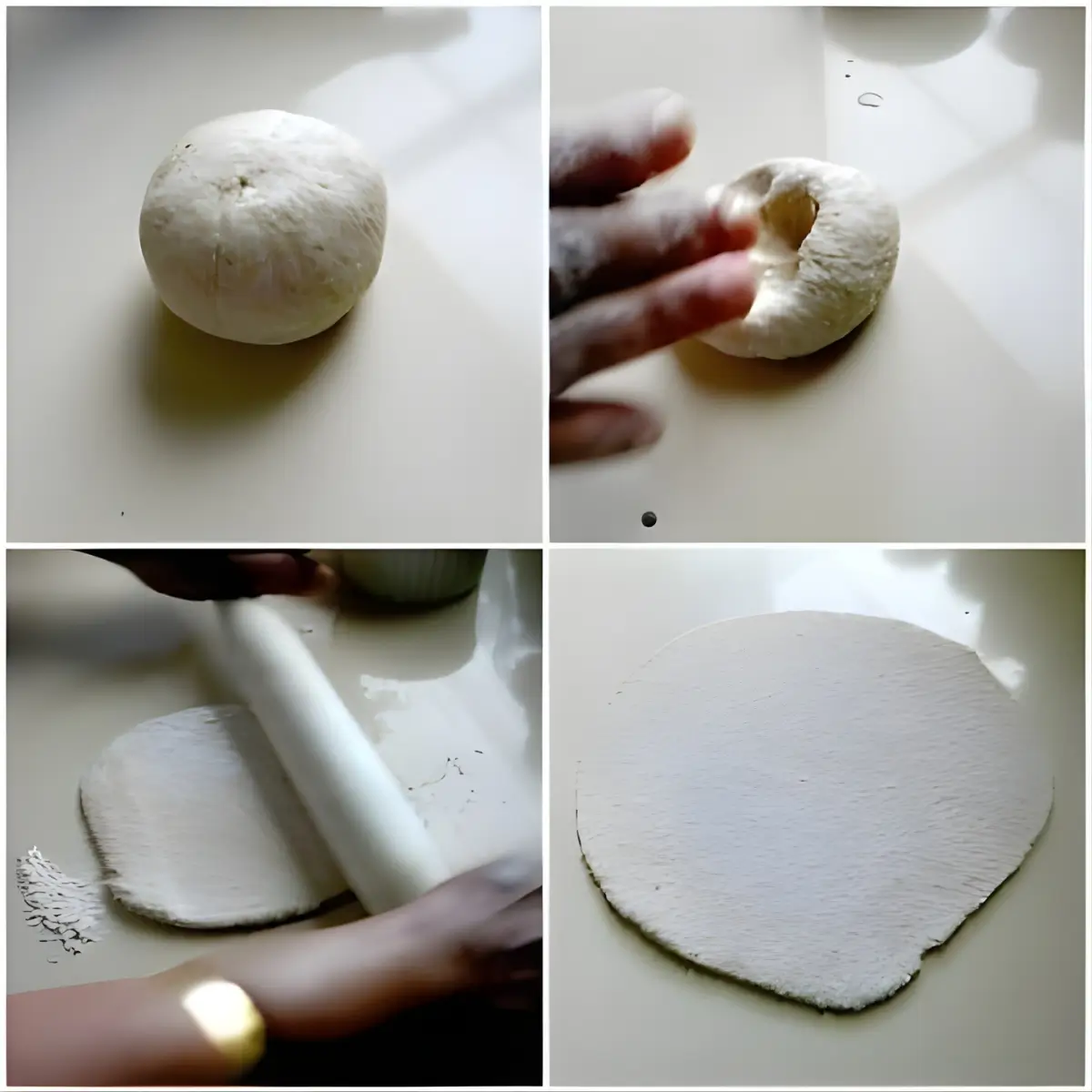
Step 6: Heat a skillet over medium heat.
Step 7: Once the skillet is hot, place a chapati on it. When it starts to change colour and puff up, flip it.
Step 8: Flip again after a few seconds. Use a flat spatula to press gently on the puffed areas so they rise fully. Keep flipping until both sides develop light golden-brown spots.
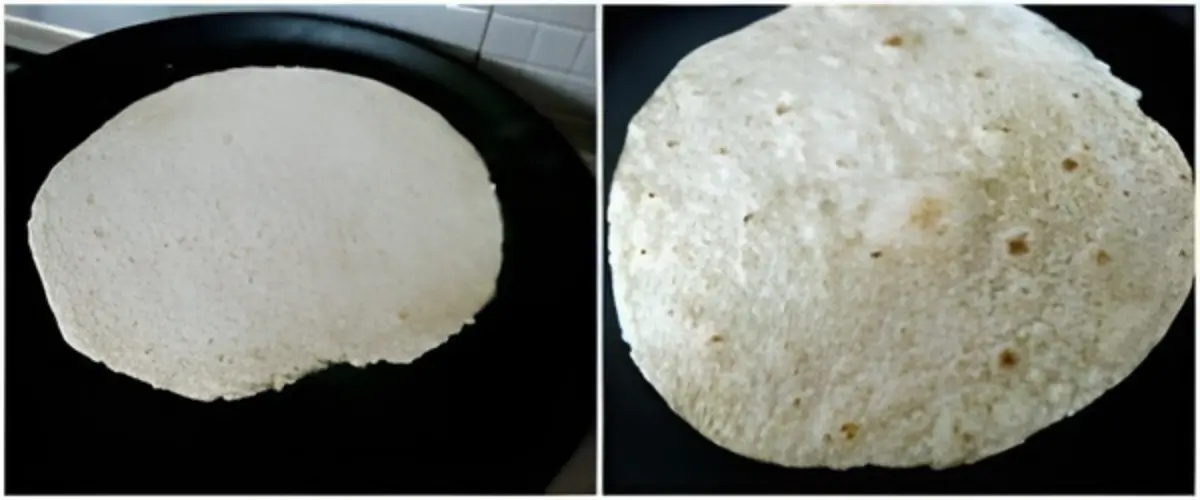
Step 9: Repeat the same process for the remaining chapatis.
Step 10: If you like, brush the chapatis with a little ghee as they cook.
Step 11: Stack the cooked chapatis, placing a sheet of kitchen towel between each one to absorb moisture.
Step 12: Serve hot.
Frequently Asked Questions
Yes. Plain flour works, but the texture and taste will be different from traditional wholemeal chapati. A half-and-half mix also gives a lighter result.
Uneven rolling or low heat can prevent puffing. A well-hydrated dough and a consistently hot skillet help chapatis rise properly.
Both are unleavened flatbreads made with whole-wheat flour. Names vary by region, but the method is very similar.
Yes. Stack them with baking paper between each chapati and freeze in a sealed container. Thaw at room temperature before reheating.
Extra Help from the Kitchen
Measure Water Gradually – Wholemeal flour absorbs liquid differently depending on humidity and storage time. Adding the water slowly helps you stop at the point where the dough feels soft without sticking to your hands.
Knead Until Smooth – Wholemeal dough needs a bit more work to develop gluten. A few extra minutes of kneading help the chapatis puff better on the skillet and give them a softer texture.
Keep Dough Covered at All Times – Wholemeal dough dries faster than plain flour dough. Covering the dough with a cloth while you roll each piece prevents cracks on the surface and keeps the chapatis tender.
Avoid Over-Rolling – Rolling too thin stops puffing. Aim for an even circle with uniform thickness so the heat moves through the dough evenly and encourages puffing in the skillet.
Variations and Twists
Add a Little Olive Oil to the Dough – Mix a teaspoon of olive oil into the dough for a softer feel. The dough becomes easier to knead and rolls out more smoothly.
Make Folded Chapati Layers – Roll each ball into a small disc, brush a thin layer of ghee, fold into a triangle, then roll again. This creates light layers while keeping the same cooking steps.
Prepare Thin Chapati Wraps – Roll the dough slightly thinner and cook quickly on a hot skillet, then brush with a small amount of ghee. These wrap well around vegetables or curry.
Coriander Roti – Finely chop fresh coriander and knead it into the dough after mixing the flour, salt, and water. Roll and cook as usual.
Storage and Shelf Life
Store cooked chapatis wrapped in a clean cloth or in aluminum foil and place them in an airtight container for up to 2 days at room temperature. Keep them in the fridge for 5 to 6 days if you need them to last longer.
Freeze chapatis by stacking them with baking paper between each one and keeping them in a sealed container for up to 2 months. Thaw at room temperature. Reheat on a hot skillet so the surface warms through and the chapati becomes soft and pliable again.
Try These Other Homemade Breads
Wholemeal Chapati Recipe
A stack of homemade Wholemeal Chapati tastes amazing with curries, stews, or grilled dishes. Ideal for dipping, scooping, and wrapping when you want a simple flatbread.
Ingredients
- 125 g – 1 cup wholemeal flour
- ¼ tsp salt
- 125 ml – ½ cup lukewarm water – or as needed
- 2 tsp ghee – optional
- More wholemeal flour – for rolling
Instructions
-
In a bowl, combine the flour, salt, and water to form a soft dough. Add more water only if needed. Knead until the dough is smooth and pliable, then cover it with a damp cloth and let it rest for 10 minutes.
-
Divide the dough into 8 equal portions.
-
Roll each portion into a smooth ball.
-
Lightly flour your board and flatten one dough ball into a small disc.
-
Roll the disc into a thin circle, turning it as you roll to keep the shape even.
-
Heat a skillet over medium heat.
-
Once the skillet is hot, place a chapati on it. When it starts to change colour and puff up, flip it.
-
Flip again after a few seconds. Use a flat spatula to press gently on the puffed areas so they rise fully. Keep flipping until both sides develop light golden-brown spots.
-
Repeat the same process for the remaining chapatis.
-
If you like, brush the chapatis with a little ghee as they cook.
-
Stack the cooked chapatis, placing a sheet of kitchen towel between each one to absorb moisture.
-
Serve hot.
Recipe Notes
Chapatis keep well at room temperature for up to 2 days when wrapped in aluminum foil or stored in an airtight container. They can also be refrigerated for 5–6 days. Reheat in a skillet.

Love travelling as much as cooking?
Many of the recipes I share are inspired by places I’ve visited around the world. On Travel with Manu you’ll find destination guides, itineraries and travel inspiration to help you plan your next adventure.
















Leave a Reply