

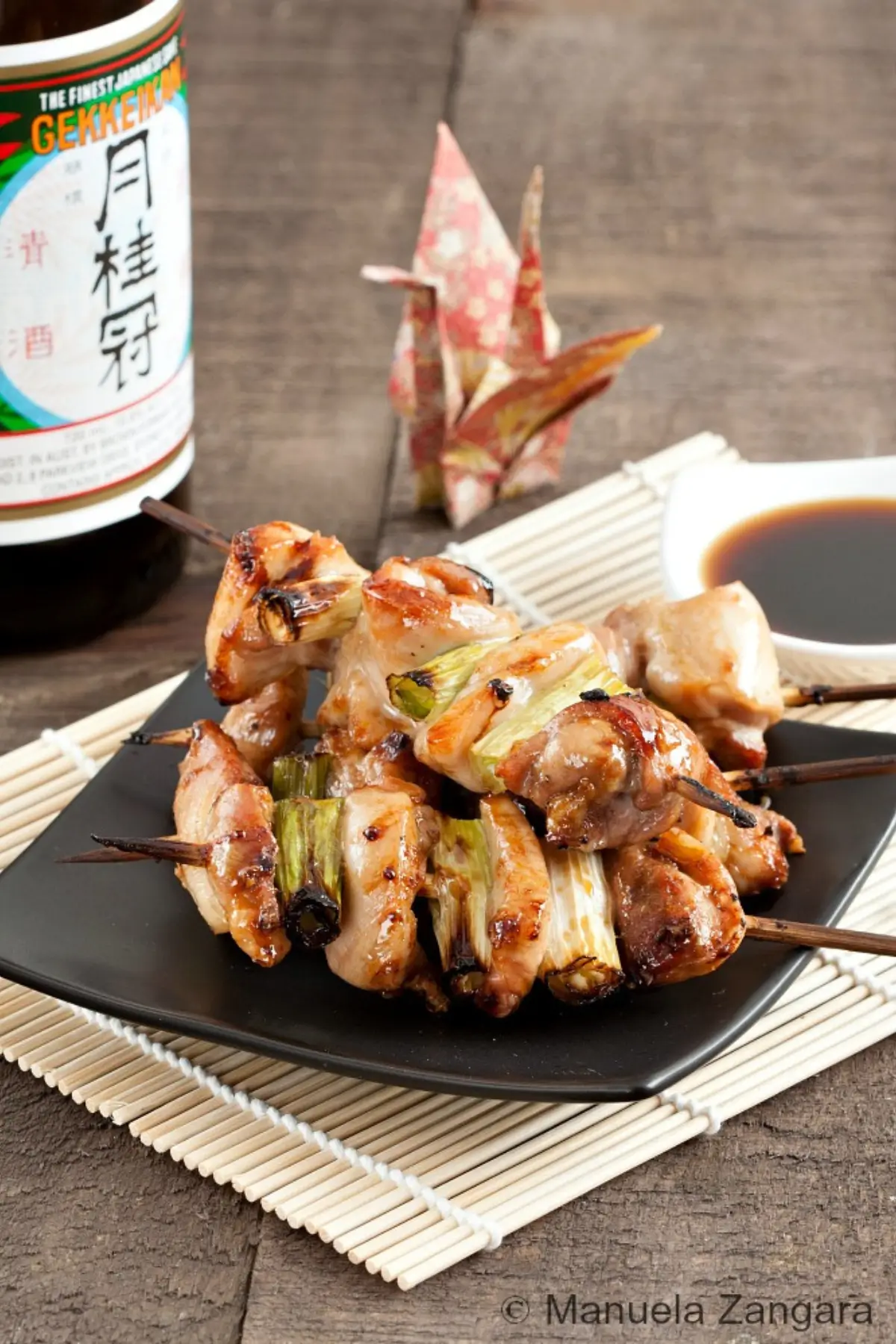
Cooked on skewers, Yakitori chicken stays tender, takes on light charring, and finishes with a savoury glaze that smells rich.
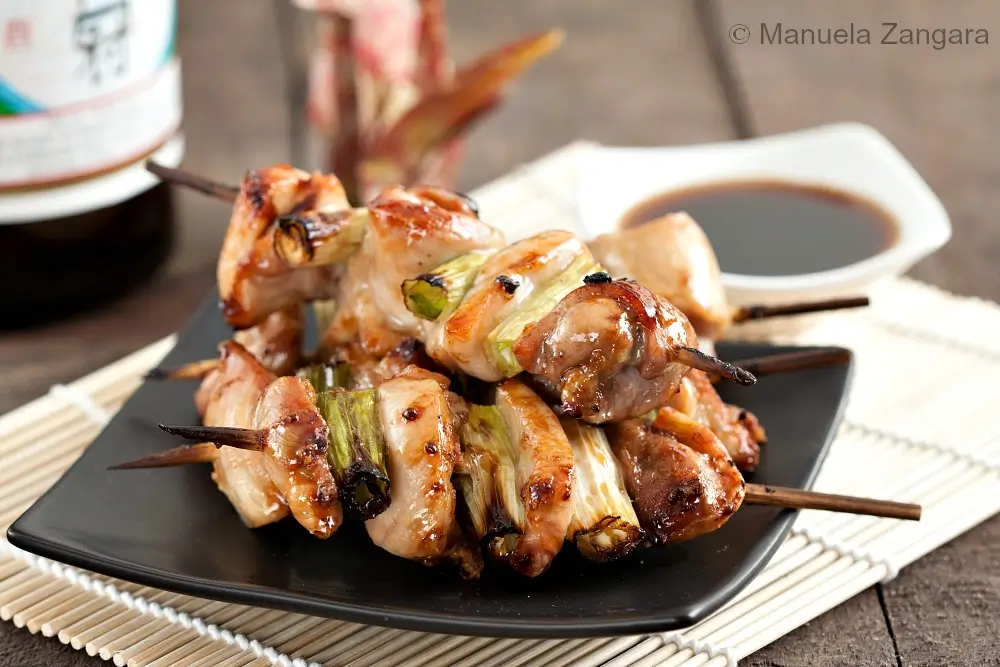
Lately, I have been on a bit of a Japanese food bender. I am discovering more and more dishes, and the more I discover, the more I love Japanese cuisine. There is so much more to it than sushi, which I love too.
I had heard a lot about yakitori before, but I had never actually eaten it. Once I finally tried them, I was completely sold. They are incredibly delicious.
There are many kinds of yakitori, often found on the menus of yakitori restaurants, where different cuts of chicken are grilled to suit their texture. Though I have often seen it served from flat tops by street vendors, yakitori consists of grilled skewers made from all parts of the chicken, including chicken breast, chicken thighs, hearts, and chicken gizzards.
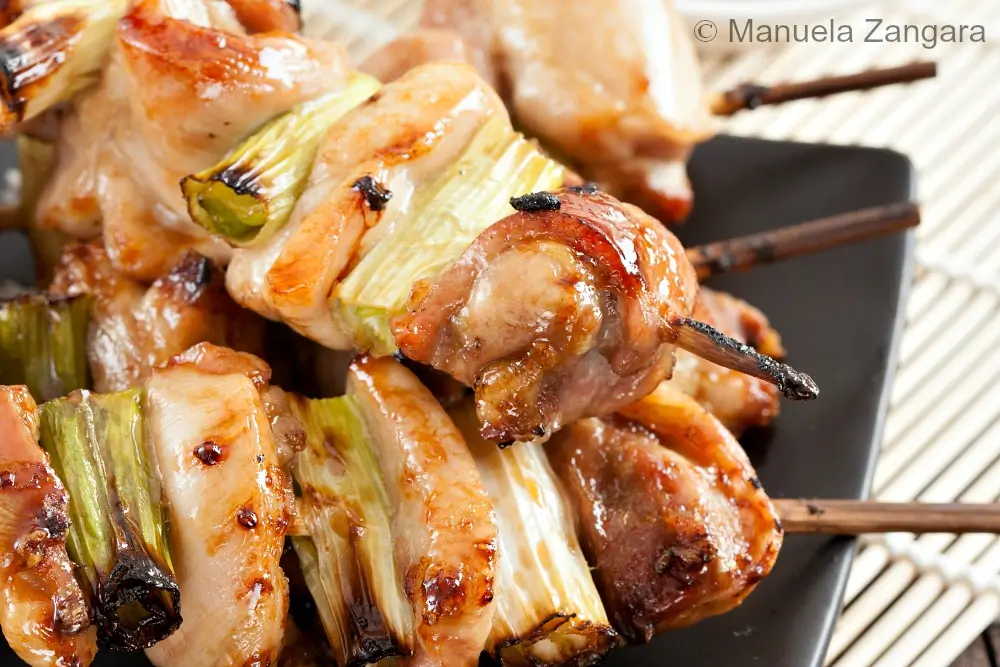
The sauce is both savoury and sweet, and the whole dish comes together in just a few minutes. This recipe works well for grilling season, but I cooked my yakitori under the oven grill, and they turned out just as delicious. Give them a try.
What is Yakitori?
Yakitori refers to Japanese-style grilled chicken skewers, traditionally enjoyed in small specialty restaurants, especially in Tokyo, where they are cooked to order and served straight from the grill.
Yakitori is a classic Japanese dish made from bite-sized pieces of chicken threaded onto skewers and grilled over high heat, traditionally over charcoal. The name is simple and literal. Yaki means grilled, and tori means chicken.
Yakitori stands out not only for the skewers, but for the care cooks take during grilling. They grill the chicken until lightly charred outside and juicy inside, then season it with salt, called shio, or brush it with a glossy soy-based glaze known as tare.
What You’ll Enjoy About This Yakitori
- Tastes savoury straight away, with a light sweetness coming through as you chew.
- Feels easier to eat since the chicken is already cut into small, manageable pieces.
- Brings a nice contrast between soft chicken and spring onions that cook down gently.
Key Ingredients for Yakitori
Spring Onions (Green Onions)
The white and light green parts soften as they cook and develop a mild sweetness. Thread the spring onions, also known as green onions, between the chicken pieces so everything cooks at a similar pace.
Soy Sauce
Soy sauce gives the sauce its savoury depth and seasons the chicken during grilling. A standard Japanese soy sauce keeps the flavour balanced and familiar.
Mirin
Mirin adds gentle sweetness and helps the sauce coat the chicken once brushed on. Proper mirin gives a cleaner finish after reduction than mirin-style substitutes.
Sake
Sake adds a rounded note to the sauce and softens the saltiness of the soy sauce as it simmers. A basic drinking sake works well and blends smoothly once the alcohol cooks away.
Find the complete list with measurements in the recipe card below.
How to Make Chicken Yakitori
Step 1: Soak the bamboo skewers in water for 30 minutes.
Yakitori Sauce (Tare)
Step 1: In a small saucepan, combine the mirin, soy sauce, sake, water, brown sugar, and the green part of 1 spring onion. Bring to a boil over high heat. Once boiling, reduce the heat to low and simmer, uncovered, until the liquid is reduced by half, about 30 minutes.
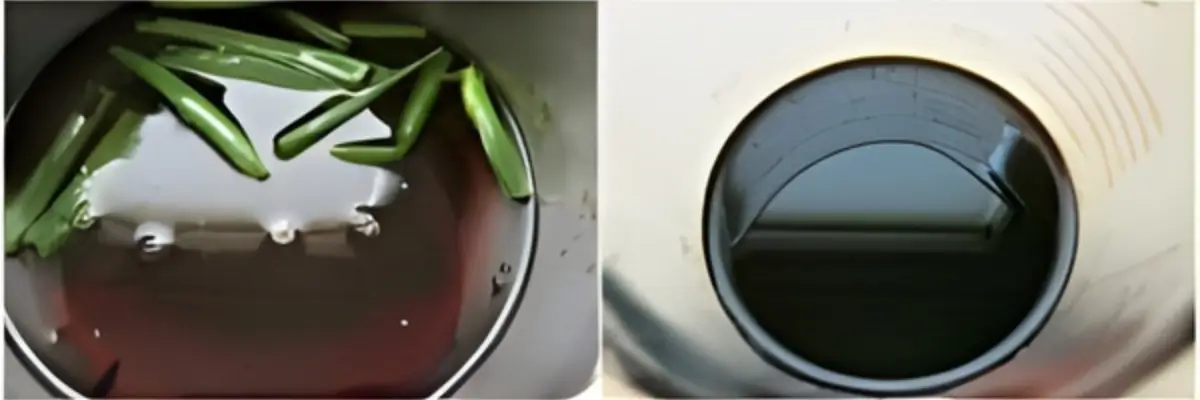
Step 2: Remove from the heat and let the sauce cool to room temperature. Reserve ⅓ of the sauce in a small bowl for the final coating.
Yakitori
Step 1: Cut the white and light green parts of the scallions into 2.5 cm – 1-inch pieces.
Step 2: Cut the chicken into 2.5 cm – 1-inch cubes.
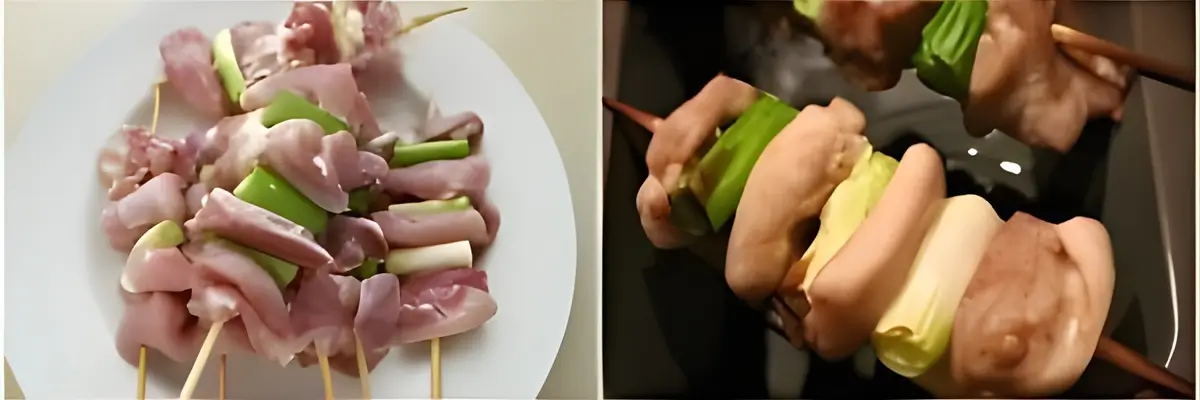
Step 3: Thread the chicken onto the skewers at a 45-degree angle.
Step 4: Alternate each piece of chicken with a piece of spring onion.
Step 5: Grease the grate of the broiler or wire rack (or an oven-safe cooling rack) to prevent sticking. Place the skewers on top.
Step 6: Set the broiler to high and wait until the heating elements are hot. Broil for 6 minutes.
Step 7: After 6 minutes, brush the sauce over the chicken on both sides and continue to broil for 3–4 minutes, until the chicken is cooked through and the sauce has caramelised.
Step 8: Transfer the skewers to a serving plate and brush the chicken with the reserved sauce using a clean brush.*
Step 9: Serve warm.
Frequently Asked Questions
Yes. A hot oven grill works well and gives good colour to the chicken. Place the skewers close to the heat and keep an eye on them once the sauce goes on.
Chicken thighs are the better choice. They stay tender under high heat and handle the glaze well, which makes a clear difference in texture.
Although yakitori typically uses chicken, cooks often apply the same grilling method to sliced beef, pork loin, or pork belly.
For a full meal, serve yakitori with plain rice, cucumber salad, pickled vegetables, or simple grilled greens. It can also be served with teriyaki sauce, though tare or salt are more traditional.
Dry sherry works well as a substitute. Avoid cooking wine with added salt, as it can make the sauce taste too sharp once reduced.
Extra Help from the Kitchen
Let the Chicken Warm Slightly Before Skewering – Bring the chicken closer to room temperature before cooking so it heats evenly under the grill and avoids dry edges.
Reduce the Sauce Slowly – Keep the tare at a gentle simmer so it thickens evenly and keeps a balanced flavour without turning too sharp.
Leave Space at Skewer Ends – Leave a small gap at both ends of each skewer to make turning easier and keep your hands away from direct heat.
Turn Once After Glazing – Turn the skewers only once after brushing with sauce so the glaze sets properly and browns evenly.
Line the Tray with Aluminium Foil – Line the baking sheet underneath the rack with aluminium foil to catch drips from the sauce and fat, which makes clean-up easier without affecting how the skewers cook.
Variations and Twists
Use Vegetables Instead of Spring Onions – Replace the spring onions with shiitake mushrooms, shishito peppers, zucchini, or asparagus.
Cook in a Pan Instead of Broiling – Use a wide frying pan with a little oil and cook the skewers over medium heat, turning as needed, then brush with sauce and let it caramelise gently in the pan.
Use Other Cuts of Chicken – Replace chicken thighs with chicken breast or tenderloins if preferred, keeping pieces slightly larger and reducing cooking time so the meat stays moist.
Add Aromatics to the Sauce – Simmer a few slices of fresh ginger or lightly crushed garlic in the sauce while it reduces, then strain before using so the flavour stays subtle.
Storage and Shelf Life
Store cooked yakitori leftovers in an airtight container in the refrigerator for up to 3–4 days. Freezing is possible, but the texture of the chicken and sauce is best within 2 months.
Thaw overnight in the fridge. Reheat under a hot grill or in a pan over medium heat until warmed through. Watch closely so the sauce does not darken too much.
Japanese Dishes to Round Out the Meal
Yakitori Recipe
Cooked on skewers, Yakitori chicken stays tender, takes on light charring, and finishes with a savoury glaze that smells rich.
Ingredients
Yakitori
- 10 –12 bamboo skewers
- 450 g boneless skinless chicken thighs – at room temperature
- 9 spring onions (scallions)
- vegetable oil
Yakitori Sauce (Tare)
- 125 ml ½ cup soy sauce
- 125 ml ½ cup mirin
- 60 ml ¼ cup sake
- 60 ml ¼ cup water
- 2 tsp brown sugar packed
Instructions
-
Soak the bamboo skewers in water for 30 minutes.
Yakitori Sauce (Tare)
-
In a small saucepan, combine the mirin, soy sauce, sake, water, brown sugar, and the green part of 1 spring onion. Bring to a boil over high heat. Once boiling, reduce the heat to low and simmer, uncovered, until the liquid is reduced by half, about 30 minutes.
-
Remove from the heat and let the sauce cool to room temperature. Reserve ⅓ of the sauce in a small bowl for the final coating.
Yakitori
-
Cut the white and light green parts of the scallions into 2.5 cm – 1-inch pieces.
-
Cut the chicken into 2.5 cm – 1-inch cubes.
-
Thread the chicken onto the skewers at a 45-degree angle.
-
Alternate each piece of chicken with a piece of spring onion.
-
Grease the grate of the broiler or wire rack (or an oven-safe cooling rack) to prevent sticking. Place the skewers on top.
-
Set the broiler to high and wait until the heating elements are hot. Broil for 6 minutes.
-
After 6 minutes, brush the sauce over the chicken on both sides and continue to broil for 3–4 minutes, until the chicken is cooked through and the sauce has caramelised.
-
Transfer the skewers to a serving plate and brush the chicken with the reserved sauce using a clean brush.*
-
Serve warm.
Recipe Notes
*Make sure the reserved sauce does not come into contact with raw chicken, or it will need to be boiled again to avoid contamination. Always use a clean brush for the final coating.

Love travelling as much as cooking?
Many of the recipes I share are inspired by places I’ve visited around the world. On Travel with Manu you’ll find destination guides, itineraries and travel inspiration to help you plan your next adventure.
















Hey, I saw your BEAUTIFUL yakitori recipe on Pinterest and thought, wow this is too pretty not to make. It’s been featured here –> http://www.obsessivecooking.com/2014/10/negima-yakitori-chicken-and-scallion.html
I told my boyfriend he HAS to try this when he visits – we love yakitori! Thanks so much 😀
I never know what sake to buy – there are many different kinds. Which would you recommend?
Love that I have everything…seriously now looking at dinner!
I’m off to Japan in September, so have been “studying” the cuisine in detail (research and all that!!). I love the look and sound of these lovely, saucy, chicken-y morsels.
This sounds divine, Manu… and I have all the ingredients! : )
Um, I love yakitori! I swear Japanese really know how to treat their meat. Also, if you’re into Japanese food, I recommend robata(yaki) style dining, if you can find it. Like yakitori, it’s grilled meat, but grilled over a special charcoal mini grill. The result is delicate and unlike anything else, really. If you can find a restaurant that has it, try it out!
O sabor agridoce do shoyu com o sabor delicado e marcante da cebolinha faz do yakitori um prato delicioso, de sabor delicado e exclusivo