

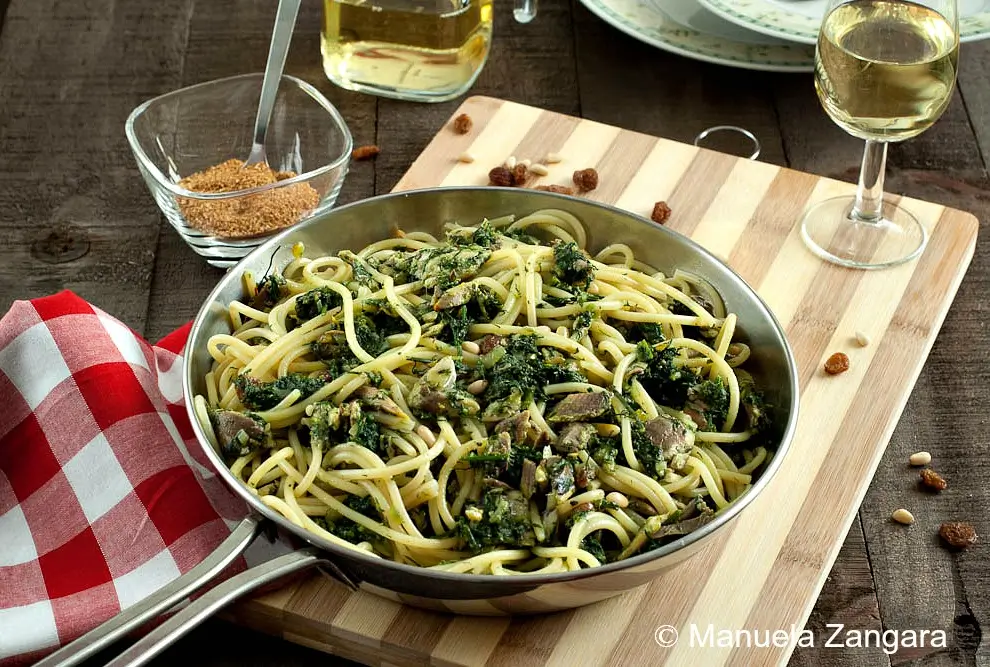
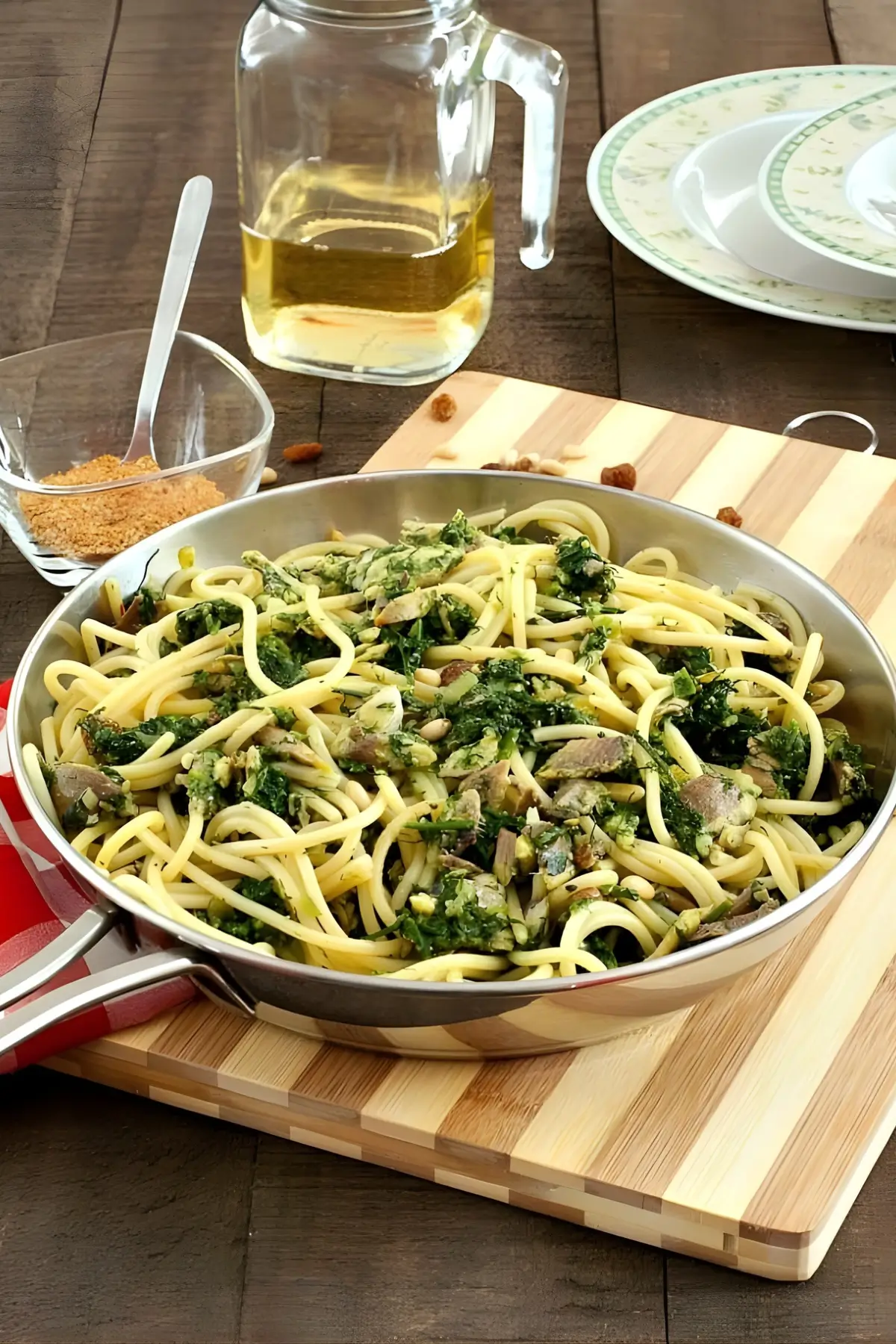
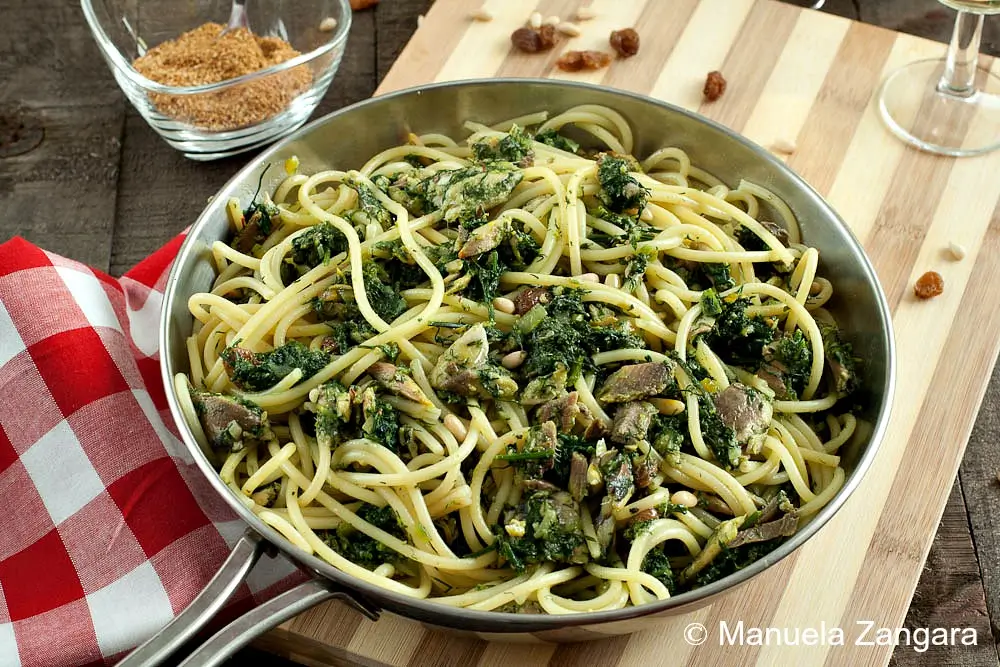
The combination of raisins, sardines, warm spices, and pine nuts makes this Pasta con le Sarde alla Palermitana unbelievably satisfying. Add breadcrumbs on top for a next-level finish.
I’m quite sure I’ve said this before, but in case you missed the earlier post, I’ll say it again in a simple way. I like fish, although it’s never my top choice when I look at a menu.
Still, there are a few kinds I always enjoy, and sardines are one of them. The problem is that I rarely find them fresh around here. So when I saw fresh sardines at the market this week, I bought them straight away.
While I was there, I also came across fresh fennel tops, which I had never seen in my area until now. My parents are still visiting and, since they are Sicilian, the whole moment felt like a clear sign.
I needed to make pasta with sardines “Palermo style”, with fennel tops, saffron, raisins, and pine nuts. It’s one of those regional Italian dishes that always brings me back to the kind of cooking I grew up around.
What is Pasta con le Sarde?
Pasta con le Sarde, which translates to Pasta with Sardines, is a classic Sicilian pasta made with fresh sardines, wild fennel, onions, pine nuts, raisins, and saffron.
It’s one of Palermo’s most traditional dishes and has strong Arab-Sicilian roots. The raisins add sweetness, the saffron brings warmth and colour, and the sardines give the dish its savoury base.
There is also a well-known origin story. According to local tradition, the dish was created during a siege, when an army cook worked with whatever he could find.
He used sardines that weren’t very fresh, added wild fennel from the surrounding countryside to lift the flavour, and included pine nuts, which were believed to help prevent food-related issues at the time.
The story is considered more legend than fact, but it shows how necessity and local ingredients shaped a recipe that later became part of Palermo’s identity.
Reasons to Make This Pasta with Sardines
- Works well with both bucatini and spaghetti, so you can use whatever you already have at home.
- You can prepare the sauce earlier in the day and finish the pasta when you’re ready to eat.
- Leaves you satisfied without feeling heavy, especially when served with a light side salad.
Key Ingredients for Pasta con le Sarde
Sardine Fillets
Fresh sardines give the sauce a firm, meaty base. They break into small flakes as they cook and bring the savoury depth this pasta is known for.
Fennel Tops
Add gentle sweetness and a light herbal note. Boiling them softens the stems and leaves, making them easy to fold into the sauce.
Anchovies
Melt into the warm oil and onion and form the savoury foundation of the dish. They season the sauce naturally without needing extra salt early on.
Raisins and Pine Nuts
Raisins soften quickly and add mild sweetness, while pine nuts give richness and texture. This mix is a classic part of Sicilian cooking.
Find the complete list with measurements in the recipe card below.
How to Make Pasta con le Sarde alla Palermitana
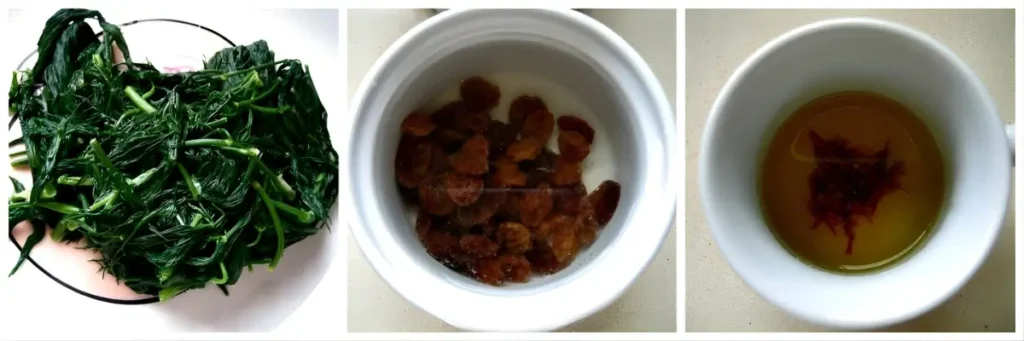
Step 1: Boil the fennel tops in hot salted water. When they are soft, lift them out with a slotted spoon and set them aside. Keep the cooking liquid for the pasta, then chop the fennel tops once they have cooled.
Step 2: Toast the breadcrumbs in a pan over low heat. Stir constantly so they do not burn. When they turn golden brown, turn off the heat and set them aside.
Step 3: Place the saffron in a small cup with 2 tablespoons of hot water and set aside.
Step 4: Soak the raisins in hot water to soften.
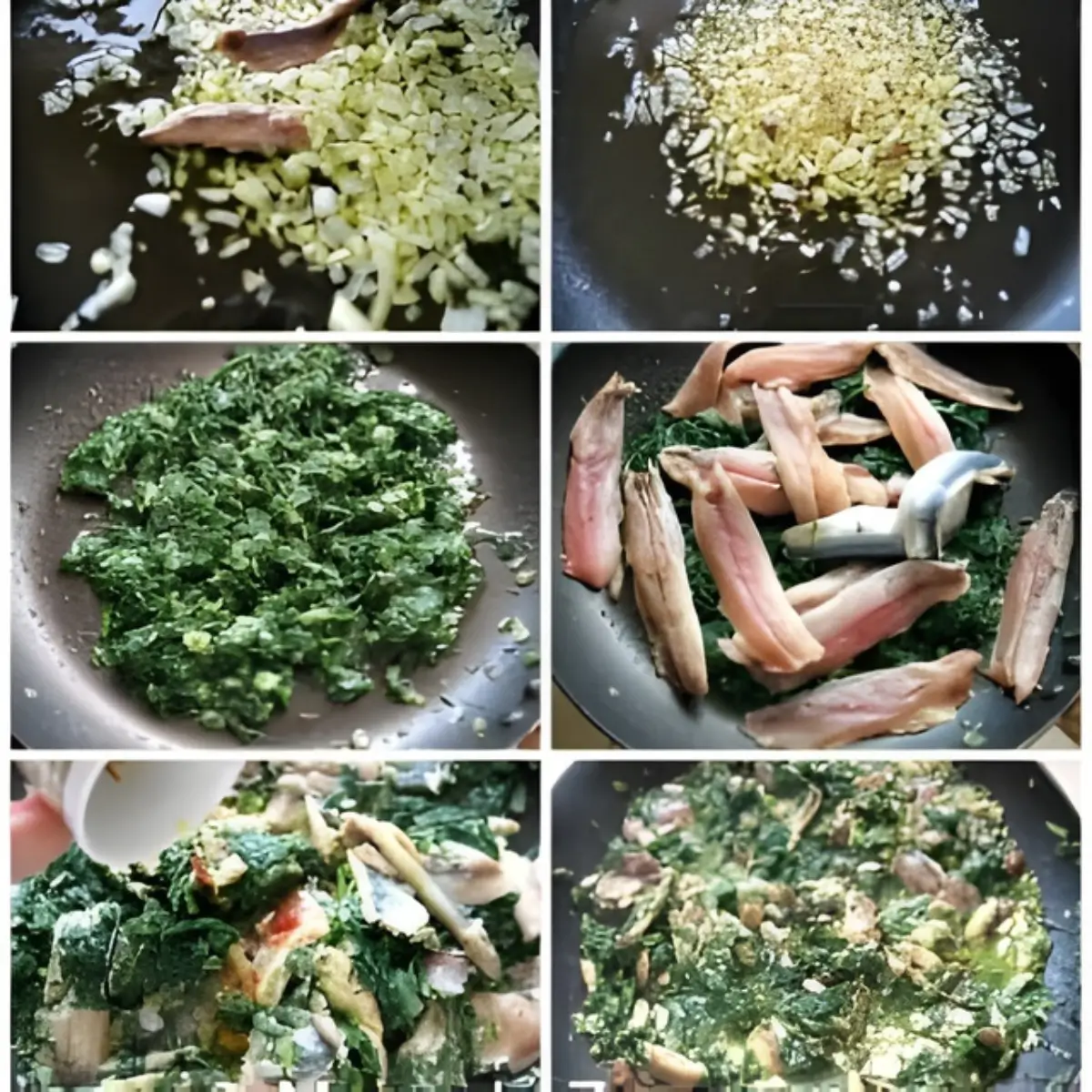
Step 5: Sauté the onion in a pan with the extra virgin olive oil.
Step 6: When the onion becomes translucent, add the anchovy fillets and break them up with a wooden spoon over low heat until they melt.
Step 7: Add the chopped fennel tops and mix well.
Step 8: Add the sardines, pine nuts, saffron, and drained raisins, then stir to combine.
Step 9: Cook on low heat for 5 minutes. Add some fennel-cooking liquid if the mixture looks dry, then turn off the heat and keep the sauce aside.
Step 10: Cook the Bucatini in the reserved fennel liquid (add extra water if needed so the pasta stays covered and cooks evenly) following the “How to Cook Pasta al Dente” method. Drain the pasta 1 minute early so it can finish cooking in the sauce.
Step 11: Transfer the drained pasta to the pan with the sardine and fennel sauce. Mix well and heat on a low flame for 1-2 minutes so the pasta absorbs the flavour.
Step 12: Serve immediately with toasted breadcrumbs on top.
Frequently Asked Questions
Yes, as long as they are fully thawed and patted dry. Use them the same way as fresh fillets. The texture is slightly softer but still works well in the sauce.
No. Add them straight from the tin. Rinsing removes flavour and reduces the natural seasoning they bring to the base of the sauce.
A small splash of white wine can be added after melting the anchovies. Let it cook off fully before adding the fennel tops.
Yes. The pasta still works, but saffron adds warm colour and a gentle depth that lifts the fennel and sardines. Without it, the sauce looks paler and tastes a bit simpler.
Extra Help From the Kitchen
Check Sardines for Small Bones – Run your fingers along each fillet before cooking. Even cleaned sardines can have a few fine bones left behind.
Keep the Sauce Loose – Sardines absorb liquid quickly, so keep a small bowl of fennel water nearby in case the sauce tightens while it rests.
Use a Fish Spatula – A thin, flexible spatula makes it easier to lift sardines without tearing them. This helps keep the fish in soft flakes rather than breaking into small pieces that disappear into the sauce.
Pat Sardines Dry – Press the fillets gently with kitchen paper before cooking. Removing moisture helps the fish settle into the pan without releasing excess liquid, which keeps the sauce from thinning out.
Variations and Twists
Use Fennel Bulb – When fennel tops aren’t available, slice the fennel bulb thinly and cook it until tender. Add a small handful of fennel leaves if you have them for a similar gentle anise flavour.
Swap in Tinned Sardines in Olive Oil – Good-quality tinned sardines work when fresh fish isn’t an option. Drain them well and add them at the same stage as the fresh fillets, keeping the cooking time short.
Add Toasted Almonds – Add toasted, chopped almonds along with the pine nuts for more texture and a rounder nutty taste.
Use Spaghetti Instead of Bucatini – Follow the same method and timings. Long pasta shapes still coat well with this sauce, so spaghetti is a practical choice when bucatini isn’t available.
Storage and Shelf Life
Store Italian sardine pasta leftovers in a sealed container in the fridge for up to 2 days. I don’t recommend freezing this dish because sardines break down once thawed, and the sauce loses its texture.
When warming the pasta, add a small splash of water to the pan so the sauce loosens without drying out. Finish with fresh toasted breadcrumbs before serving. Reheat over low heat and stir gently until everything is warmed through.
Delicious Pasta Dishes You’ll Love
Pasta con le Sarde alla Palermitana Recipe
The combination of raisins, sardines, warm spices, and pine nuts makes this Pasta con le Sarde alla Palermitana unbelievably satisfying. Add breadcrumbs on top for a next-level finish.
Ingredients
- 500 g – 1.1 lbs. sardine fillets – cleaned, deboned, and halved
- ½ onion – chopped
- 5 tbsp extra virgin olive oil
- 2 anchovies
- 500 g – 1.1 lbs. fennel tops – boiled and chopped
- 1 tbsp pine nuts
- 1 tbsp raisins
- 1 pinch saffron – melted in 2 tbsp hot water
- salt and pepper
- 8 tbsp breadcrumbs
- 350 g – 12 oz. Bucatini pasta or Spaghetti
Instructions
-
Boil the fennel tops in hot salted water. When they are soft, lift them out with a slotted spoon and set them aside. Keep the cooking liquid for the pasta, then chop the fennel tops once they have cooled.
-
Toast the breadcrumbs in a pan over low heat. Stir constantly so they do not burn. When they turn golden brown, turn off the heat and set them aside.
-
Place the saffron in a small cup with 2 tablespoons of hot water and set aside.
-
Soak the raisins in hot water to soften.
-
Sauté the onion in a pan with the extra virgin olive oil.
-
When the onion becomes translucent, add the anchovy fillets and break them up with a wooden spoon over low heat until they melt.
-
Add the chopped fennel tops and mix well.
-
Add the sardines, pine nuts, saffron, and drained raisins, then stir to combine.
-
Cook on low heat for 5 minutes. Add some fennel-cooking liquid if the mixture looks dry, then turn off the heat and keep the sauce aside.
-
Cook the Bucatini in the reserved fennel liquid (add extra water if needed so the pasta stays covered and cooks evenly) following the “How to Cook Pasta al Dente” method. Drain the pasta 1 minute early so it can finish cooking in the sauce.
-
Transfer the drained pasta to the pan with the sardine and fennel sauce. Mix well and heat on a low flame for 1-2 minutes so the pasta absorbs the flavour.
-
Serve immediately with toasted breadcrumbs on top.

Love travelling as much as cooking?
Many of the recipes I share are inspired by places I’ve visited around the world. On Travel with Manu you’ll find destination guides, itineraries and travel inspiration to help you plan your next adventure.











One of my favorite pasta dishes — although I haven’t made it in a long time.
This looks gorgeous! Fresh sardines can be very hard to find in the States as well. Such as shame because they make for fantastic eating, with pasta like this (one of my favorites!) or on their own, deep fried or marinated…
As you can see, I am a fish lover at heart. I guess it’s my Neapolitan DNA?
I can just sense all the burst of flavor beautifully marinated on this dish!
This looks fantastic! I love the combo of pine nuts raisins and anchovies. So delicious.