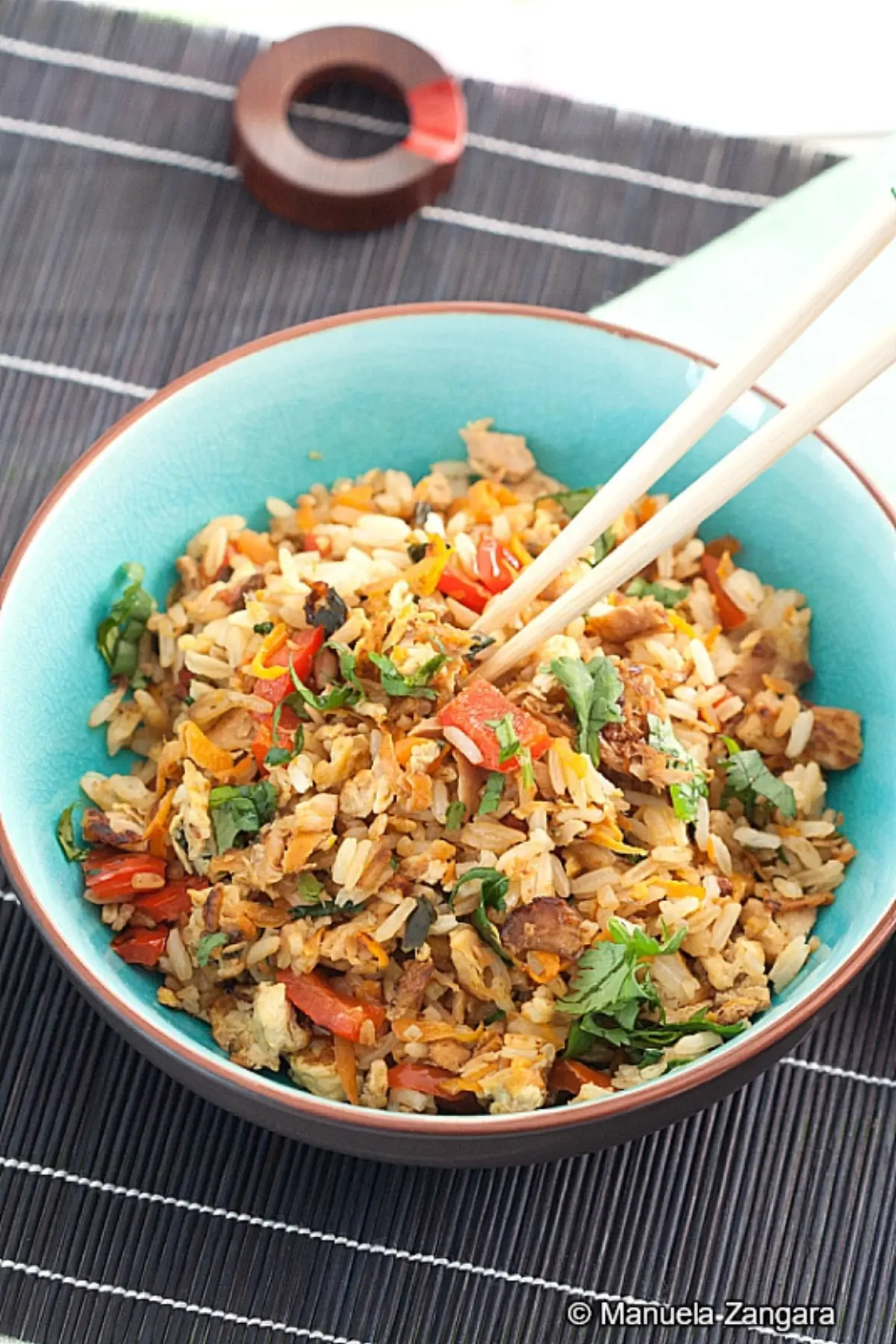
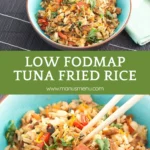
Leftover rice, a tin of tuna, and a hot pan are all you need for Low FODMAP Tuna Fried Rice, perfect for dinners or next-day lunches.
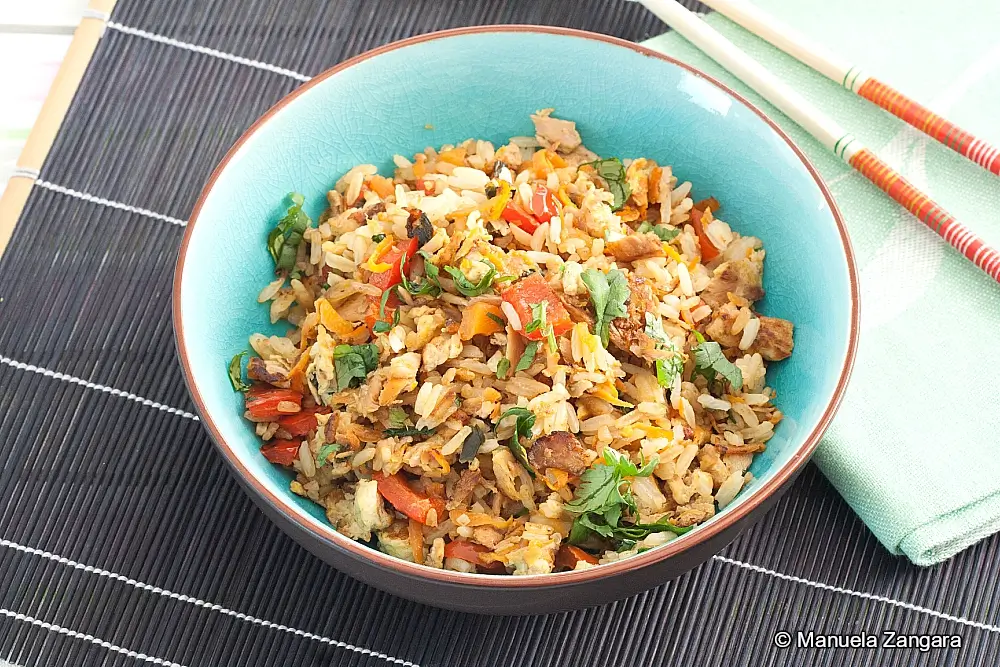
I am pleased to share this recipe, as this Low FODMAP Tuna Fried Rice has become part of my regular cooking. I prepare it at least once a week, and it still feels just as enjoyable every time. It is filling, balanced, and works very well as a meatless option without lacking protein or nourishment.
This dish also makes good use of rice that has been cooked properly. If you are familiar with my method for cooking long-grain rice, you will find it works particularly well here. The flavours are Asian-inspired and often remind me of the Thai chicken fried rice I shared in the past.
Tuna and capsicum is a flavour combination I have used many times before, including in a simple tuna and capsicum pasta dish I shared earlier.
The quantities below serve one person. When cooking low FODMAP meals, I prefer to calculate ingredients individually to keep portions accurate. If you are serving more people, simply multiply the recipe.
If low FODMAP guidelines are not a concern, you can use chopped onion instead of green onion tops. Olive oil with half a clove of garlic can be used in place of garlic-infused oil.
Why This Fried Rice Belongs in Your Rotation
- Delivers a warm, savoury bowl of fried rice that tastes complete without needing meat.
- Fits naturally alongside other low FODMAP meals without needing changes or adjustments.
- Reheats well without losing its structure, so the rice stays enjoyable rather than soft or mushy.
Key Ingredients for Low FODMAP Tuna Fried Rice
Long Grain White Rice
Keeps the fried rice loose and fluffy instead of clumping together. Long-grain rice holds up well once cooled and reheats well in the pan. Basmati or jasmine rice are both good options, as long as the rice is cooked ahead and fully cooled.
Canned Tuna
Adds substance and makes the dish filling without using meat. Tuna in oil gives a rounder, savoury taste, while tuna in brine keeps things lighter. Opt for plain tuna to keep the seasoning under control when you add the sauces.
Capsicum or Bell Peppers
Red capsicum brings sweetness, colour, and a bit of bite. When sliced thinly, it softens quickly while keeping some texture. Red capsicum suits this dish better than green, as it cooks more evenly and tastes milder.
Garlic-Infused Oil
Adds garlic flavour without any FODMAP concerns. The oil spreads the garlic taste through the rice evenly, without leaving any garlic pieces behind.
Find the complete list with measurements in the recipe card below.
How to Make Low FODMAP Tuna Fried Rice
Step 1: Cook the long-grain rice following my method for long-grain rice. Set it aside to cool completely.
Step 2: Heat a large non-stick frypan over medium heat. Add the sesame oil and garlic-infused oil, then fry the crushed ginger and green onion tips for about 1 minute.
Step 3: Add the red capsicum and fry for about 2 minutes, or until it begins to soften.
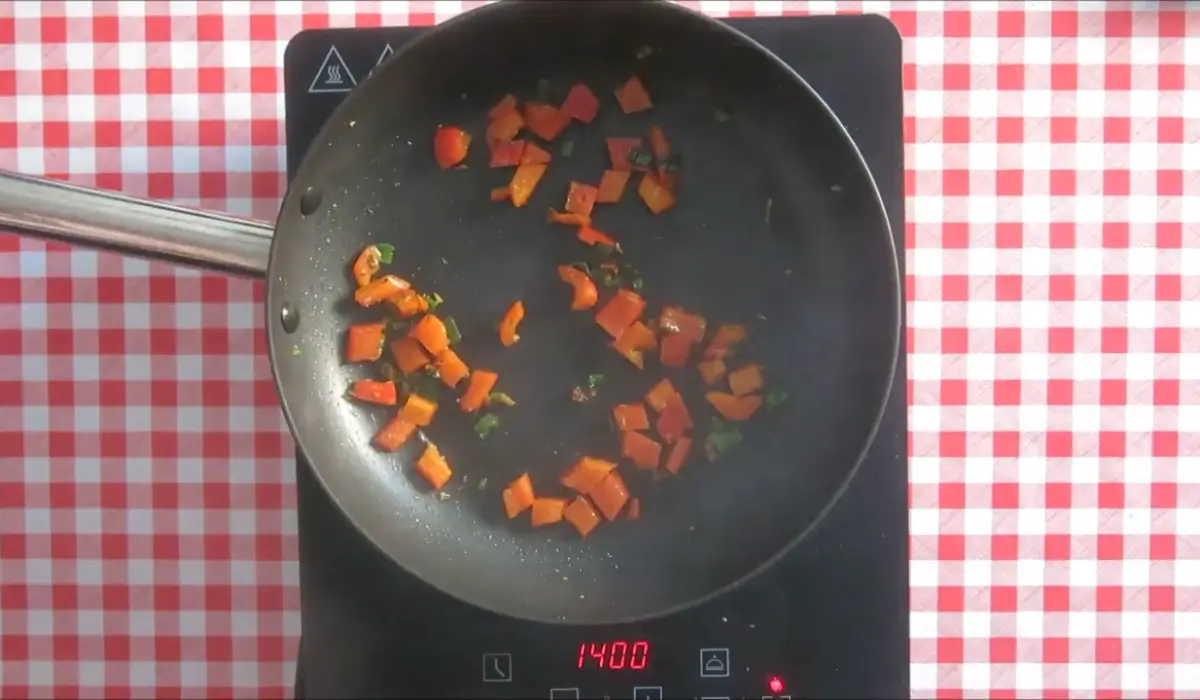
Step 4: Add the grated carrot and fry for 1 minute, stirring gently.
Step 5: Add the drained canned tuna and stir, breaking it up into small pieces as it warms through.
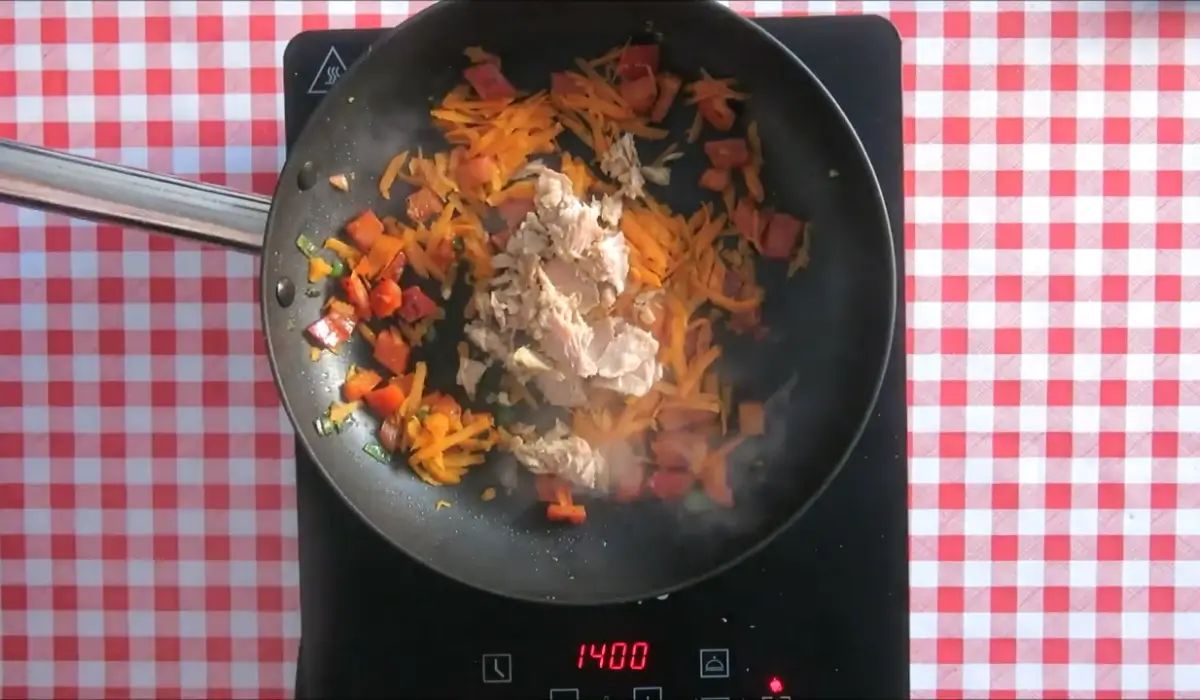
Step 6: Make a well in the centre of the pan and pour in the lightly beaten egg. Stir continuously to scramble it until just set.
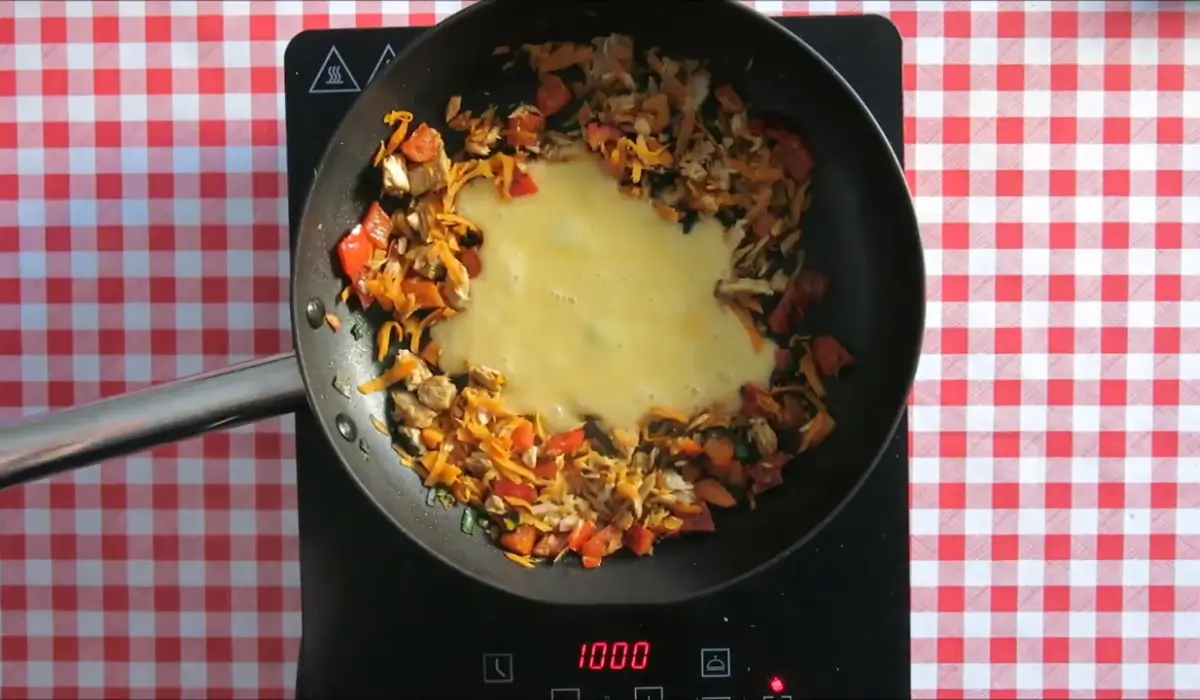
Step 7: Add the cooked rice to the frypan and stir through the soy sauce and fish sauce (and sugar, if using). Remove from the heat once everything is evenly heated through.
Step 8: Taste and season with salt, if needed. Stir through some fresh coriander leaves just before serving.
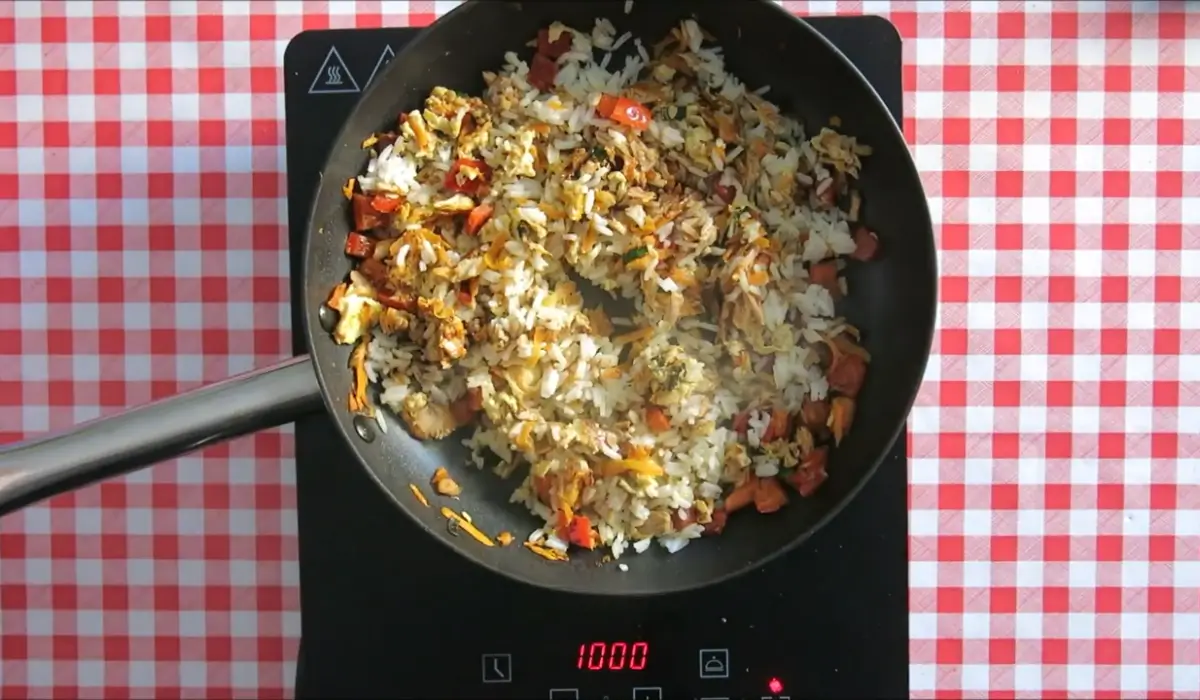
Step 9: Serve hot.
Frequently Asked Questions
Yes, you can use brown rice, but make sure it is fully cooked and cooled before frying, and stir lightly to maintain its texture.
Zucchini, frozen peas, or finely sliced bok choy can be used in place of capsicum. Add them at the same stage as the carrot, so they cook evenly without releasing too much moisture.
Yes. You can leave the egg out if needed. The rice will be slightly less rich, but it will still hold together well with the help of the sauces and oil.
Use fully cooked, cooled rice and add it to a hot pan over medium heat. Lift and turn the grains gently, letting them warm through between stirs, so they stay fluffy and separate.
Yes. Fresh coriander, also known as cilantro, works well. Use chives or the green tops of spring onions in small amounts to keep the recipe low FODMAP.
Extra Help from the Kitchen
Use Day-Old Rice When Available – Cooked rice that has rested overnight in the fridge dries slightly on the surface, which helps it stay separate once added to the pan.
Choose Chunk-Style Tuna – Larger tuna pieces hold their shape better during cooking and avoid breaking down too much when mixed through the rice.
Use a Wide Cooking Pan or Wok – A large frying pan or wok gives the rice enough space to heat evenly and prevents overcrowding, which helps the grains stay separate as they cook.
Cook in Batches When Making More – Frying smaller amounts at a time helps the rice toast lightly in the pan instead of steaming.
Adjust Sugar Based on Sauce Brands – Taste the rice once everything is combined, then add the optional sugar only if needed, as soy sauces vary in sweetness.
Variations and Twists
Add Frozen Peas and Carrots for Extra Texture – Stir a small handful of frozen peas and finely diced carrots into the pan along with the capsicum. Add them straight from frozen so they heat through quickly without releasing too much moisture.
Top with Toasted Seeds or Nuts – Finish the rice with a sprinkle of lightly toasted sunflower seeds or chopped peanuts just before serving for added crunch and contrast.
Use a Different Protein – Eggs are common in fried rice, but if you are not following a low FODMAP diet, you can use pre-cooked chicken, sliced chicken thigh or breast, or crumbled sausage meat. Cook the protein first, then add the rice and vegetables.
Incorporate Different Vegetables – Green beans are a low FODMAP option, while snow peas work in small amounts. Use asparagus only if you are not following a low FODMAP diet. Add the vegetables at the same stage as the carrot so they cook evenly.
Storage and Shelf Life
Store Low FODMAP Tuna Fried Rice leftovers in an airtight container in the fridge for up to 3–4 days. Allow the rice to cool completely before refrigerating, and place it in the fridge within 2 hours of cooking.
For longer storage, freeze the rice in a well-sealed container and keep it in the freezer for up to 1–2 months. The texture may change slightly after thawing.
Thaw overnight in the fridge. Reheat gently in a pan over medium heat with a small splash of water and stir lightly until hot throughout.
Other Rice Dishes You May Enjoy
Low FODMAP Tuna Fried Rice Recipe
Leftover rice, a tin of tuna, and a hot pan are all you need for Low FODMAP Tuna Fried Rice, perfect for dinners or next-day lunches.
Ingredients
- ¼ tbsp sesame oil
- ¼ tbsp garlic-infused oil
- ⅔ tsp grated ginger
- 2 tbsp green onion – tops only, sliced
- ⅓ red capsicum (bell pepper) – deseeded and sliced
- ⅓ carrot – peeled and grated
- 70 g canned tuna in plain oil or brine – drained
- 1 egg – lightly beaten
- 67 g – ⅓ cup long-grain white rice or ⅔ to 1 cup cooked rice
- ½ tsp Thai fish sauce
- ½ tbsp soy sauce or tamari
- ½ tsp granulated sugar – optional
- salt – if needed
- 2 tbsp coriander leaves – chopped
Instructions
-
Cook the long-grain rice following my method for long-grain rice. Set it aside to cool completely.
-
Heat a large non-stick frypan over medium heat. Add the sesame oil and garlic-infused oil, then fry the crushed ginger and green onion tips for about 1 minute.
-
Add the red capsicum and fry for about 2 minutes, or until it begins to soften.
-
Add the grated carrot and fry for 1 minute, stirring gently.
-
Add the drained canned tuna and stir, breaking it up into small pieces as it warms through.
-
Make a well in the centre of the pan and pour in the lightly beaten egg. Stir continuously to scramble it until just set.
-
Add the cooked rice to the frypan and stir through the soy sauce and fish sauce (and sugar, if using). Remove from the heat once everything is evenly heated through.
-
Taste and season with salt, if needed. Stir through some fresh coriander leaves just before serving.
-
Serve hot.
Recipe Notes
- Choose plain canned tuna without added high FODMAP ingredients such as onion or garlic. Tuna packed in water or oil both work well here, as long as it is drained thoroughly before using.
- Regular soy sauce contains only a small amount of wheat and is generally considered low FODMAP. If you prefer, you can use a gluten-free soy sauce or tamari instead.
- Check the label on your Thai fish sauce and avoid brands that include onion or garlic, as these can increase the FODMAP content.
- I have recently started adding a small amount of granulated sugar to this dish. It helps balance the savoury and salty flavours, a technique often used in Thai cooking. The sugar is optional and can be left out if you prefer.

Love travelling as much as cooking?
Many of the recipes I share are inspired by places I’ve visited around the world. On Travel with Manu you’ll find destination guides, itineraries and travel inspiration to help you plan your next adventure.














This is delicious! I will prepare this evening for my partner. Thank you very much