

Light, fluffy, and evenly cooked, this stovetop method shows How to Cook Long Grain Rice perfectly every time using simple ingredients and the traditional absorption technique for soft, separate grains.
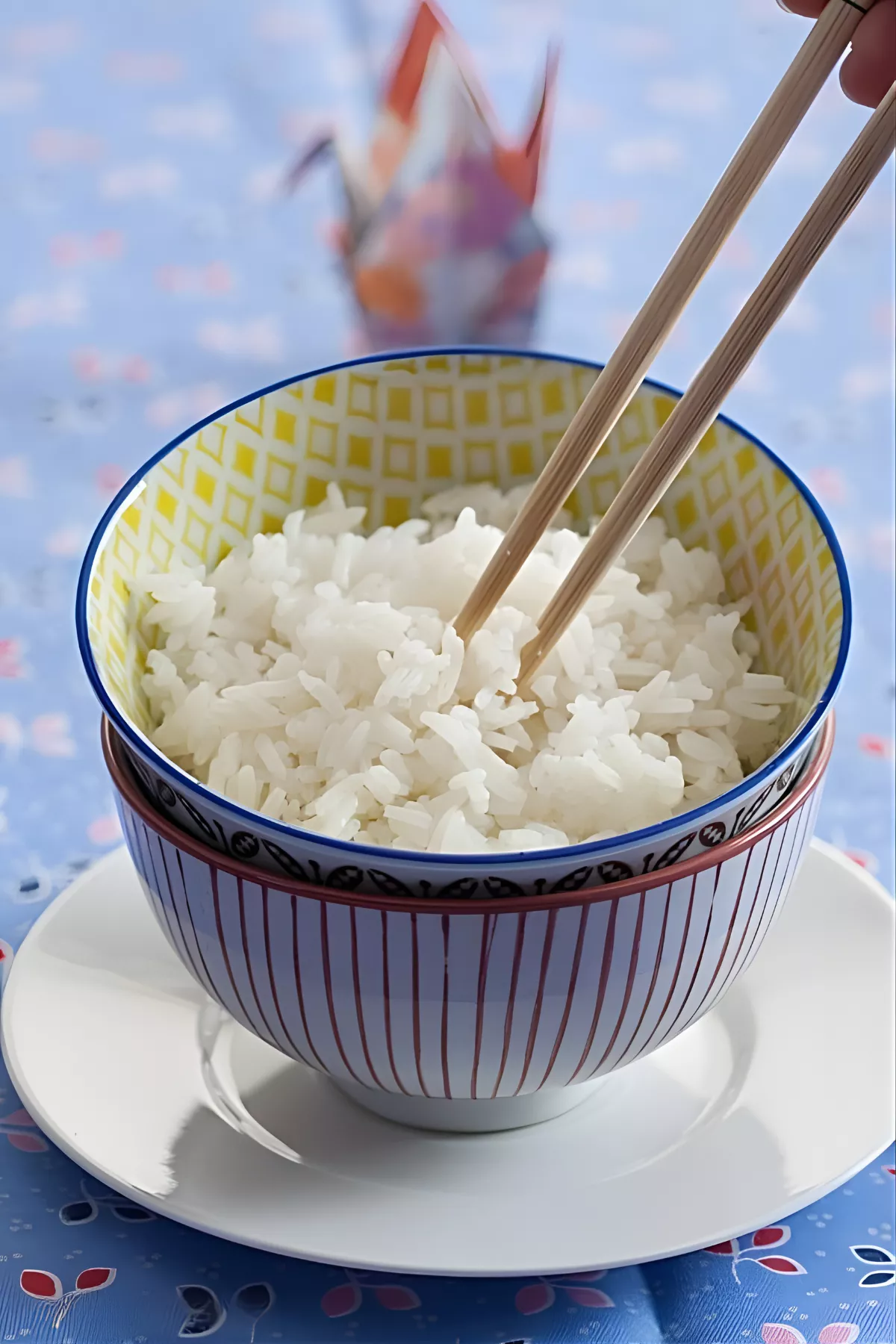
I know this post on How to Cook Long Grain Rice might seem simple, but many people aren’t sure how to make it properly.
I was one of them until I met my husband. Italians usually cook short-grain rice for risotto, soups, or salads, and we boil it in water the same way we cook pasta.
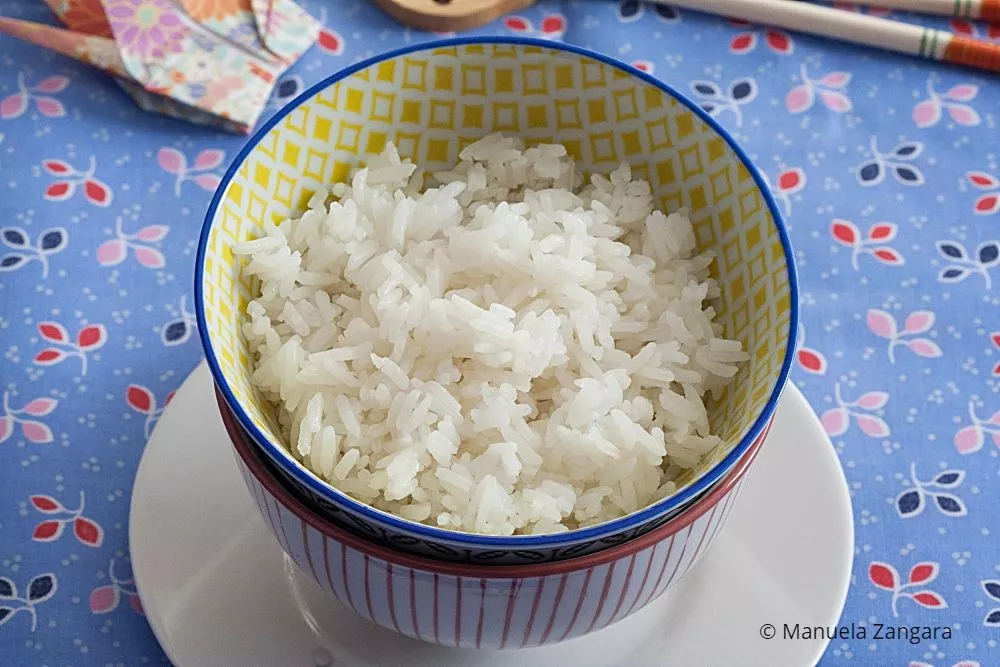
You can do that with long grain rice too, but when it’s cooked properly, it makes all the difference. Fluffy, separate grains can turn a plain meal into something special.
My favourite way is the absorption method. It’s easy, reliable, and gives complete control over water and cooking time. The rice comes out tender without being sticky.
I don’t always rinse jasmine rice, as I sometimes prefer a softer texture, but that depends on taste. The same method works for basmati rice with a slightly different ratio.
Why This Stovetop Method Is a Keeper
- The classic absorption method makes cooking easy to follow and dependable every single time.
- Rice cooks evenly from top to bottom without burning or sticking to the base of the pot.
- Each grain stays separate and tender, creating the perfect foundation for a variety of meals.
Key Ingredients for How to Cook Long Grain Rice
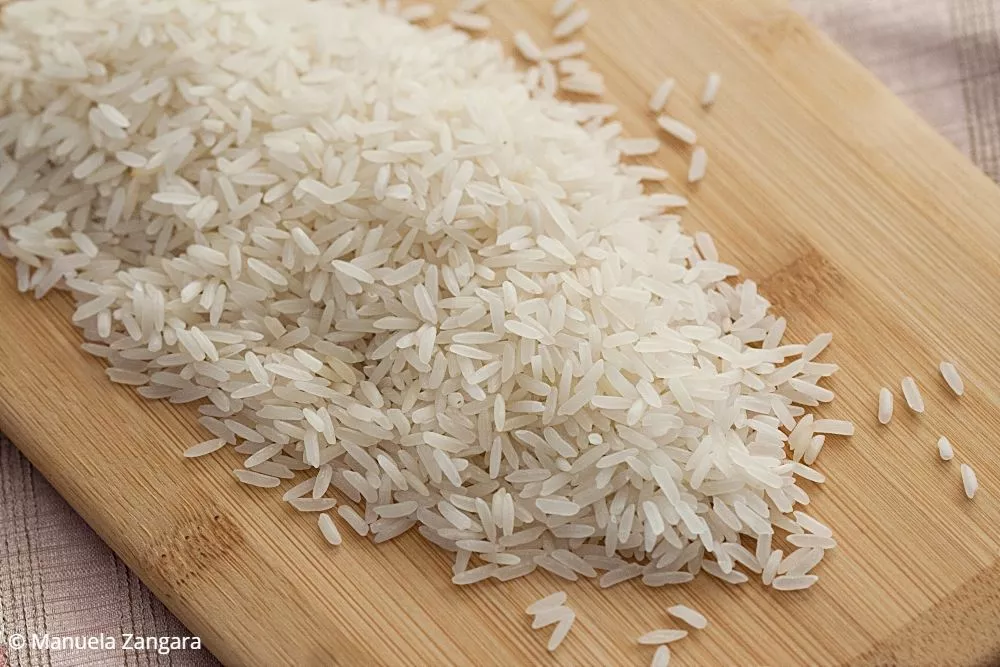
Jasmine Rice
A fragrant long-grain rice known for its soft texture and delicate aroma. It stays light and fluffy once cooked, with grains that remain separate rather than clumping together. Basmati or other long-grain varieties can be used too, but jasmine rice gives a particularly tender finish.
Water
The right amount of water is key to this method. Too much makes the rice heavy and sticky, while too little leaves it undercooked. The precise ratio in this recipe gives perfectly absorbed moisture and an even texture from top to bottom.
Salt
A small amount of salt brings balance and enhances the rice’s natural sweetness. It also seasons the water evenly so every grain takes on flavour during cooking.
Find the complete list with measurements in the recipe card below.
How to Cook Long Grain Rice
Step 1: Rinse the rice three times in cold water to remove excess starch. You can skip this step for a slightly stickier texture.
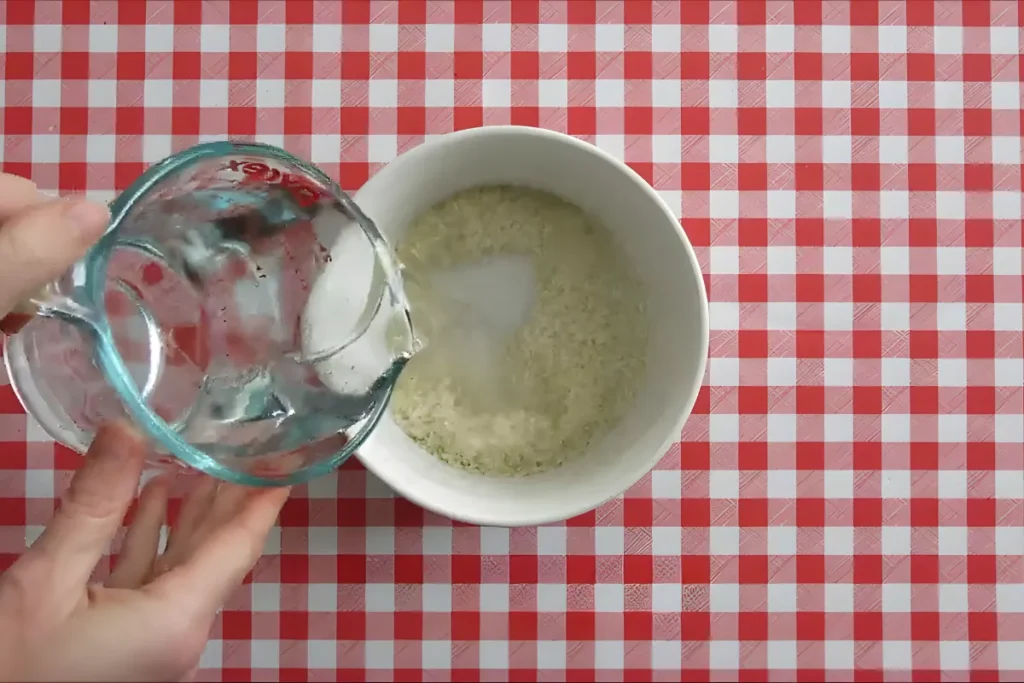
Step 2: Place the washed rice in a pot. Add the water, salt, and oil. Stir to combine.
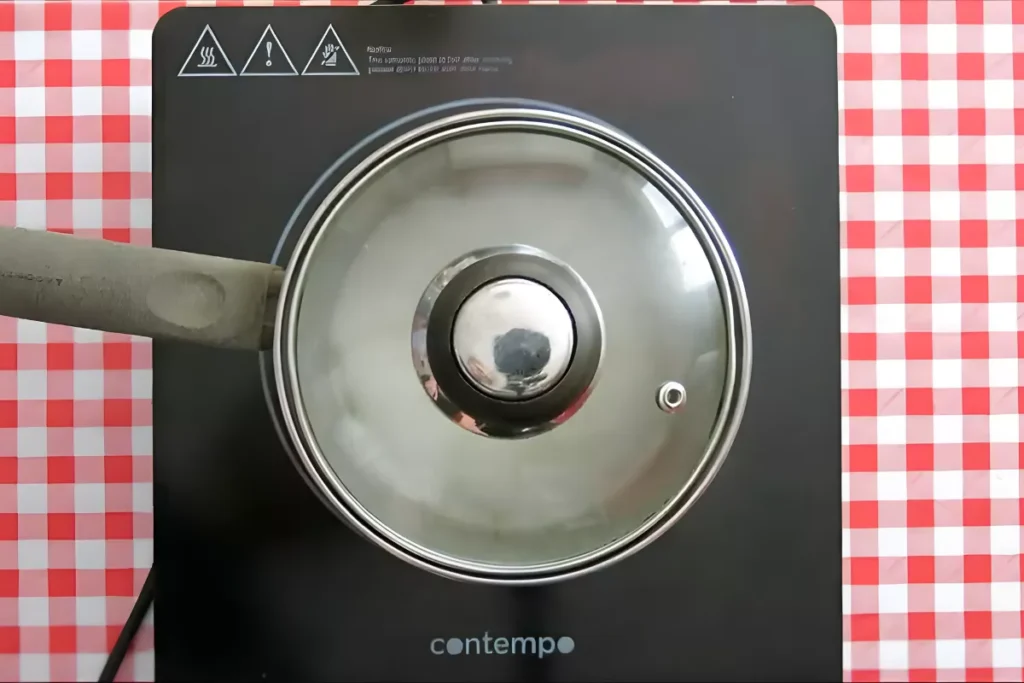
Step 3: Bring the water to a boil. Cover the pot, then reduce the heat to low. Simmer for 15 minutes, or until all the water has been absorbed. Remove from the heat.
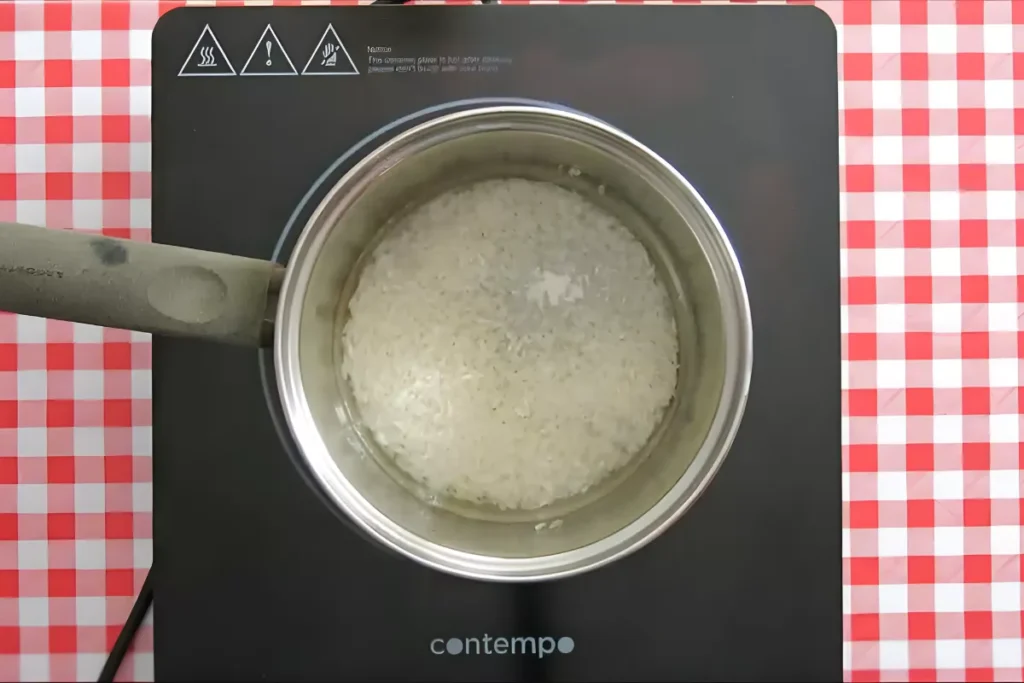
Step 4: Keep the pot covered for 5 minutes to let the steam finish cooking the rice.
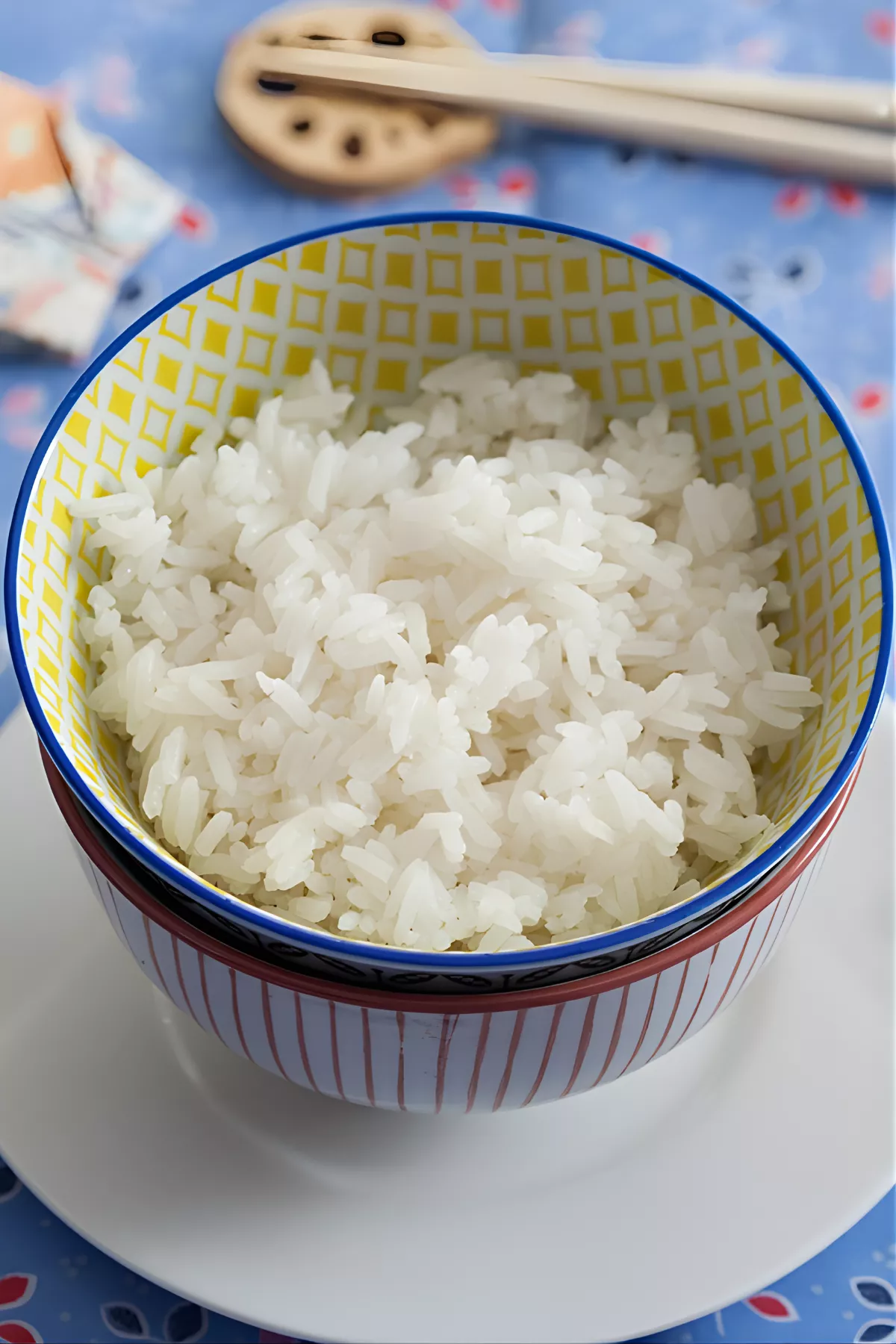
Step 5: Fluff gently with a fork and serve.
Frequently Asked Questions
Rinsing removes surface starch and helps the grains stay separate. It’s optional, but I prefer doing it when I want lighter, fluffier rice.
Yes, butter gives a richer flavour and soft finish. Melt it with the water before boiling so it coats the grains evenly.
The heat is likely too high or the water ratio slightly off. Keep the temperature low once covered and use a heavy-bottomed pot to prevent scorching.
Yes. Double both the rice and water while keeping the same ratio. Use a larger pot and cook as usual until all the liquid is absorbed.
Extra Help from the Kitchen
Use the Right Lid – Choose a pot with a well-fitting lid so the steam stays trapped inside. Consistent steam is what allows the rice to cook evenly from top to bottom.
Try the Towel Trick – For even fluffier rice, place a clean tea towel between the pot and lid during the resting time to absorb excess moisture.
Let It Rest Undisturbed – Once the rice is cooked, leave it covered for a few minutes before fluffing. This short rest lets the remaining steam finish softening the grains without overcooking them.
Avoid Stirring While Cooking – Stirring breaks the grains and releases starch, which can make the rice sticky. Once the lid is on, leave it alone until it’s time to rest.
Test the Ratio First – Water absorption can vary slightly between brands and even batches of rice. Try the method once, then adjust the water next time if you prefer a drier or softer texture.
Variations and Twists
Basmati Rice – Use basmati instead of jasmine for a lighter texture and subtle aroma. Reduce the simmer time slightly so the grains stay firm and separate.
Coconut Rice – Replace half of the water with coconut milk and leave out the oil. The rice becomes tender and fragrant, perfect with seafood or mild curries.
Garlic Rice – Add a crushed garlic clove to the pot before simmering for a gentle savoury note that pairs well with grilled meats and vegetables.
Butter Rice – Swap vegetable oil for butter to give the rice a richer flavour and smooth finish, ideal alongside roasted meats or fish.
Lemon Rice – Stir through lemon zest and a drizzle of olive oil after fluffing to add a clean, bright taste that complements Mediterranean dishes.
Storage and Shelf Life
Store the cooked rice in an airtight container in the refrigerator for up to 3 days. Reheat it with a splash of water in the microwave or on the stove over low heat until steaming hot. For longer storage, freeze in small portions for up to 1 month.
Reheat from frozen with a little water, stirring occasionally until warmed through. Always discard any rice left at room temperature for more than 2 hours.
What to Serve with Long Grain Rice
How to Cook Long Grain Rice Recipe
Light, fluffy, and evenly cooked, this stovetop method shows How to Cook Long Grain Rice perfectly every time using simple ingredients and the traditional absorption technique for soft, separate grains.
Ingredients
- 2 ¾ cups water
- 1 ½ cups jasmine rice
- 1 tsp salt
- 1 tsp vegetable oil
Instructions
-
Rinse the rice three times in cold water to remove excess starch. You can skip this step for a slightly stickier texture.
-
Place the washed rice in a pot. Add the water, salt, and oil. Stir to combine.
-
Bring the water to a boil. Cover the pot, then reduce the heat to low. Simmer for 15 minutes, or until all the water has been absorbed. Remove from the heat.
-
Keep the pot covered for 5 minutes to let the steam finish cooking the rice.
-
Fluff gently with a fork and serve.
Recipe Notes
- I don’t always rinse jasmine rice, as I sometimes prefer it slightly stickier for certain dishes.
- The measurements in this recipe are ideal for jasmine rice, but treat them as a guide. Always check the packet instructions since different brands may vary slightly.
- Basmati rice requires a different water ratio, though the same absorption method works perfectly for it too.
[mailerlite_form form_id=1]

Love travelling as much as cooking?
Many of the recipes I share are inspired by places I’ve visited around the world. On Travel with Manu you’ll find destination guides, itineraries and travel inspiration to help you plan your next adventure.












Leave a Reply