

These Pineapple Pork Ribs combine tender pork with sweet pineapple, rich coconut, warm spices, and a homemade barbecue sauce for a fun change from regular ribs.
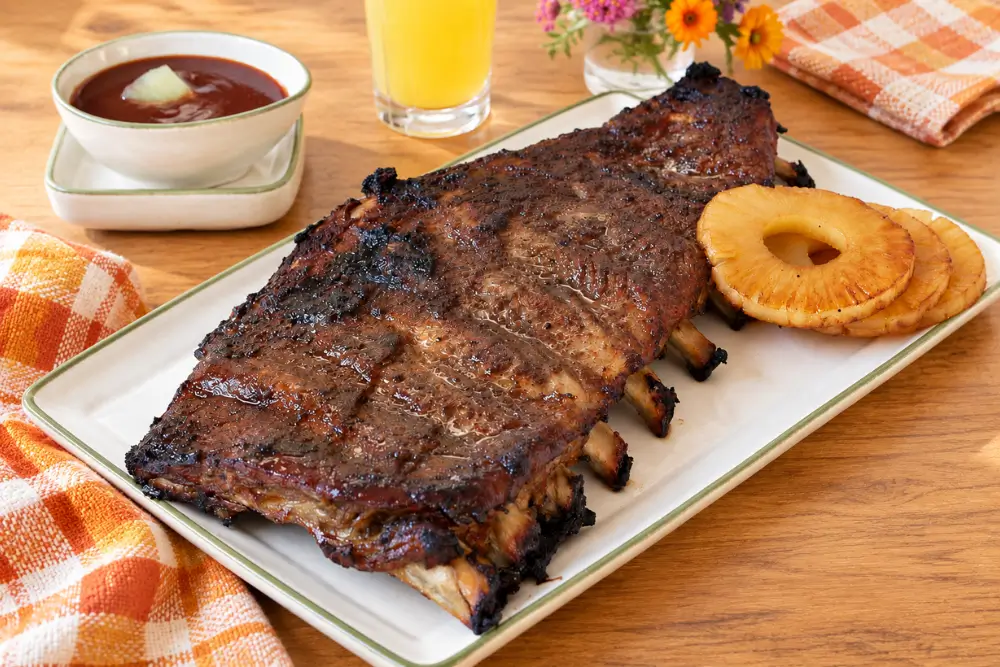
This recipe started with a few leftovers I wanted to use up. I had a nice rack of pork spare ribs in the freezer, so I gathered what I had in the fridge and built a recipe from there. I also did some research on the web and saw these unusual pairings could work, so I went ahead and gave them a try.
That’s how these Pineapple Pork Ribs came together, with pineapple and coconut adding a sweet and tangy flavour to the tender pork and a little chilli for some heat.
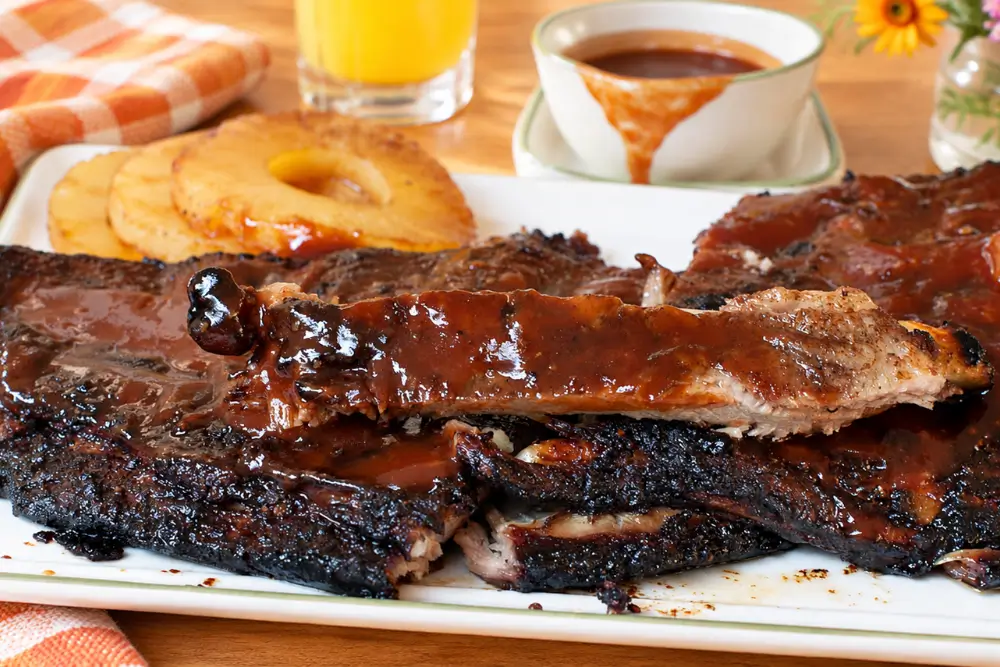
We were all pleasantly surprised, especially by the pineapple and coconut barbecue sauce. It went so well with the ribs, and I think it’d be delicious with other barbecued meats too.
In the end, I used up my leftovers, and we enjoyed a delicious meal. It’s a pretty good way to use what I already had in the kitchen. Enjoy!
Reasons to Make Pineapple Pork Ribs
- Can be served with rice, salad, or vegetables, making it easy to plan a simple meal around the ribs.
- Makes a generous main dish from one rack, which is handy when you’re feeding several people.
- Gives you a break from the usual chicken, pasta, or roast options in your regular dinner rotation.
Key Ingredients for Pineapple Pork Ribs with Coconut Glaze
Pork Spare Ribs
Pork spare ribs have a rich, savoury flavour and become tender and juicy during cooking. Look for a meaty rack with fairly even thickness and a good distribution of fat.
Pineapple and Coconut Juice
Pineapple and coconut juice has fruity sweetness, pineapple tang, and a creamy coconut flavour. It gives the ribs their tropical profile and complements the richness of the pork.
Coconut Cream
Coconut cream has a rich texture and a more concentrated coconut taste than coconut milk. Choose a thick coconut cream for the creamy consistency used in the marinade.
Spices
Allspice, garlic powder, onion powder, black pepper and chilli powder give the pork savoury, earthy and warm flavours with mild heat. The allspice also brings hints of clove, cinnamon and pepper.
Worcestershire Sauce
Adds a savoury, salty flavour and a mild tang to the barbecue sauce. It gives the sauce more depth alongside the sweeter ingredients.
Find the complete list with measurements in the recipe card below.
How to Make Pineapple Pork Ribs with Coconut Glaze
Marinate and Season the Ribs
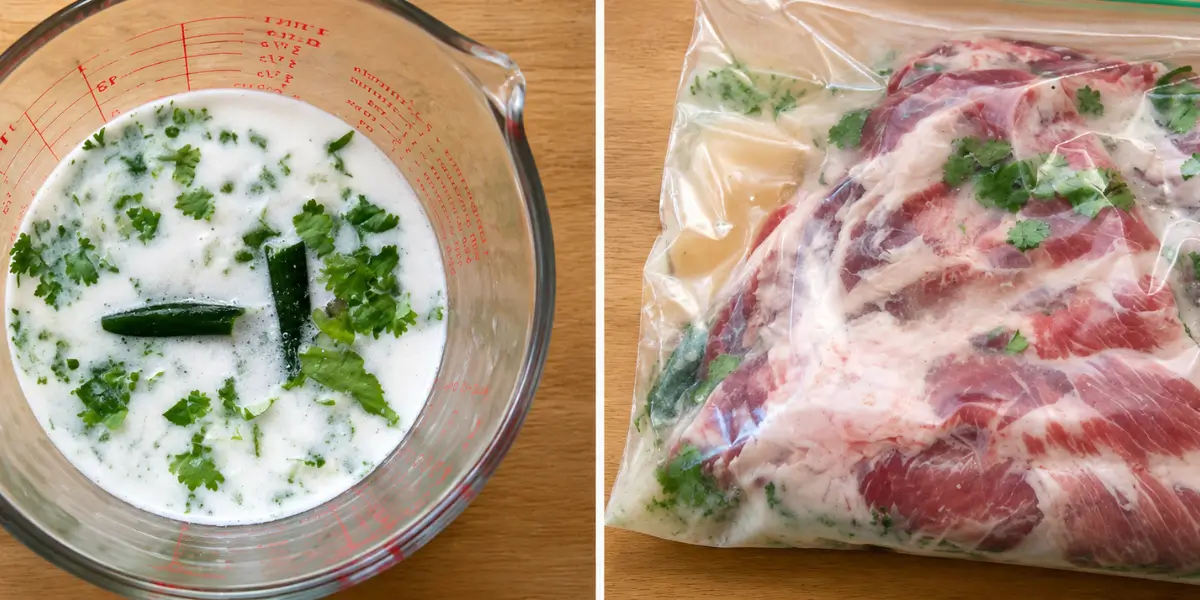
Step 1: Mix all the marinade ingredients together.
Step 2: Trim the rack of pork spare ribs. Place the ribs and marinade in a large Ziploc bag and marinate in the fridge for 2 hours.
Step 3: Mix all the dry seasoning ingredients together and set aside.
Make the Pineapple and Coconut Glaze
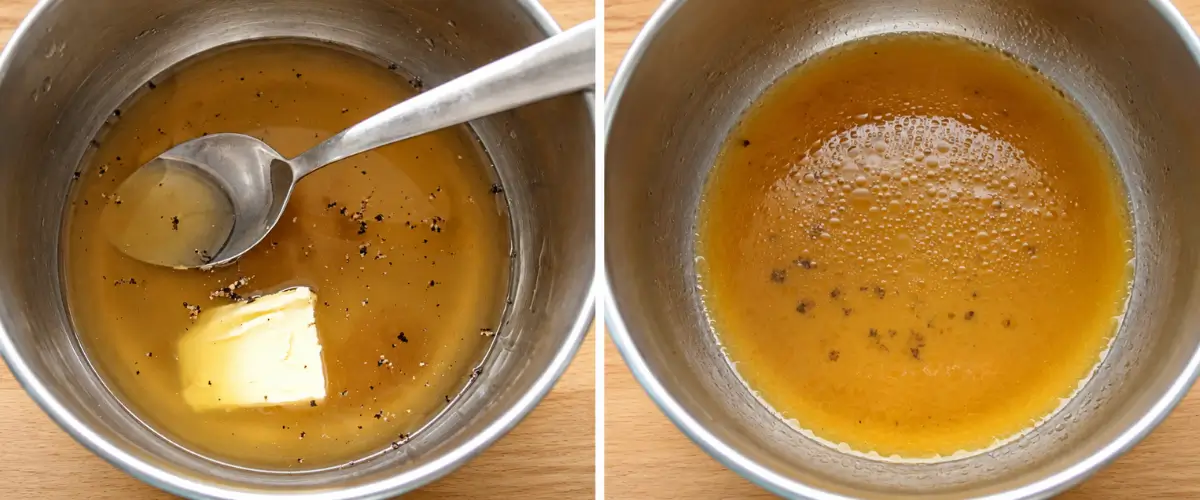
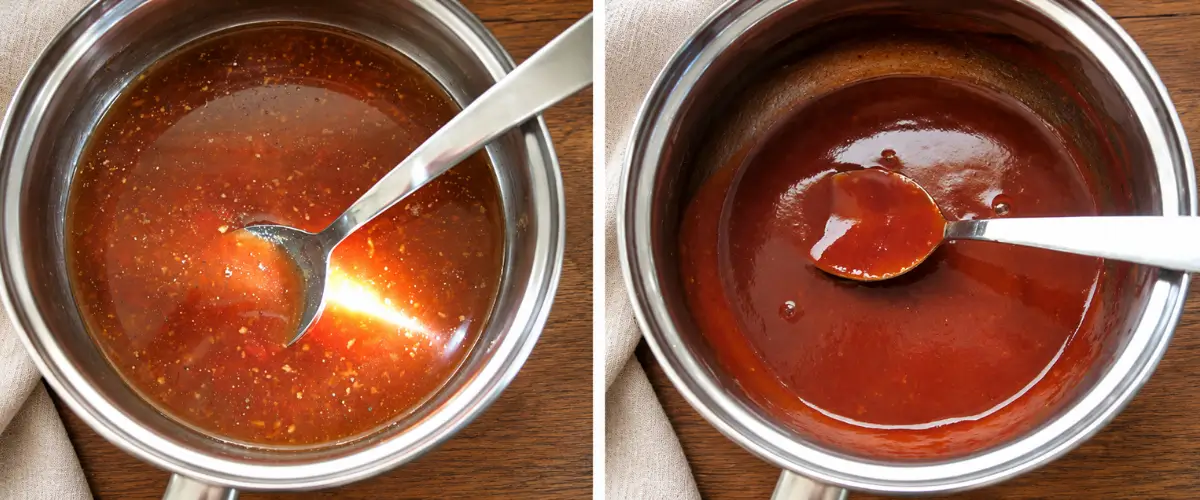
Step 1: Place the pineapple and coconut juice, vinegar, sugar, butter, salt, and pepper in a saucepan. Bring to a boil and cook until syrupy, about 10 to 15 minutes, stirring occasionally with a wooden spoon.
Cook the Ribs
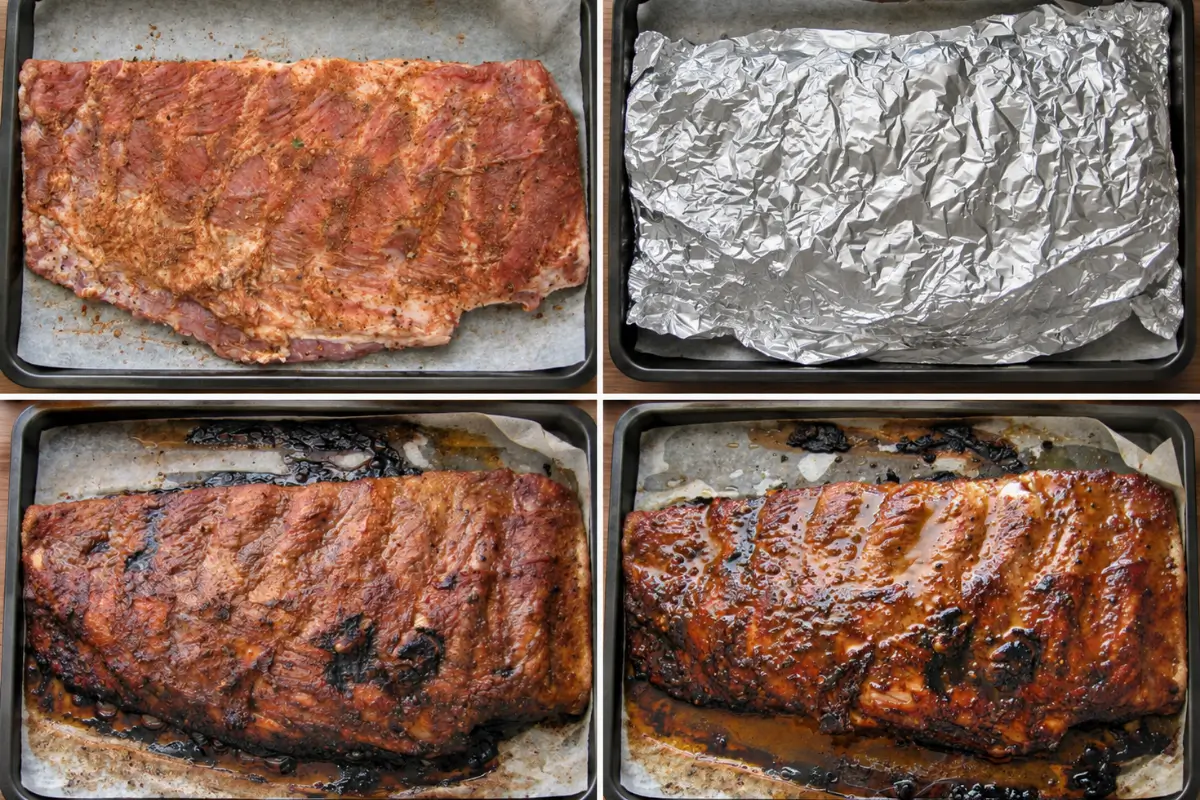
Step 1: After 2 hours, remove the ribs from the marinade, pat them dry, and rub them with the dry seasoning.
Step 2: Place the ribs in a baking dish, meat-side up. Cover tightly with aluminium foil and cook in a preheated oven at 180°C – 355°F for 1 ½ hours.
Step 3: Turn the ribs over, baste them with the glaze, and broil at 200°C – 395°F for 5 minutes. Turn the ribs again, baste with more glaze, and broil for another 5 minutes.
Make the Barbecue Sauce and Serve
Step 1: Mix all the pineapple and coconut barbecue sauce ingredients together in a saucepan. Cook for about 10 minutes, or until the sauce thickens, then allow it to cool.
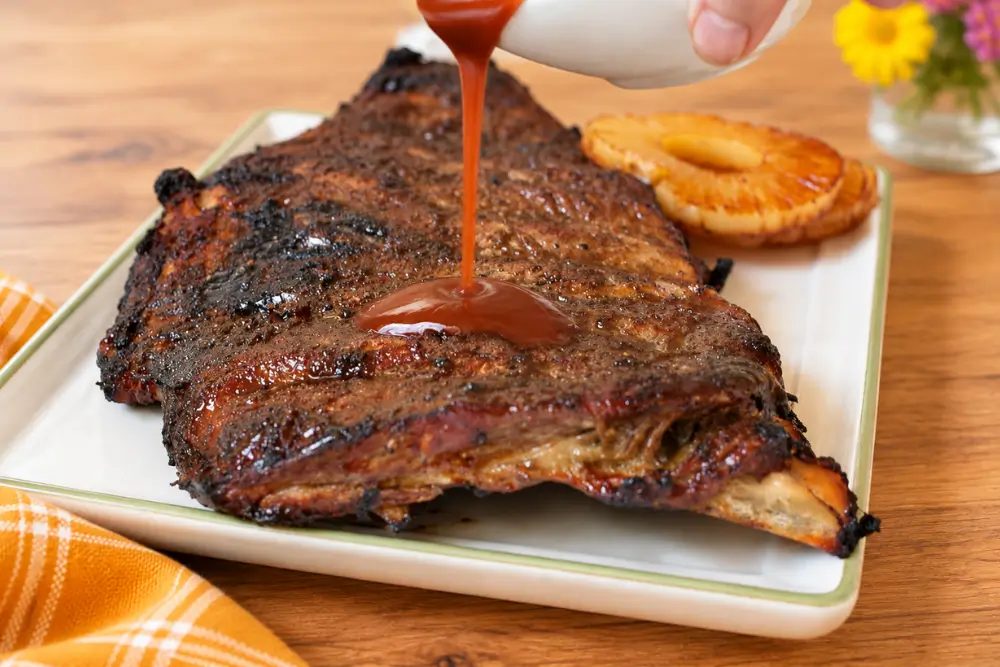
Step 2: Serve the ribs hot, generously drizzled with the pineapple and coconut barbecue sauce.
Frequently Asked Questions
Yes, but you’ll need to adjust the cooking time. Baby back ribs are smaller and leaner than spare ribs and generally cook faster. Start checking them before the full 1 ½-hour oven time and continue cooking until the ribs are tender.
Yes. Use unsweetened pineapple juice if available, especially since the glaze and barbecue sauce already contain brown sugar. Avoid pineapple juice with added sugar, as it can make the finished sauces sweeter than intended.
Check that the ribs have completed the covered oven cooking stage and are tender before moving on to glazing and broiling. The broiler is used for the final 5-minute periods to cook the glaze onto the ribs, not to finish cooking the pork from raw.
Extra Help from the Kitchen
Check the Rack for Excess Fat – Trim away any unusually thick pieces of surface fat before marinating so the seasoning and glaze have more direct contact with the pork.
Coat the Ribs Evenly – Rub the dry seasoning over both sides of the rack, paying attention to the edges and thinner sections rather than concentrating it in one area.
Use a Wide Saucepan for the Glaze – Choose a saucepan with enough surface area for the liquid to reduce steadily. A wider pan can help the glaze reach its syrupy consistency within the stated cooking time.
Brush the Glaze Over the Exposed Surface – Spread each layer of glaze across the ribs rather than pouring it into the baking dish. This keeps more of the pineapple and coconut mixture on the pork during broiling.
Adjust the Sauce Consistency – Thin the barbecue sauce with a small splash of pineapple and coconut juice if it becomes too thick as it cools. Add it gradually to avoid making the sauce runny.
Variations and Twists
Sweeten with Apricot – Stir a little apricot jam into the glaze and cut back on the brown sugar. The apricot makes the pineapple flavour fruitier and leaves the glaze slightly thicker and stickier.
Season with Chinese Five-Spice – Swap the allspice for Chinese five-spice. Cinnamon, clove, fennel and star anise bring a warmer spice flavour that suits the pork, pineapple and chilli.
Try a Huli Huli-Style Barbecue Sauce – Mix honey and minced garlic into the barbecue sauce, then reduce the brown sugar slightly. Pineapple, ginger, soy and garlic make the sauce sweeter and more savoury, with more warmth from the ginger and garlic.
Serve with Pineapple Pieces – Spoon drained pineapple tidbits over the finished ribs with the barbecue sauce. They bring more fruity sweetness and a juicy texture alongside the sticky ribs.
Give the Sauce a Teriyaki Twist – Swap the Worcestershire and soy sauce for teriyaki sauce. It makes the barbecue sauce sweeter and more savoury, so cut back on the brown sugar if needed.
Storage and Shelf Life
Store leftover Pineapple Pork Ribs in an airtight container in the fridge within 2 hours of cooking and eat them within 3 to 4 days.
For longer storage, freeze the cooled ribs in a freezer-safe container for up to 3 months for best quality, then thaw them overnight in the fridge.
Reheat the ribs in a covered ovenproof dish at 180°C – 350°F until hot throughout and the centre reaches 74°C – 165°F, starting to check them after 15 to 20 minutes.
Keep any leftover pineapple and coconut barbecue sauce in a separate covered container and warm it gently before serving.
Try These Pork Recipes Next
- Balsamic, Maple & Miso Glazed Pork Spare Ribs
- Chinese Sweet and Sour Pork Meatballs
- Pork Stir Fry with Garlic, Onions and Chilli
- Honey and Ginger Pork Stir Fry
Pineapple Pork Ribs with Coconut Glaze Recipe
Ingredients
- 1 rack of pork spare ribs – approximately 1 kg – 2.2 lb
Marinade
- 250 ml – 1 cup pineapple and coconut juice
- 2 tbsp coconut cream
- 2 tbsp fresh coriander – chopped
- 1 green chilli
Dry Seasoning
- ¾ tbsp brown sugar
- ½ tbsp coarse salt
- ½ tbsp pepper
- ½ tbsp garlic powder
- ½ tbsp onion powder
- ½ tbsp ground allspice
- ¼ tsp chilli powder
Glaze
- 125 ml – ½ cup pineapple and coconut juice
- 1½ tbsp rice vinegar
- ¾ tbsp brown sugar
- ¾ tbsp butter
- salt and pepper
Pineapple and Coconut Barbecue Sauce
- 125 ml – ½ cup pineapple and coconut juice
- ¼ tsp chilli powder
- 1 tsp minced ginger
- 60 ml – ¼ cup ketchup
- ¾ tbsp rice vinegar
- ½ tbsp Worcestershire sauce
- ½ tbsp brown sugar
- 1 tsp soy sauce
- salt and pepper
Instructions
Marinate and Season the Ribs
- Mix all the marinade ingredients together.
- Trim the rack of pork spare ribs. Place the ribs and marinade in a large Ziploc bag and marinate in the fridge for 2 hours.
- Mix all the dry seasoning ingredients together and set aside.
Make the Pineapple and Coconut Glaze
- Place the pineapple and coconut juice, vinegar, sugar, butter, salt, and pepper in a saucepan. Bring to a boil and cook until syrupy, about 10 to 15 minutes, stirring occasionally with a wooden spoon.
Cook the Ribs
- After 2 hours, remove the ribs from the marinade, pat them dry, and rub them with the dry seasoning.
- Place the ribs in a baking dish, meat-side up. Cover tightly with aluminium foil and cook in a preheated oven at 180°C – 355°F for 1 ½ hours.
- Turn the ribs over, baste them with the glaze, and broil at 200°C – 395°F for 5 minutes. Turn the ribs again, baste with more glaze, and broil for another 5 minutes.
Make the Barbecue Sauce and Serve
- Mix all the pineapple and coconut barbecue sauce ingredients together in a saucepan. Cook for about 10 minutes, or until the sauce thickens, then allow it to cool.
- Serve the ribs hot, generously drizzled with the pineapple and coconut barbecue sauce.

Love travelling as much as cooking?
Many of the recipes I share are inspired by places I’ve visited around the world. On Travel with Manu you’ll find destination guides, itineraries and travel inspiration to help you plan your next adventure.














In the instructions for pineapple,coconut ribs It calls out for half a cup of pineapple juice and coconut juice. Is that a half cup of each or quarter cup each ?????
Thanks in advance
Jim C
I had a mixed juice. If you are using two separate juice, then it’s 1/4 cup each. 🙂
Very nice indeed! A funny thing, it is getting harder and harder to find pork ribs here in the US. Not sure why—this photo reminds me how much I miss them!