

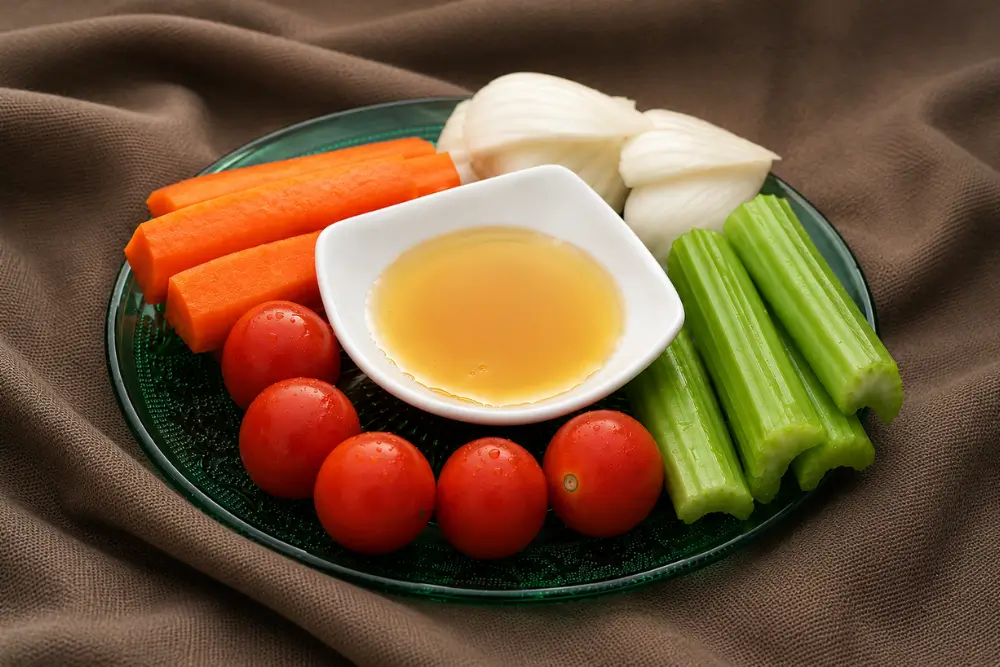
Pinzimonio is a traditional Italian crudités platter served with olive oil and vinegar for dipping. It comes together in minutes and makes a fresh appetiser or colourful platter.
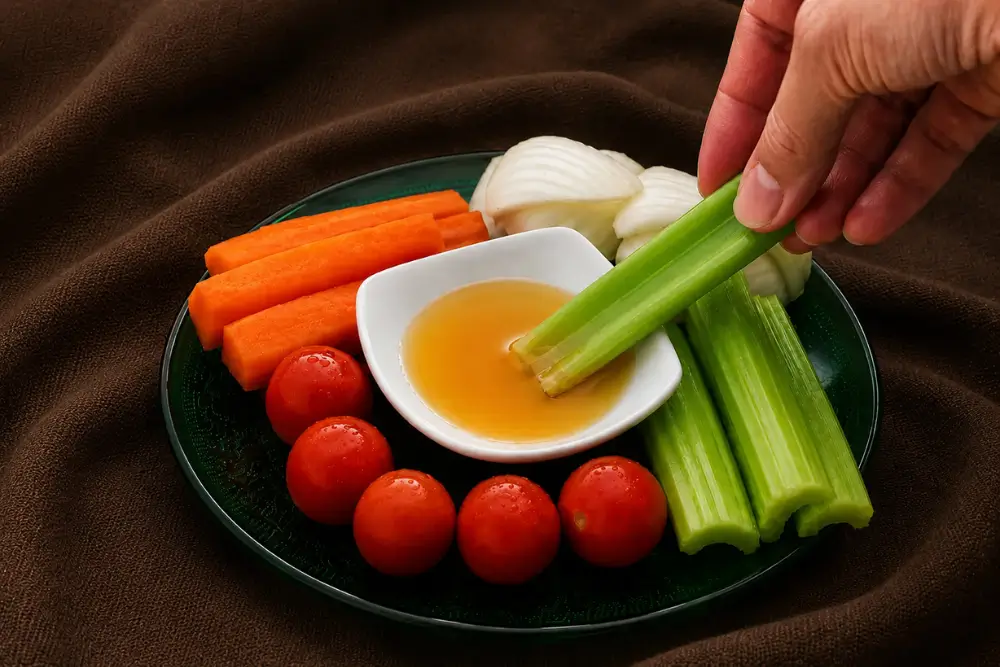
Pinzimonio is a traditional Italian recipe that’s more than just a dish. It’s a way of eating raw vegetables by dipping them into a simple vinaigrette.
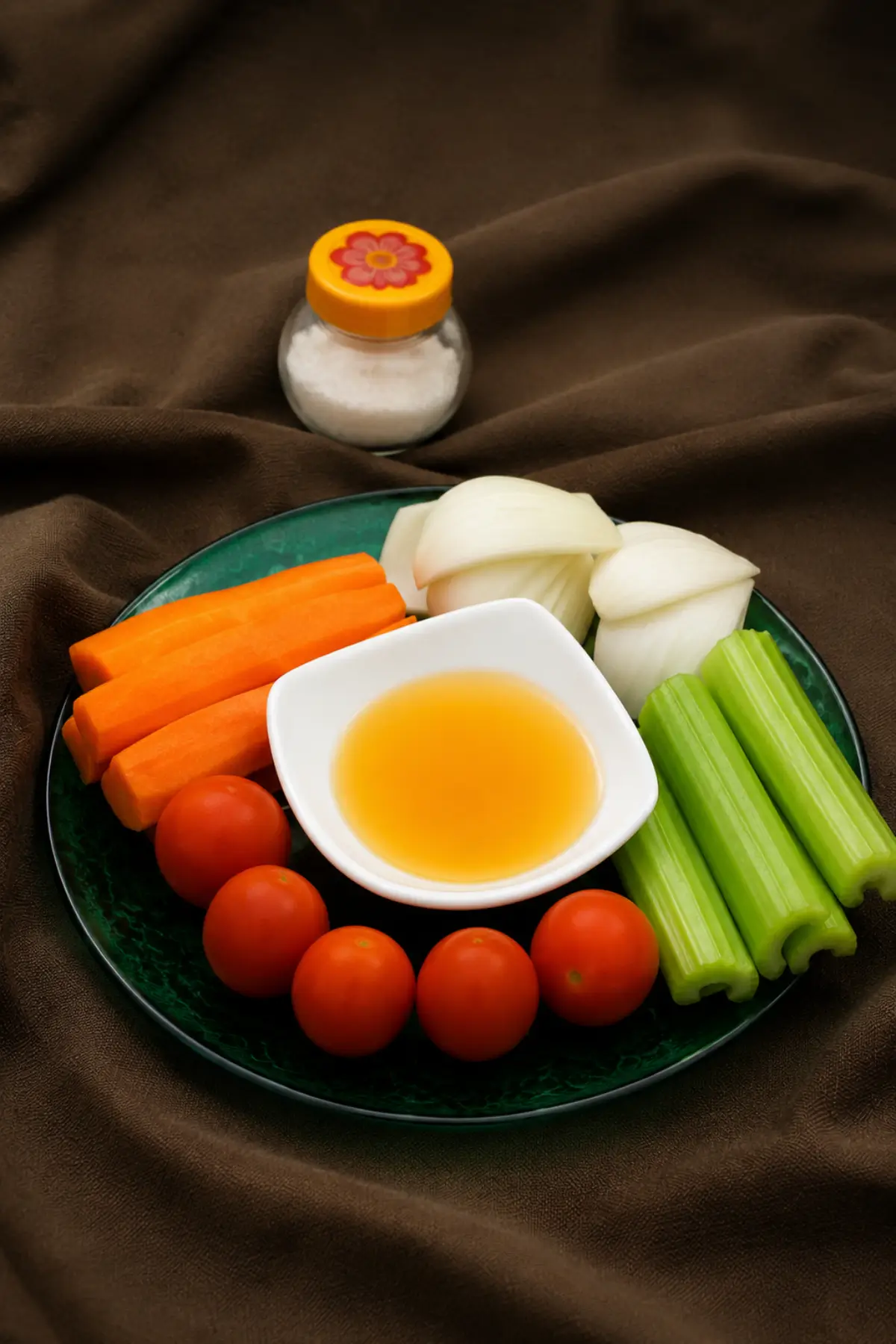
You can use whichever vegetables you prefer. I like to use carrot sticks, celery sticks, fennel, radishes, and cucumber sticks. It’s a very healthy appetiser or side dish that’s common in Italian homes.
If you’re serving it for family or a group of friends, I suggest arranging all the vegetables on a large platter in the middle of the table and giving each person their own small bowl for the vinaigrette.
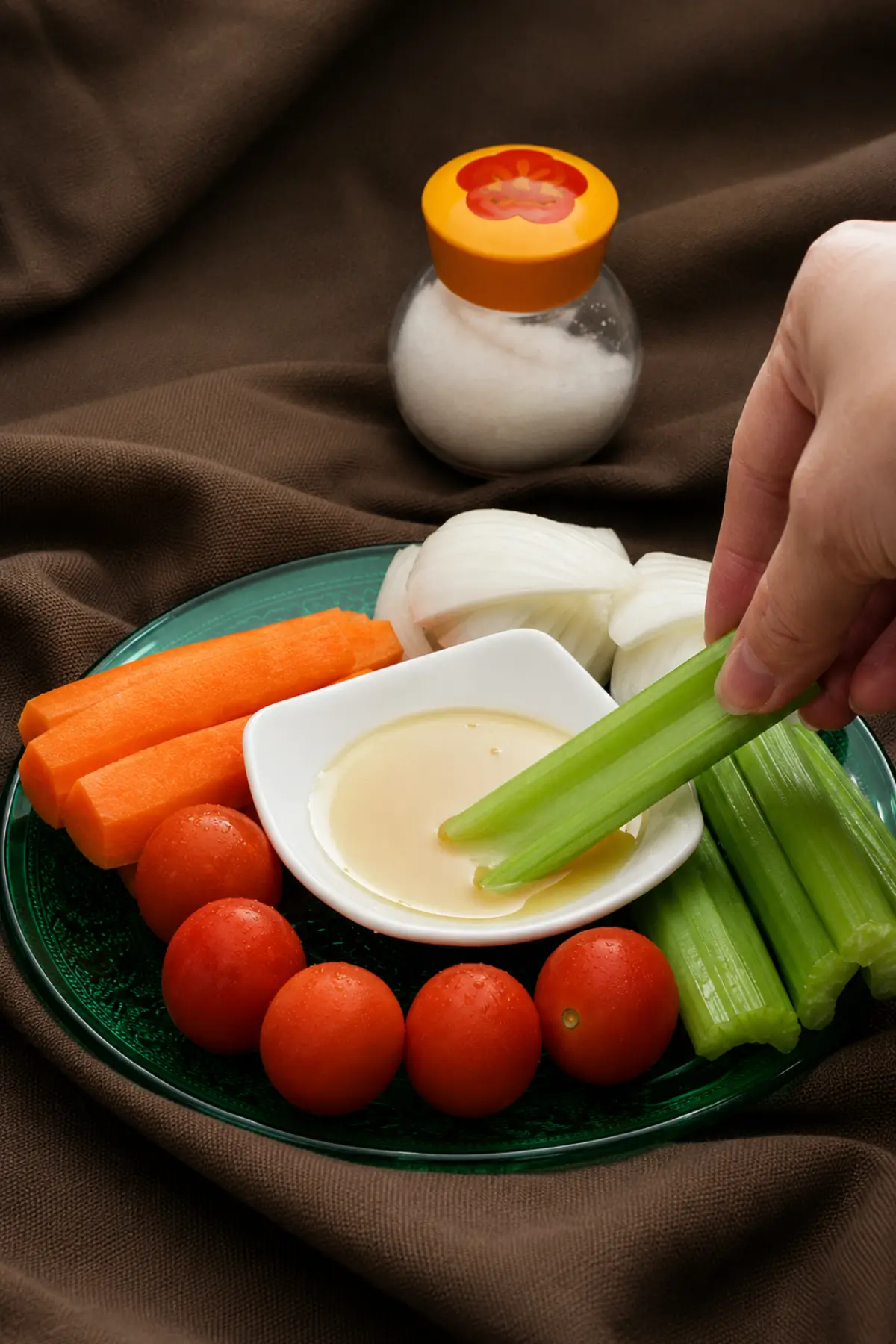
It makes the meal feel relaxed and informal, which is exactly how this dish is meant to be enjoyed. It also creates a colourful platter that looks lovely on the table.
Buon appetito!
Key Ingredients for Pinzimonio
Extra Virgin Olive Oil
Extra virgin olive oil gives the vinaigrette a smooth texture and rounded flavour. Since the dressing is served uncooked, using a good quality olive oil with a fresh and delicate taste makes a noticeable difference.
Red Wine Vinegar
Red wine vinegar brings acidity and freshness to the vinaigrette. It lifts the flavour of the raw vegetables and gives the dressing a sharper finish.
Fresh Vegetables
Carrots, celery, fennel, and cherry tomatoes create a mix of crunch, sweetness, freshness, and slight juiciness. Choose vegetables that feel firm and look vibrant since raw vegetables keep all their natural texture and flavour in this dish.
Find the complete list with measurements in the recipe card below.
How to Make Pinzimonio
Step 1: Make the pinzimonio vinaigrette by mixing the extra virgin olive oil, red wine vinegar, and salt in a small bowl.
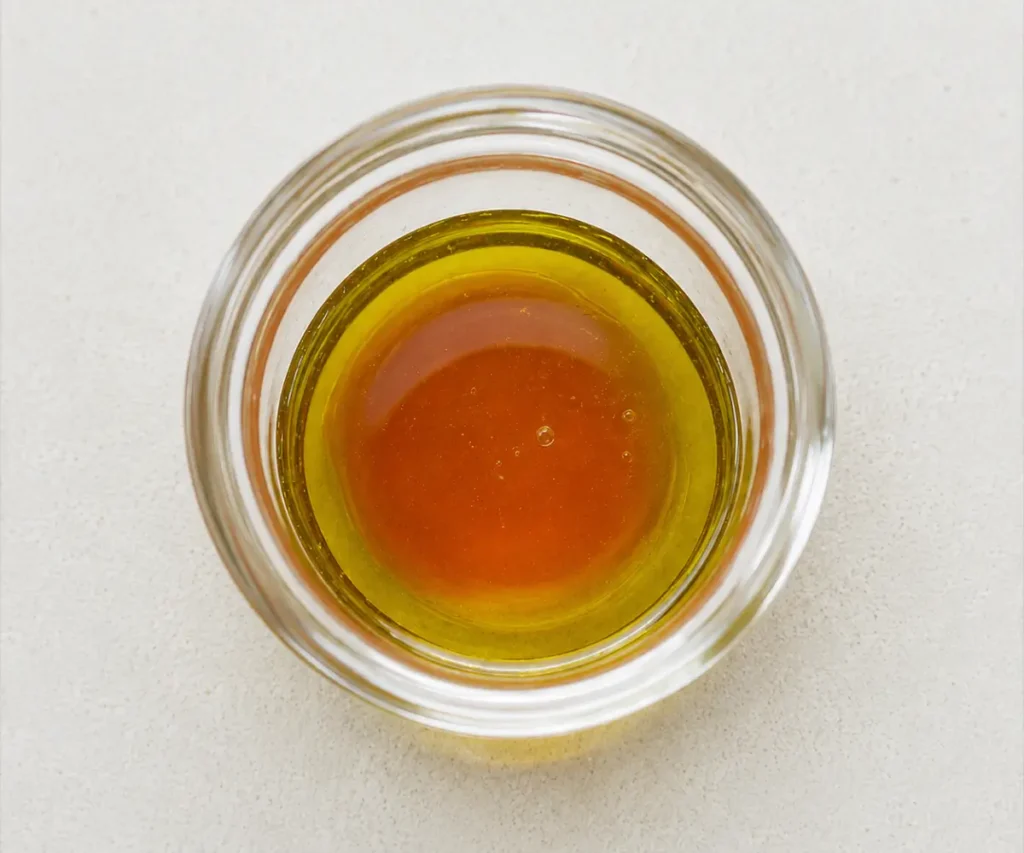
Step 2: Serve as a dip for the vegetables.
Frequently Asked Questions
Crisp vegetables such as carrots, celery, fennel, radishes, cucumbers, and peppers work particularly well because they keep their texture when dipped into the vinaigrette.
Yes, white wine vinegar or a small amount of balsamic vinegar can be used instead of red wine vinegar. Each option gives the dressing a slightly different flavour.
The vinaigrette can be stored in a sealed jar in the fridge for up to 3 days. Whisk or shake it again before serving because the oil and vinegar naturally separate over time.
Yes, you can use seasoned olive oil to give the vinaigrette extra flavour. Garlic-infused, chilli-infused, or herb-infused oils work well with raw vegetables, but milder flavours usually work best for this dish.
Extra Help from the Kitchen
Pat the Vegetables Dry – After washing the vegetables, dry them thoroughly with a clean kitchen towel or paper towel. Removing excess water helps the vinaigrette coat the vegetables properly instead of sliding off.
Use Good Quality Olive Oil – Taste the olive oil before making the vinaigrette to check its flavour. Since the dressing is served uncooked, a smoother and more balanced olive oil gives better results.
Slice Fennel Thinly but Not Too Thin – Cut the fennel into thin slices using a sharp knife to keep a crisp texture and a clean shape on the platter. Slightly thicker slices also hold the vinaigrette better when dipped.
Season the Vinaigrette Gradually – Add a small amount of salt first, whisk, then taste before adding more. This helps keep the dressing balanced and prevents the vinegar from tasting too harsh.
Serve the Vinaigrette at Room Temperature – Take the olive oil out of the fridge before preparing the dressing if it has been chilled. Olive oil at room temperature has a smoother texture and fuller flavour.
Variations and Twists
Add Lemon and Black Pepper – Swap the red wine vinegar for fresh lemon juice, then add freshly ground black pepper to the extra virgin olive oil. This keeps the dip sharp and fresh while pairing well with carrot sticks, celery, fennel, and cherry tomatoes.
Use Radishes and Red Peppers – Add sliced radishes and red pepper strips to the vegetable platter to bring more crunch and colour while keeping the traditional style of the dish.
Add a Little Balsamic Vinegar – Replace part of the red wine vinegar with balsamic vinegar for a slightly sweeter vinaigrette. Pair it with fennel, radishes, celery, or endive so the flavours stay balanced.
Make It Spicier with Chilli – Add a pinch of chilli flakes to the olive oil and vinegar for a warmer finish. Sweeter vegetables such as carrots and cherry tomatoes balance the heat nicely.
Add Mustard for a Sharper Vinaigrette – Whisk a small amount of Dijon mustard into the olive oil and vinegar to create a slightly thicker and sharper dip. This works particularly well with carrots, cucumber, and celery.
Storage and Shelf Life
Store the vegetables in an airtight container in the fridge for up to 2 days. Keep the vinaigrette in a separate sealed jar or container in the fridge and whisk it again before serving because the oil and vinegar naturally separate over time.
I don’t recommend freezing Pinzimonio since the vegetables lose their crisp texture once thawed. Serve chilled straight from the fridge for the best texture and flavour.
Fresh Italian Starters and Dips
- Italian Grilled Vegetables
- Bruschetta with Eggplant and Matarocco
- Prosciutto and Melon Bites
- Green Olive Tapenade
Pinzimonio Recipe (Tuscan Crudités)
Equipment
Ingredients
Vegetables
- carrot sticks
- celery sticks
- fennel slices
- cherry tomatoes
Pinzimonio Vinaigrette
- 90 ml – 6 tbsp extra virgin olive oil
- 90 ml – 6 tbsp red wine vinegar
- salt – to taste
Instructions
- Make the pinzimonio vinaigrette by mixing the extra virgin olive oil, red wine vinegar, and salt in a small bowl.
- Serve as a dip for the vegetables.
Notes
This post may contain affiliate links. If you make a purchase through these links, I may earn a small commission at no extra cost to you.

Love travelling as much as cooking?
Many of the recipes I share are inspired by places I’ve visited around the world. On Travel with Manu you’ll find destination guides, itineraries and travel inspiration to help you plan your next adventure.
















Leave a Reply