

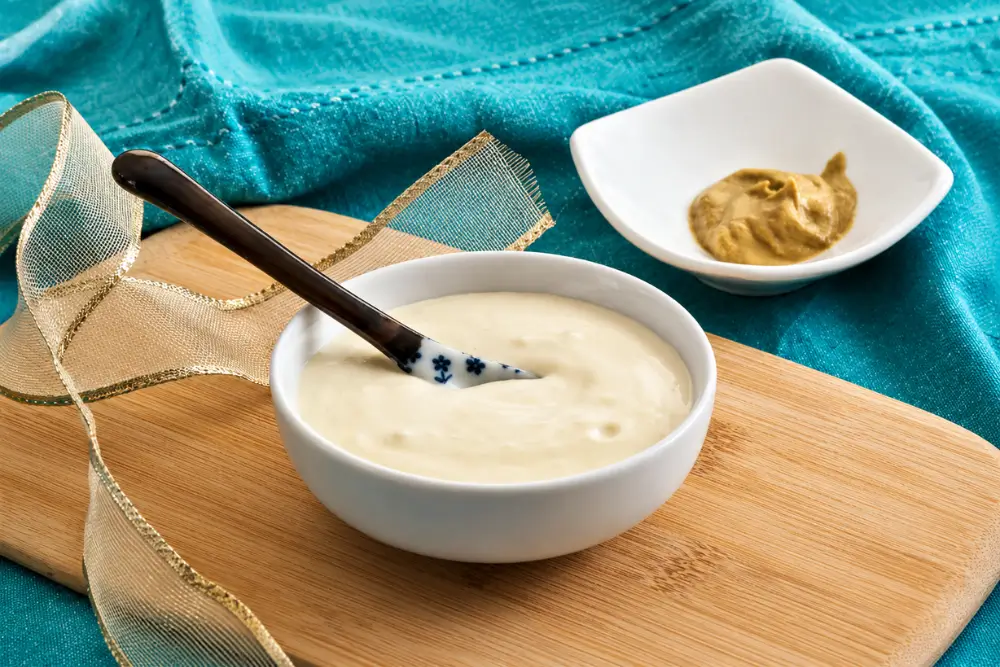
Homemade mayo always tastes better, especially with a mustard twist. This Low FODMAP Mustard Mayo comes together quickly and works well as a dip, spread, or sauce.
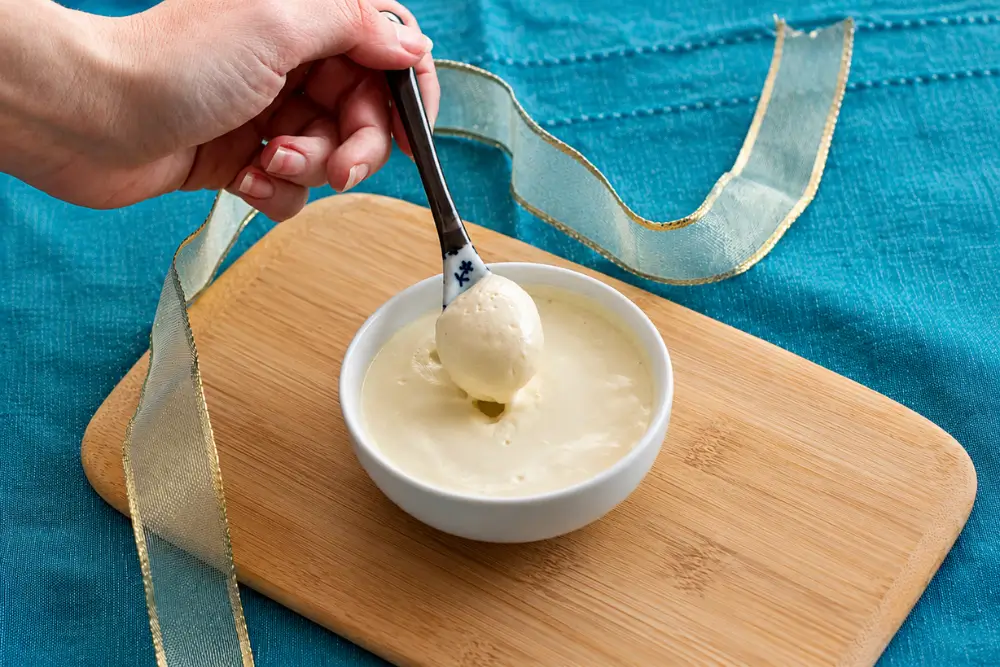
I love making my own condiments and sauces, and this Low FODMAP Homemade Mustard Mayo is one recipe I make often at home. It’s creamy, smooth, and has a gentle mustard kick that works perfectly in sandwiches and burgers.
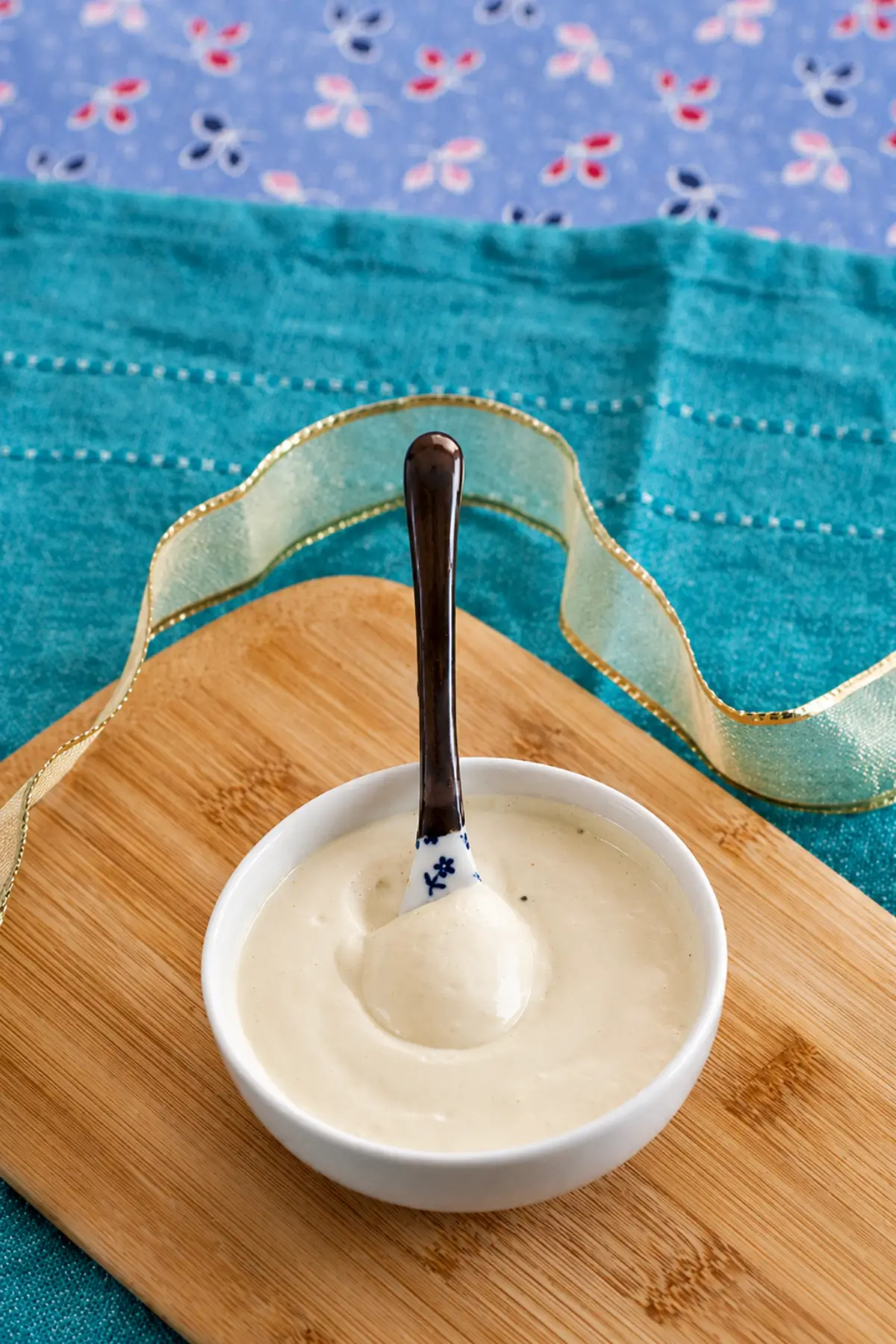
When you’re following a Low FODMAP diet, it can be difficult to find ready-made condiments that don’t contain onion or garlic, even in hidden forms. Sometimes the jar says “dried vegetables and spices” or uses other vague terms. In the end, I usually give up and leave them on the shelf.
Making my own means I know exactly what I am eating, with no stress attached. How good is that? And who would have thought homemade mayo could be so quick and easy to make? Especially when using a stick blender.
You can also adjust the mustard to your taste by adding a little extra for more heat or using less for a milder flavour.
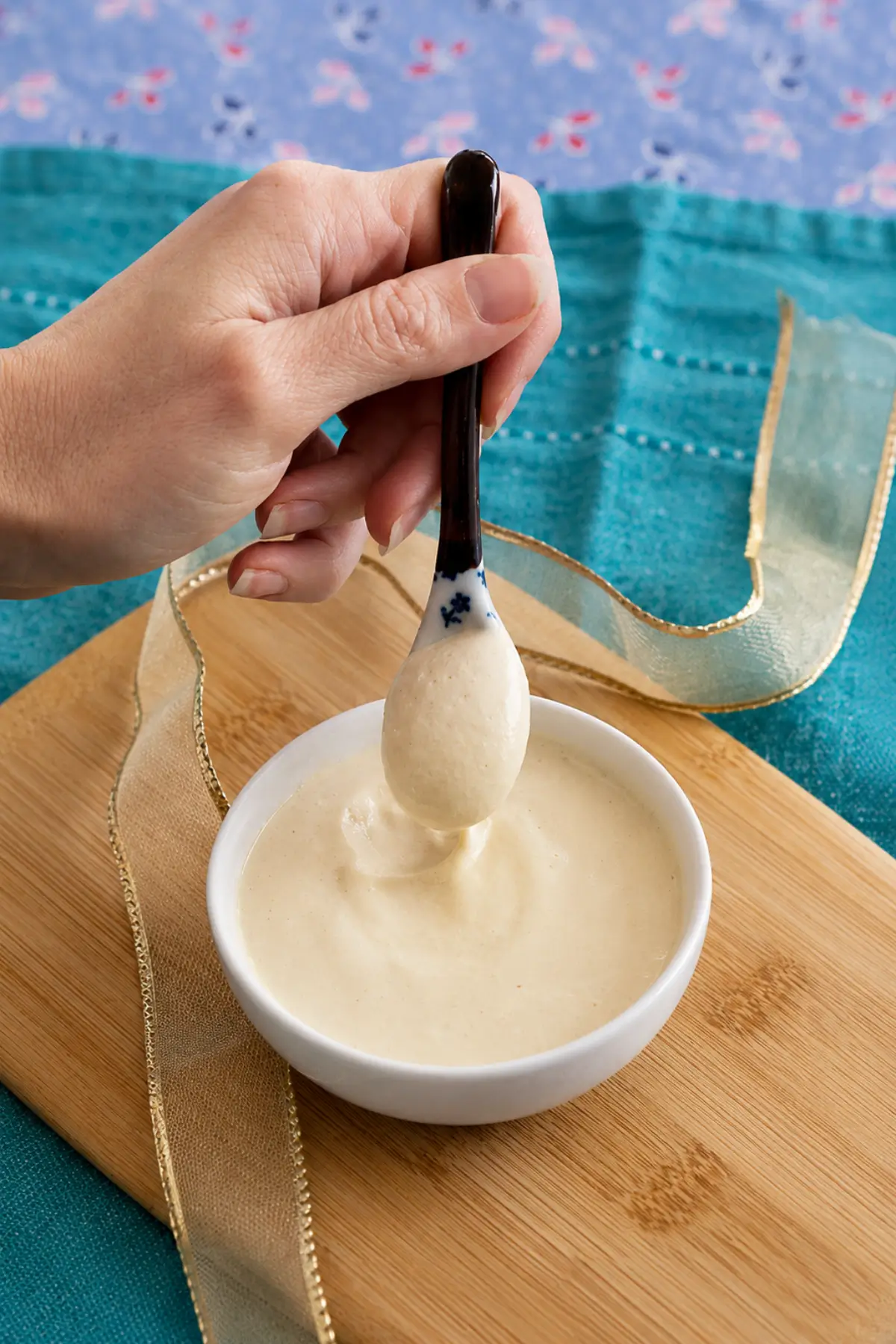
Even if you don’t follow a specific diet, I still suggest trying this recipe because everyone deserves a tasty condiment for sandwiches and burgers!
Why We Love Low FODMAP Mustard Mayo
- Creamy homemade mustard mayo tastes far fresher and smoother than most supermarket jars.
- Smooth texture works well as a dip for fries, roasted potatoes, and crunchy vegetables.
- Simple pantry ingredients turn into a rich and smooth sauce within minutes.
Key Ingredients for Homemade Mustard Mayo
Extra Virgin Olive Oil
Extra virgin olive oil gives the mayo richness and a slightly fruity flavour. Using a mild olive oil keeps the finished mayo smooth and balanced instead of bitter.
Sunflower Oil
Sunflower oil softens the stronger flavour of the olive oil and keeps the texture lighter. It also helps create a pale, creamy finish.
Eggs
Eggs are what hold the emulsion together and give the mayo its thick texture. Room temperature eggs blend more smoothly and help prevent splitting.
Lemon Juice
Lemon juice cuts through the richness and gives the mayo a fresher flavour. It also slightly loosens the texture once blended in.
Dijon Mustard
Dijon mustard brings gentle sharpness and a little warmth to the mayo. It also gives the sauce more depth without making it too strong.
Find the complete list with measurements in the recipe card below.
How to Make Low FODMAP Mustard Mayo
Step 1: Mix the oils and set aside.
Step 2: Put the egg yolks, salt, and 2 tablespoons of oil into a bowl or the container of a handstick mixer, then start blending until combined.
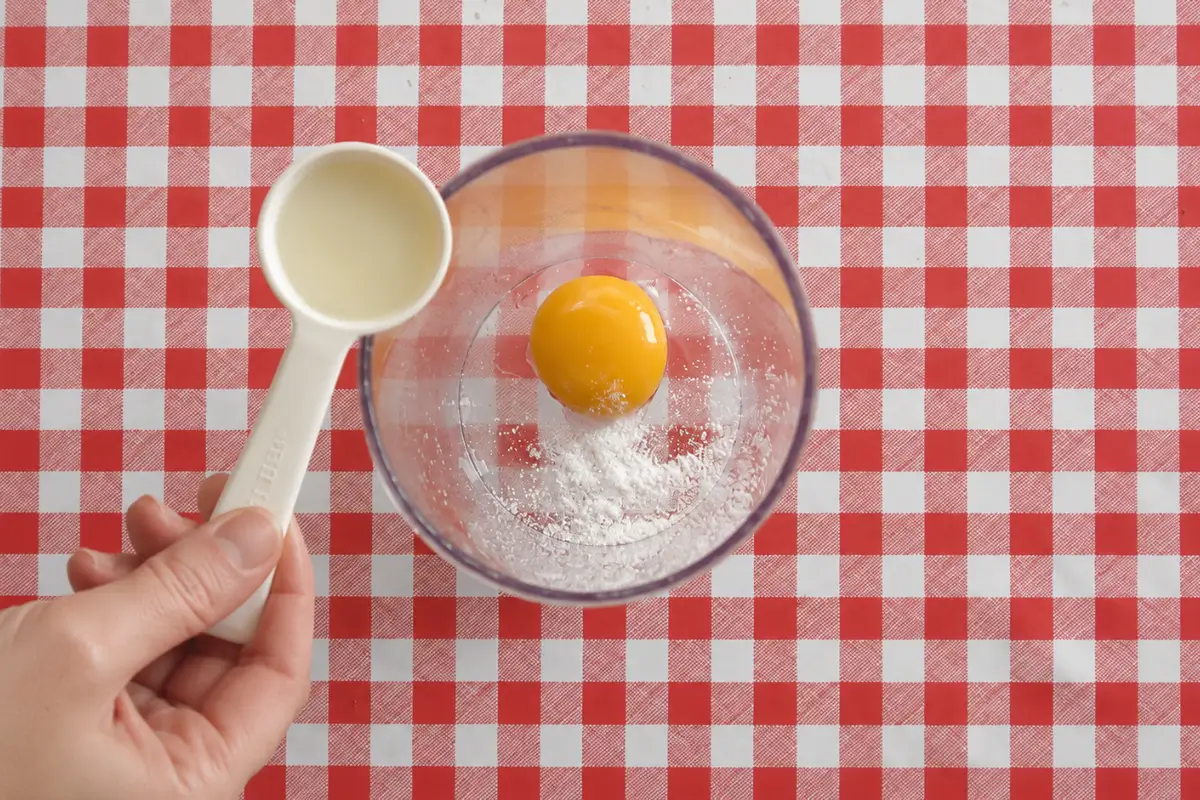
Step 3: Add the egg whites and continue blending.
Step 4: Slowly pour in the remaining oil in a thin, steady stream while continuing to blend.
Step 5: Once all the oil has been incorporated and the mayo has thickened, slowly add the lemon juice and mustard while continuing to blend.
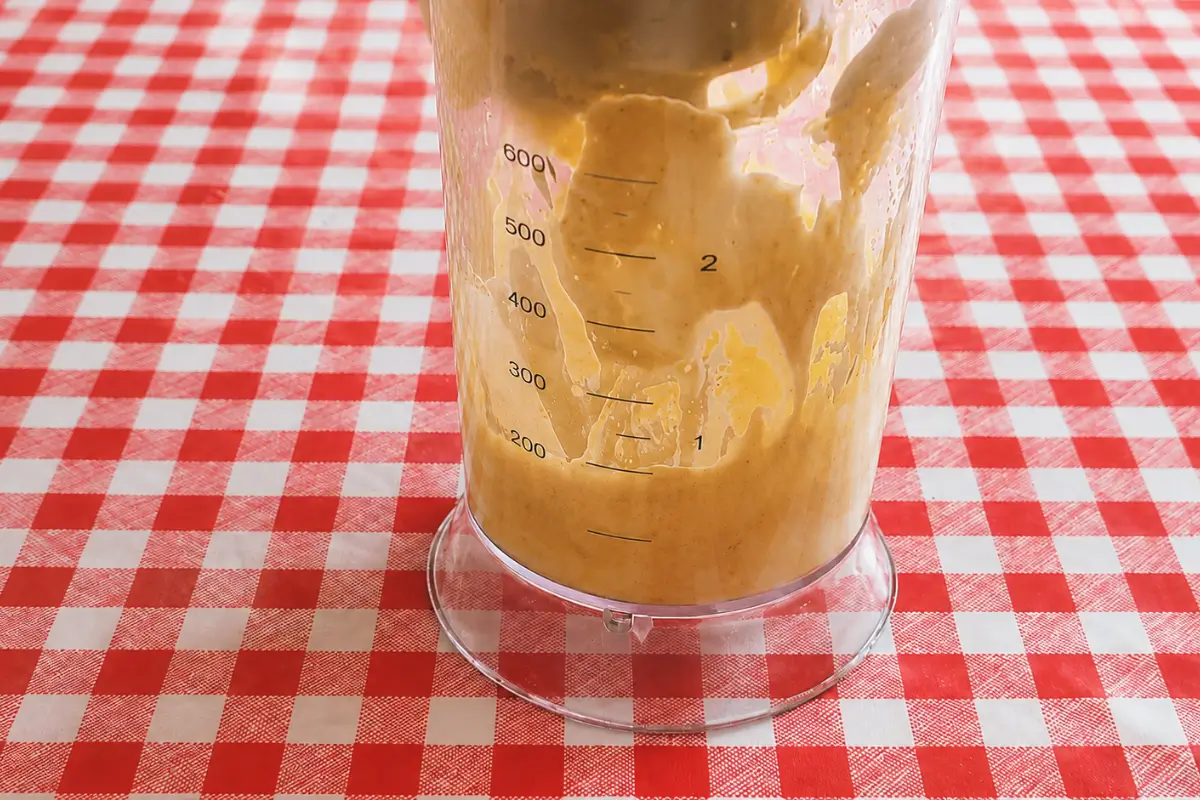
Step 6: Once all the lemon juice has been incorporated, the mayo is ready.
Step 7: Refrigerate until needed.
Frequently Asked Questions
Yes, though it takes longer by hand. A whisk works well, but the oil needs to be added very slowly so the mayo emulsifies properly.
You can, but the flavour will be much stronger and sometimes slightly bitter. Using a mix of olive oil and sunflower oil keeps the mayo more balanced.
Chives, parsley, basil, dill, coriander, and tarragon all work well in homemade mustard mayo. Finely chopping the herbs keeps the texture smooth and evenly mixed.
If the mayo feels too thick, stir through a small spoonful of lemon juice or water until it reaches the consistency you like. If it feels too thin, slowly blend in a little extra oil to help thicken it again.
Extra Help from the Kitchen
Use a Neutral Tasting Container – Strong-smelling plastic containers can slightly affect the flavour of homemade mayo, especially with lemon juice and mustard. Glass containers usually give the cleanest result.
Chill Before Serving – Homemade mayo thickens slightly once chilled, and the flavours settle more evenly after resting in the fridge for 30 minutes.
Use Fresh Lemon Juice – Freshly squeezed lemon juice gives the mayo a brighter and cleaner flavour than bottled juice, which can sometimes taste overly sharp.
Scrape Down the Sides if Needed – Small streaks of oil can sometimes cling to the sides of the container while blending. Scraping them down helps the mayo emulsify evenly.
Taste Before Adding More Salt – Dijon mustard already contains salt, so the mayo may need less seasoning than expected once fully blended.
Variations and Twists
Add Fresh Herbs – Finely chopped parsley, basil, or chives give the mayo a fresher flavour and pair especially well with grilled chicken and seafood.
Mix Through Smoked Paprika – Smoked paprika gives the mayo a deeper savoury flavour with a subtle smoky finish that works nicely in burgers and alongside roasted potatoes.
Use Lime Instead of Lemon – Lime juice creates a sharper citrus flavour and gives the mayo a brighter finish with seafood or grilled vegetables.
Stir in Cracked Black Pepper – Freshly cracked black pepper adds warmth and a little extra bite without changing the creamy texture.
Add Wholegrain Mustard – Wholegrain mustard gives the mayo extra texture and a slightly sharper mustard flavour while keeping the sauce creamy.
Ways to Use Homemade Mustard Mayo
Dip – Serve alongside fries, roasted potatoes, sweet potato wedges, carrot sticks, cucumber slices, capsicum strips, or grilled vegetables for a creamy dipping sauce.
Spread – Use in sandwiches, burgers, wraps, or toasted rolls for extra creaminess and gentle mustard flavour.
Salad Dressing Base – Stir through potato salad, egg salad, tuna salad, or chopped vegetable salads for a richer and smoother dressing.
Burger Sauce – Spoon over beef burgers, chicken burgers, schnitzel rolls, or grilled vegetable burgers for added flavour and texture.
Seafood Sauce – Pair with grilled prawns, calamari, fish fillets, or seafood platters for a creamy and tangy finish.
Storage and Shelf Life
Store the homemade mustard mayo in a clean airtight jar or container in the fridge for up to 4 days. Because it contains fresh eggs, it should not sit at room temperature for extended periods.
Freezing is not recommended because the mayo can separate and lose its smooth texture once thawed. Serve chilled straight from the fridge and stir gently before using if needed.
Homemade Sauces and Creamy Dips
- Homemade Mayonnaise
- Roasted Strawberry Barbecue Sauce
- Homemade Ketchup
- Sun-Dried Tomato Hummus
- Raita
Low FODMAP Mustard Mayo Recipe
Ingredients
- 100 ml – ½ cup + 1 tbsp extra virgin olive oil
- 100 ml – ½ cup + 1 tbsp vegetable oil – preferably sunflower oil
- 2 eggs – room temperature, divided
- 2 tbsp lemon juice
- 1 tsp Dijon mustard
- salt – to taste
Instructions
- Mix the oils and set aside.
- Put the egg yolks, salt, and 2 tablespoons of oil into a bowl or the container of a handstick mixer, then start blending until combined.
- Add the egg whites and continue blending.
- Slowly pour in the remaining oil in a thin, steady stream while continuing to blend.
- Once all the oil has been incorporated and the mayo has thickened, slowly add the lemon juice and mustard while continuing to blend.
- Once all the lemon juice has been incorporated, the mayo is ready.
- Refrigerate until needed.
This post may contain affiliate links. If you purchase through these links, I may earn a small commission at no extra cost to you.

Love travelling as much as cooking?
Many of the recipes I share are inspired by places I’ve visited around the world. On Travel with Manu you’ll find destination guides, itineraries and travel inspiration to help you plan your next adventure.









Leave a Reply