

Sashimi refers to thin slices of raw fish served on their own, without rice, and enjoyed for their freshness and delicate texture.
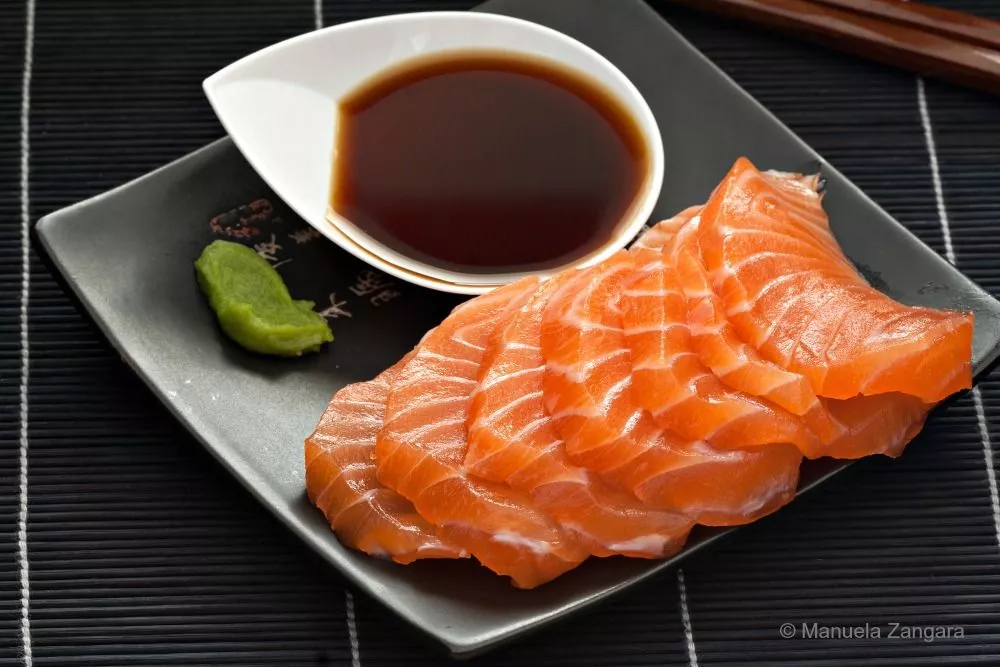
Salmon is one of the most popular fish used for sashimi and is often served with simple accompaniments such as soy sauce, wasabi, or citrus-based sauces like Ponzu.
I Love Salmon Sashimi!
Over the past few years, I’ve come to truly appreciate Japanese cuisine, especially after our trip to Japan in 2015, where I learnt how much care and precision go into even the simplest dishes. Every slice of fish, every sauce, every texture had meaning.
I’ve shared quite a few Japanese recipes here, but somehow never a sashimi one until now. Since it’s hard to find sushi grade or sashimi-grade fatty tuna where I live, I chose something fresh and simple: Salmon Sashimi with Ponzu.
What is Salmon Sashimi?
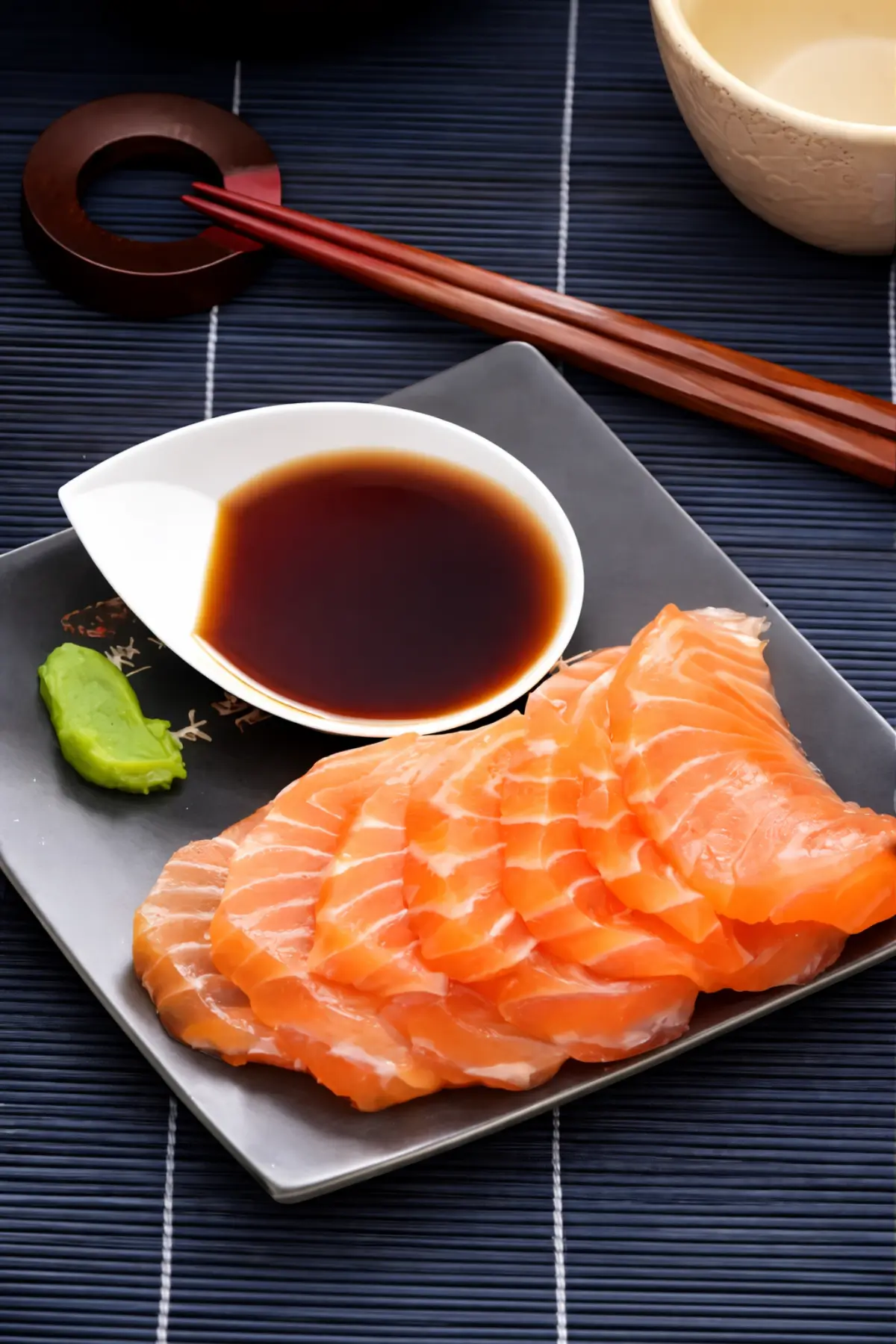
Salmon Sashimi is thinly sliced raw salmon often served with Ponzu sauce or plain soy sauce. Ponzu is a light citrus-based mix of soy sauce, mirin, and dashi. It is tangy, salty, and rich in umami. It makes a wonderful dipping sauce or dressing and adds balance and brightness to the salmon.
Unlike sushi that includes vinegared rice, sashimi focuses on the freshness and texture of the fish. The key is using sashimi grade salmon that has been flash frozen to make it safe to eat raw. When sliced correctly, the salmon tastes smooth and tender and almost melts in your mouth.
You can use several kinds of salmon for sashimi:
Atlantic Salmon Sashimi – The most common type with a mild taste and soft texture that suits many palates.
Red Salmon Sashimi – Also called Sockeye Salmon, it has a deeper colour and a stronger taste for those who prefer a bolder bite.
White Salmon Sashimi – Also known as King Salmon, it has a buttery richness and a delicate texture that feels silky when eaten.
Coho Salmon Sashimi – A leaner variety that keeps a tender texture and a gentle, balanced taste.
Chum Salmon Sashimi – Also called Keta Salmon, it has a pale colour and a light, clean taste that pairs well with Ponzu sauce.
What Makes This Recipe a Restaurant Favourite
- Fresh sashimi-grade salmon delivers a smooth, melt-in-the-mouth texture.
- Quick preparation allows anyone to recreate a restaurant-style dish at home.
- Homemade Ponzu sauce gives a fresher, more vibrant flavour than bottled versions.
Key Ingredients for Salmon Sashimi
Salmon Sashimi
Use sashimi-grade salmon for safety and the best texture. This means the fish has been handled and frozen under strict conditions to reduce the risk of parasites, making it safe to eat raw. It should look bright and glossy, with a fresh smell, and feel tender when sliced thinly.
Soy Sauce
Adds savoury depth and brings balance to the citrus flavour of the Ponzu. A light soy sauce keeps the taste smooth and not too salty.
Lemon Juice
Gives a clean, refreshing lift that cuts through the richness of the salmon. Freshly squeezed lemon works best.
Find the complete list with measurements in the recipe card below.
How to Make Salmon Sashimi with Ponzu
Step 1: To make the Ponzu sauce, combine all the ingredients apart from the salmon in a small bowl and whisk together.
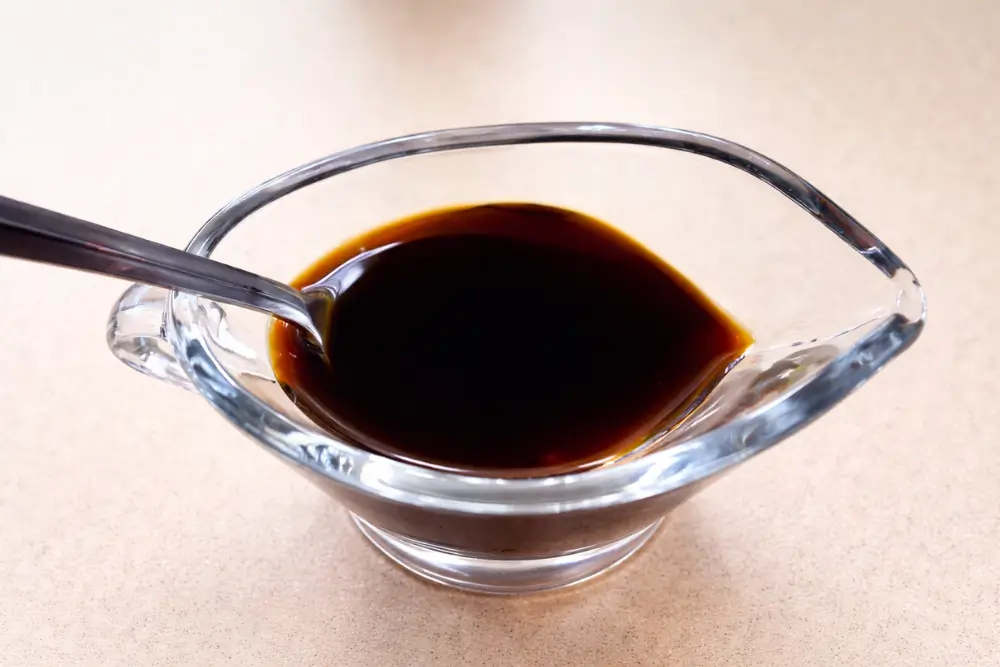
Step 2: Serve with the salmon sashimi.
How to Cut Salmon for Sashimi
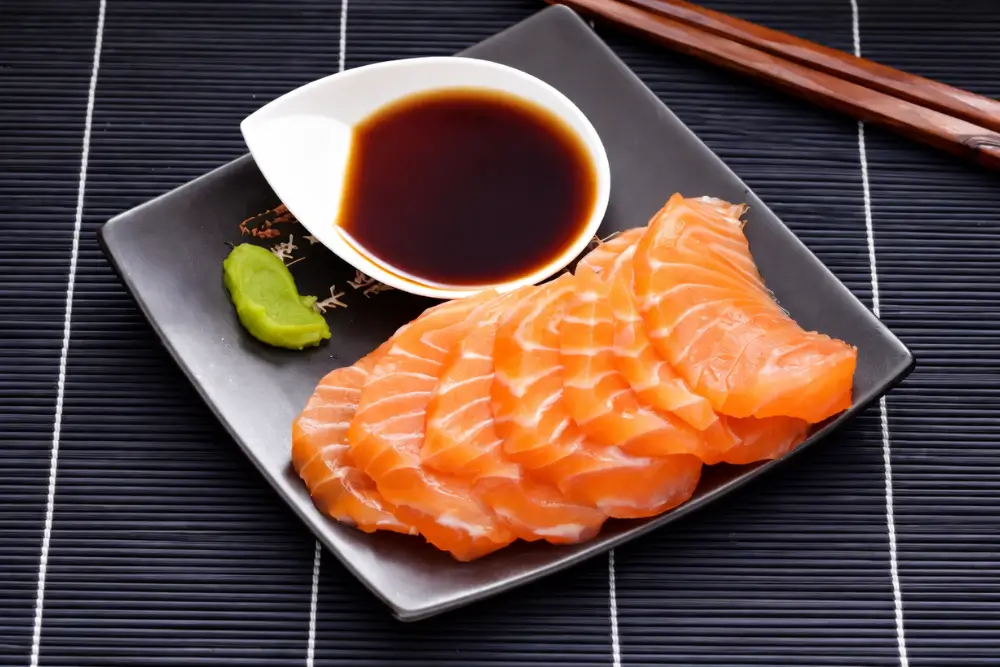
- Keep the salmon well chilled before slicing, as slightly firm fish is easier to cut cleanly and helps you achieve thin, even slices that hold their shape. For best results, slice against the grain using long, smooth strokes.
- Use a long, sharp knife and cut in one smooth motion rather than sawing back and forth, as this can damage the texture. Wipe the blade between slices for a neat finish. If you prefer, ask your fishmonger to remove the bones and slice the salmon for you.
- Cut the salmon into thin, even slices, about 5 mm – ¼ inch thick, keeping the texture tender and smooth when served.
Frequently Asked Questions
Yes, both are great choices. Fresh salmon sashimi is ideal when the fish is very fresh and handled properly. Frozen sashimi-grade salmon is equally good, as flash-freezing locks in freshness while making it safe to eat raw.
Yes, you can use Ponzu sauce from your local grocery store, but homemade Ponzu has a fresher balance of citrus and soy and only takes a minute to whisk together.
Sushi-grade salmon isn’t something you can make at home easily. It refers to fish that have been flash-frozen under specific conditions to destroy parasites. If you plan to eat raw salmon, buy it labelled as sashimi-grade from a trusted fishmonger. Always keep it refrigerated and serve it fresh on the same day you slice it.
Extra Help from the Kitchen
Chill the Serving Plate – Use a cold plate to keep the sashimi fresh and firm. It also helps the presentation stay neat and appetising, especially in warm weather.
Make the Ponzu Ahead of Time – Mixing the sauce a few hours early allows the flavours of soy, citrus, and mirin to blend naturally. Store it in the fridge and whisk it again before serving.
Pat the Salmon Dry – Lightly pat the salmon with a paper towel before slicing to remove excess moisture. This helps the slices look cleaner and improves presentation on the plate.
Check for Pin Bones – Run your fingers along the salmon to check for any remaining pin bones. Remove them with tweezers for a smoother texture when eating.
Variations and Twists
Spicy Salmon Sashimi – Add a few drops of chilli oil or a touch of grated ginger for gentle heat that enhances the flavour of the sashimi.
Salmon Roe Sashimi – Sprinkle a small amount of salmon roe over the sashimi to give extra texture and a subtle saltiness that works well with the citrus dressing.
Salmon Sake Sashimi – Prepare the salmon in the traditional Japanese way known as sake sashimi, using thin, even slices of fresh salmon served with Ponzu sauce for balance.
Vegan Salmon Sashimi – Create a plant-based version by marinating thin slices of carrot or tomato in soy sauce and seaweed stock to mimic the smooth texture of real sashimi.
Storage and Shelf Life
Salmon Sashimi is best enjoyed fresh and should be eaten soon after slicing. Raw fish does not keep well once prepared, and chilling it for too long affects both taste and texture.
For the Ponzu sauce, keep it in a sealed jar or bottle and use it within 3–5 days for the freshest flavour, or store it for up to 1 month if tightly sealed in the refrigerator. Give it a quick whisk before serving, as the ingredients may separate slightly.
Ways to Use Ponzu Sauce
Dressing – Mix with a little sesame oil and use on salads or cold noodle bowls for a refreshing citrus flavour.
Marinade – Combine with garlic and ginger for a quick and flavourful base for chicken, tofu, or thinly sliced beef.
Dipping Sauce – Serve with gyoza, dumplings, or tempura for a light, zesty contrast.
Grilled Seafood – Drizzle over grilled salmon, prawns, or squid to brighten the taste.
Rice or Vegetables – Add a splash over steamed rice or blanched greens for extra flavour without heaviness.
Japanese Recipes and Sides to Pair with Sashimi
Salmon Sashimi with Ponzu
Ingredients
- 2 tbsp soy sauce
- 1 ½ tbsp dashi stock
- 1 tbsp lemon juice
- ½ tbsp rice vinegar
- 1 tsp mirin
- salmon sashimi
- wasabi – optional
Instructions
- To make the Ponzu sauce, combine all the ingredients apart from the salmon in a small bowl and whisk together.
- Serve with the salmon sashimi.
Notes
- Always use sushi or sashimi-grade salmon when serving it raw. It’s the safest option and helps you enjoy sashimi the way it’s meant to be.
- Store the Ponzu sauce in the fridge for up to 1 month.
- For the best results, ask your fishmonger to slice the salmon for you.

Love travelling as much as cooking?
Many of the recipes I share are inspired by places I’ve visited around the world. On Travel with Manu you’ll find destination guides, itineraries and travel inspiration to help you plan your next adventure.













I’ve made sashimi for a couple of times and straight away used soya sauce next to it. But here I can see you mix it with other ingredients which is quite new to me. I’m going to try this recipe tomorrow as I already bought some nice salmon fillets.