


Moist, tender, and easy to make, this Condensed Milk and Coconut Cake combines creamy richness with subtle coconut flavour. It’s ideal for everyday baking or as a sweet weekend treat.
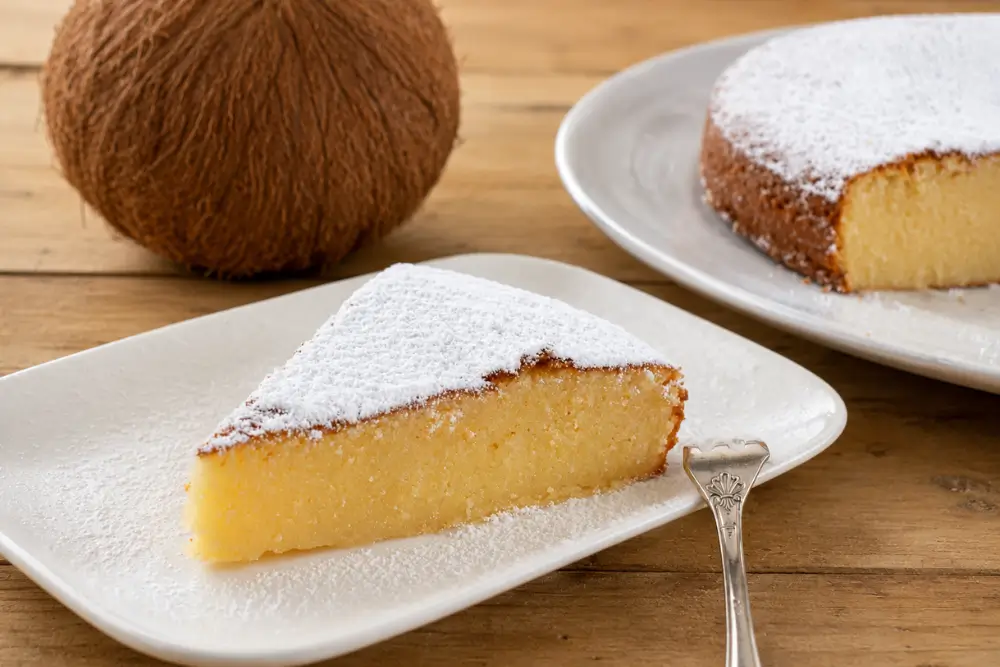
My eldest daughter is all about coconut these days, and she definitely takes after her daddy when it comes to having a sweet tooth. She loves bringing something homemade in her lunch box, so I try to bake a little treat each week. It makes me happy knowing what she’s eating, and it adds a bit of love to her school day.
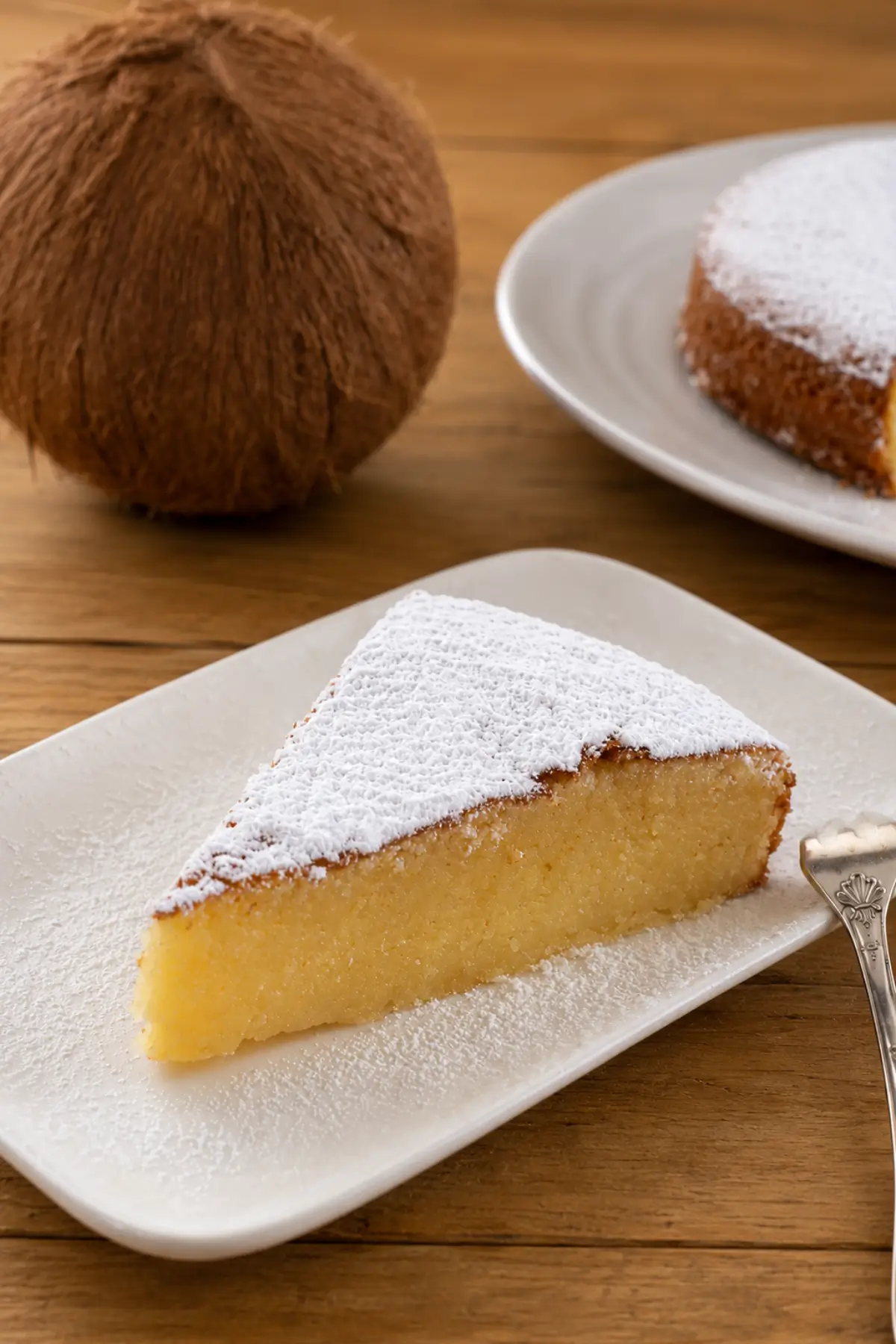
I used to make muffins or cookies most of the time, but lately I’ve been turning to cakes instead. They’re actually quicker to put together, and once the cake has cooled, I slice and wrap each piece in cling film before freezing. Every morning, I take one out, pop it into her lunch box, and by lunchtime, it’s perfectly soft and ready to enjoy.
This Condensed Milk and Coconut Cake is one of her absolute favourites. I came up with it while using up some leftover homemade condensed milk I had in the fridge, and the girls loved it so much they kept asking me to bake it again. Luckily, I had written everything down, and now I can share it with you too.
Why This Easy Homemade Coconut Cake Always Wins Hearts
- Quick to prepare with simple pantry staples, perfect for busy days when you still want to bake.
- Keeps fresh longer than many other sponge-style desserts with condensed milk.
- Adaptable base for adding lemon zest, nuts, or a handful of chocolate chips.
Key Ingredients for Condensed Milk and Coconut Cake
Condensed Milk
This is what gives the cake its sweetness and rich, creamy flavour. It keeps the crumb soft for days and adds a beautiful golden colour when baked.
Coconut Milk
Adds moisture and a subtle coconut aroma. I always stir it well before measuring to make sure the cream and liquid are evenly mixed.
Butter
Melted butter adds richness and a gentle buttery taste. I prefer using unsalted butter so the cake’s sweetness stays balanced and not overly sweet.
Coconut Flour or Fine Desiccated Coconut
Adds texture and a boost of coconut aroma. It also helps the cake hold its shape while keeping a delicate crumb.
Find the complete list with measurements in the recipe card below.
How to Make Condensed Milk and Coconut Cake
Step 1: Grease and dust with flour a 22 cm – 9 inch spring form pan.
Step 2: Put all the ingredients in the bowl of an electric mixer and mix until well combined.
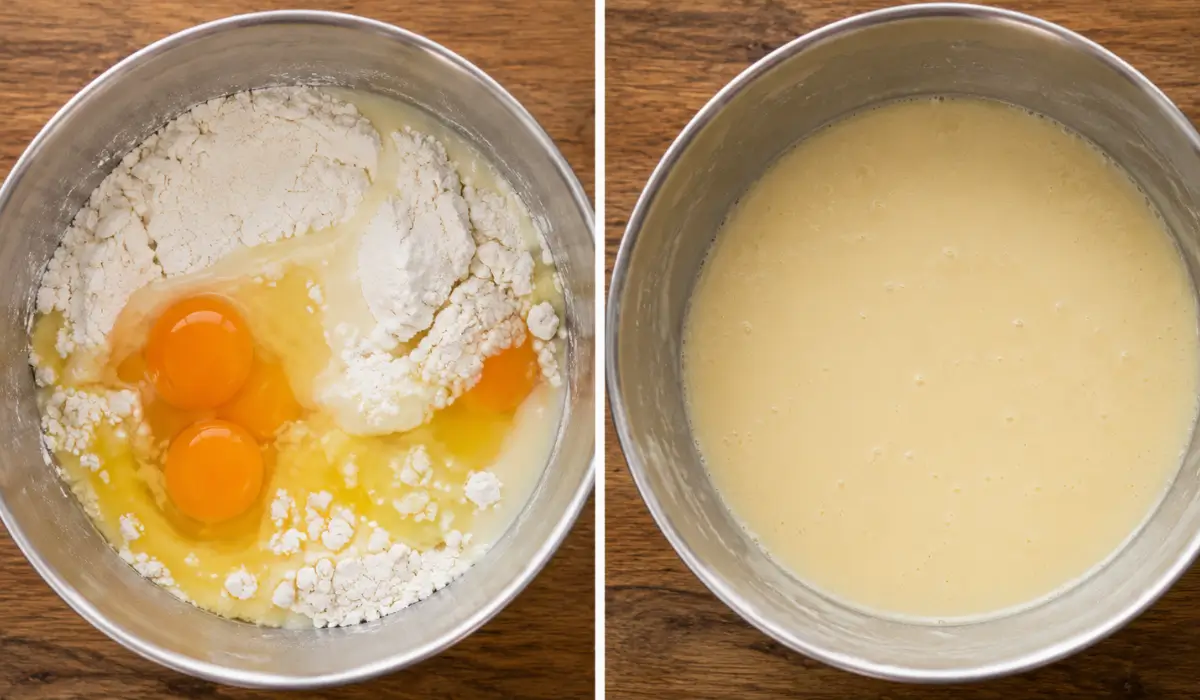
Step 3: Pour the batter into the prepared pan and bake in a preheated oven at 180°C – 355°F for 40 minutes or until a toothpick inserted in the middle of the cake comes out clean.
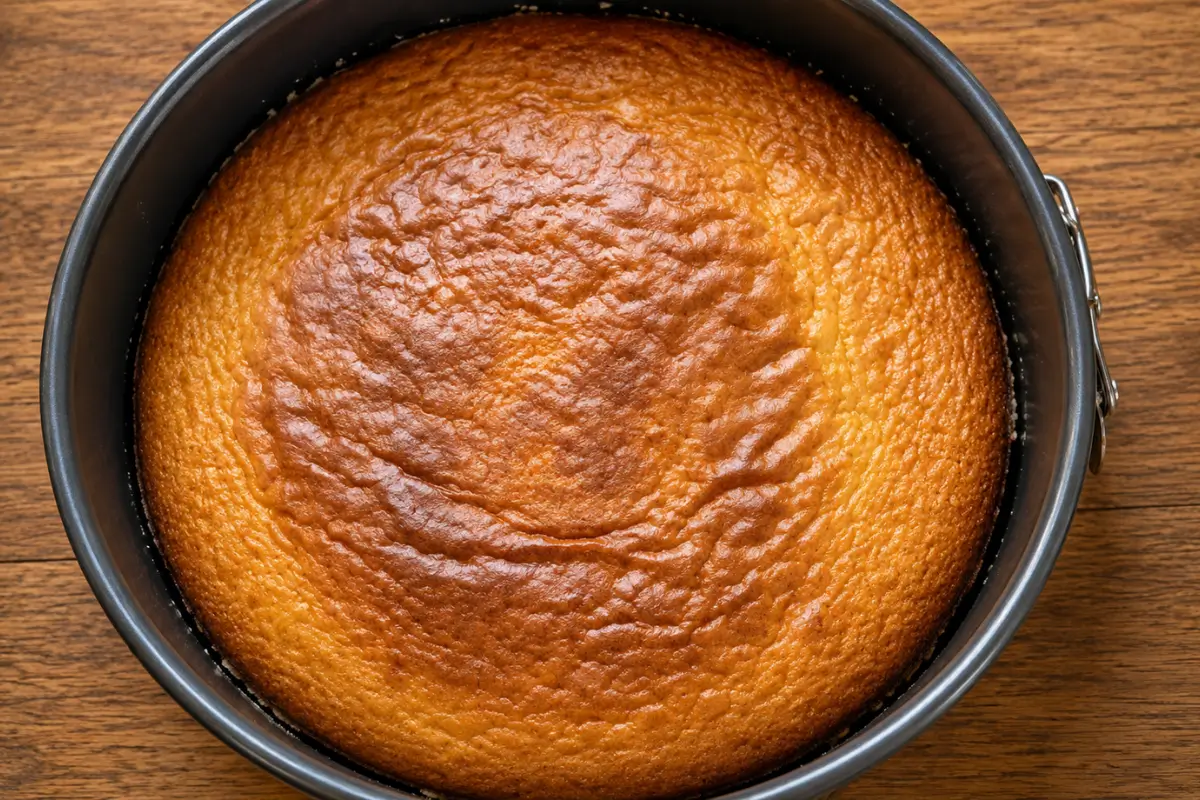
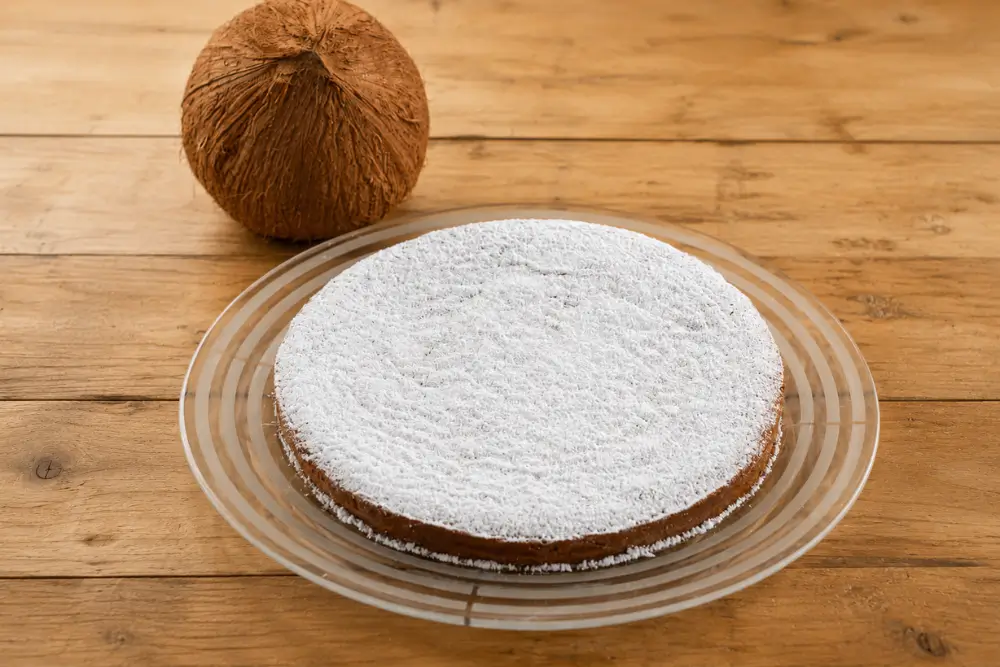
Step 4: Let it cool down completely, then unmould it and dust it with icing sugar.
Frequently Asked Questions
Yes. Homemade or canned coconut milk both work well in this recipe. If it’s thick or separated, give it a good stir before adding so the cream and liquid mix evenly. Fresh coconut milk can have a stronger flavour, which makes the cake even more fragrant.
The top should be golden and springy to the touch. A skewer inserted in the centre should come out clean or with a few crumbs.
Yes, fine desiccated coconut works very well and gives a slightly firmer texture. Avoid coarse shreds, as they can make the cake uneven.
A 22 cm – 9 inch springform pan is ideal. It lets the cake rise evenly and makes unmoulding easy once cooled. If you use a smaller pan, increase the baking time slightly and check with a skewer before removing from the oven.
Extra Help from the Kitchen
Check Oven Temperature – Use an oven thermometer if possible, as even small temperature differences can affect baking time and texture.
Line the Base – Place a circle of baking paper on the bottom of the pan to make unmoulding easier and prevent the cake from sticking.
Avoid Opening the Oven Too Early – Wait until at least 30 minutes have passed before checking the cake, so it doesn’t collapse from a sudden drop in temperature.
Cool on a Rack – Once the pan is cool enough to touch, transfer the cake to a wire rack to stop the base from steaming and turning soggy.
Variations and Twists
Add Lemon Zest for Freshness – Stir in one tablespoon of finely grated lemon zest to balance the sweetness and give a light, citrusy lift to the cake.
Chocolate Chip Coconut Cake – Fold in half a cup of dark or milk chocolate chips before baking for a richer, dessert-style version.
Toasted Coconut Topping – Sprinkle toasted desiccated coconut over the top after baking for a light crunch and stronger coconut aroma.
Coconut Almond Cake – Replace two tablespoons of flour with ground almonds for a slightly denser texture and a delicate nutty taste.
Mini Coconut Cakes – Divide the batter into a muffin tray for single-serve cakes. Bake for about 20 minutes or until a skewer comes out clean.
Storage and Shelf Life
Store the cake in an airtight container at room temperature for up to 3 days. If the weather is warm, keep it in the fridge, where it will stay fresh for about 5 days. Bring the slices back to room temperature before serving for the best texture.
For longer storage, wrap individual slices tightly in plastic wrap and place them in a freezer-safe container or bag. The cake keeps well in the freezer for up to 2 months. Defrost at room temperature or warm briefly in the microwave before serving.
Dessert Ideas for Your Next Baking Day
Condensed Milk and Coconut Cake
Ingredients
- 250 g – 9 oz condensed milk
- 4 eggs
- 125 g – 1 cup all-purpose flour
- ½ teaspoon baking powder
- 50 g – 3½ tablespoon butter – melted
- 150 ml – ⅔ cup coconut milk
- 30 g – 2 tablespoon coconut flour OR fine desiccated coconut
- 2 tablespoon sugar
- 1 teaspoon coconut essence
- Icing sugar – for dusting
Instructions
- Grease and dust with flour a 22 cm – 9 inch spring form pan.
- Put all the ingredients in the bowl of an electric mixer and mix until well combined.
- Pour the batter into the prepared pan and bake in a preheated oven at 180°C – 355°F for 40 minutes or until a toothpick inserted in the middle of the cake comes out clean.
- Let it cool down completely, then unmould it and dust it with icing sugar.

Love travelling as much as cooking?
Many of the recipes I share are inspired by places I've visited around the world. On Travel with Manu you'll find destination guides, itineraries and travel inspiration to help you plan your next adventure.




Is this coconut milk like the drink carton or coconut milk from a tin used in cooking?
Hi Rida,
For this recipe, use coconut milk from a tin or can, rather than the coconut milk drink from a carton. Stir it well before measuring, especially if the cream and liquid have separated.
I hope you enjoy the cake! 🙂
I posted a question yesterday but it disappeared from the site. My brother in law is gluten free and I was wondering if coconut flour or almond flour, or a combination of both would work in place of the all purpose flour. I plan to try the recipe as written but would love to be able to serve it to him, also. Thank you in advance for your reply.
Hi Janet,
I'm so sorry for the late reply, and thank you for your question!
I wouldn't recommend substituting the plain flour with only coconut flour or almond flour, or even a combination of the two, in this recipe. They behave very differently from plain flour, particularly coconut flour, which absorbs much more liquid. As this cake relies on a careful balance of condensed milk, eggs, coconut milk and flour, making those substitutions would likely result in a cake that is too dry, dense or crumbly.
If you're looking to make it gluten free, I'd recommend using a good-quality gluten-free plain flour blend that's designed as a 1:1 replacement for ordinary plain flour. That should give you the closest result without needing to alter the other ingredients.
If you do decide to experiment with almond or coconut flour, you'll need to adjust the quantities of the other ingredients as well, so I can't guarantee the outcome without testing it first.
I hope that helps, and if you try it with a gluten-free flour blend, I'd love to hear how it turns out! 🙂
Can you use coconut or almond flour in place of the all purpose flour to make this recipe gluten free? This recipe sounds delicious!
This was great! Thanks so much for the recipe. Made it today for an afternoon tea and it was delicious (: Definitely adding it to my recipe book.
I am very happy you liked it! I love how moist this cake is! 🙂
Is there alternative to the coconut essence? I can't seem to find it in stores.
Hi Brooke, you can skip it entirely or substitute it with vanilla essence. It only intensifies the coconut flavour, but the cake will still taste like coconut even without the essence. 🙂
the recipe says coconut milk, however the title says condensed milk - can condensed milk be used.
Hi Evelin.
This recipe uses both - 250 gms – 9 oz. condensed milk and 150 ml – 2/3 cup coconut milk. 🙂
This is a wonderful and delicious cake that is easy to make.
this is a delicious cake recipe. we love coconut here too thanks so much for sharing your recipe. Stopping by from YBR at Spicie Foodie.
what a great cake! i love how little sugar is in it - perfect for kids!
Condensed milk is one of my favourite things 🙂
Manuela, this looks absolutely DEEEEEEEvine!