

Cool, creamy, and naturally sweet, Sicilian Almond Milk is a classic worth making at home. It’s summer-ready and especially enjoyable straight from the fridge.
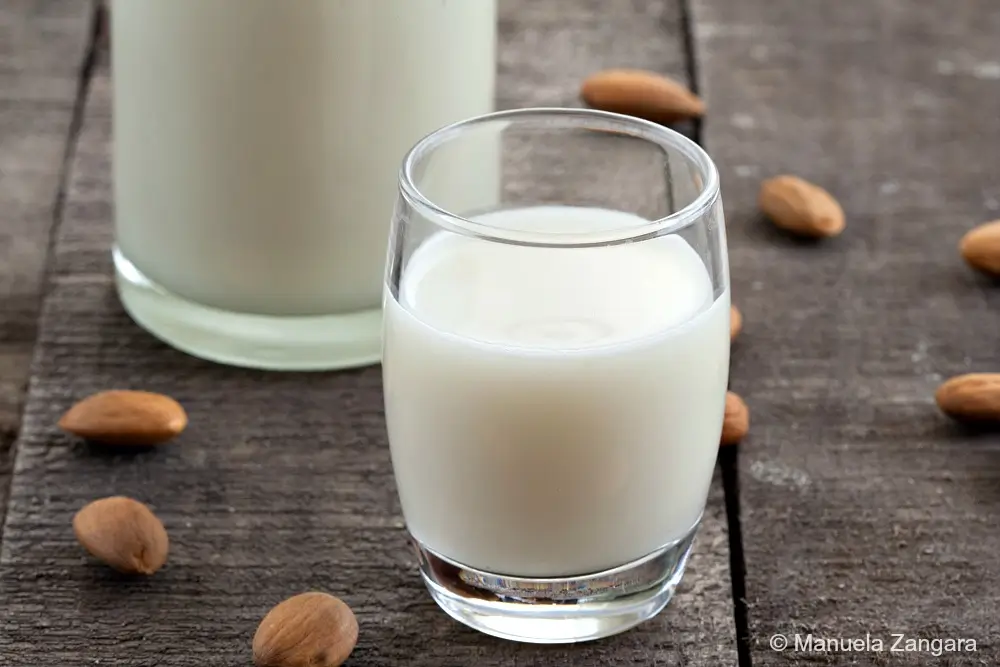
I want to share a recipe very close to my heart. It’s a Sicilian classic, usually enjoyed during the long, hot Sicilian summers. I still remember having a glass in the evenings, sitting in the yard of our summerhouse, and chatting with friends as the day slowly cooled down.
It’s a sweet and refreshing drink, perfect on its own but also lovely used as a base for desserts. When I was in Italy this past April, I used it to make a traditional Sicilian treat, which I’ll be sharing with you in my next post.
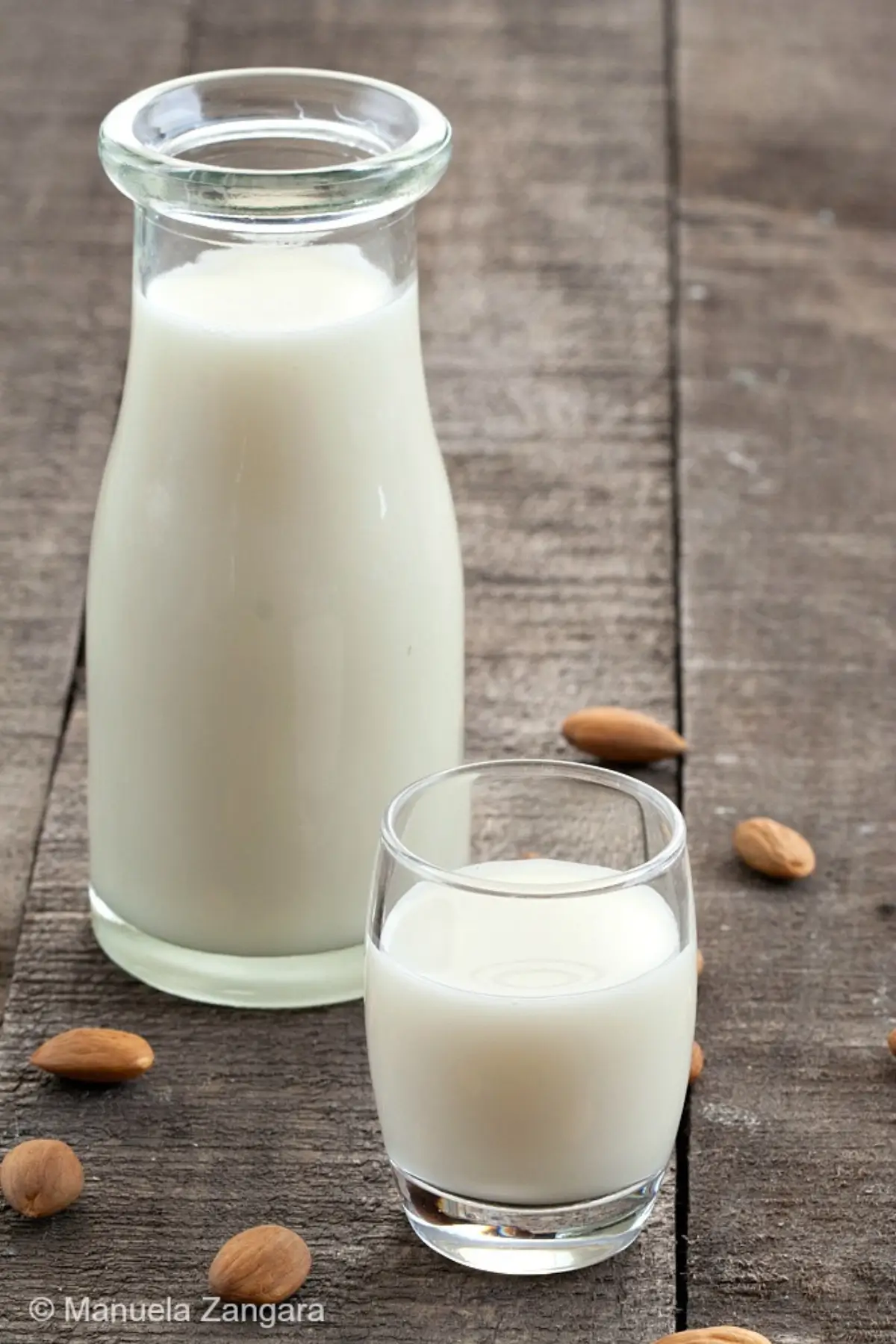
In Italy, you can easily buy ready-made sweetened almond milk, known as latte di mandorla, at the supermarket. Outside Italy, it’s not so easy to find, so I decided to make my own. Just to be clear, this isn’t the “regular” almond milk sold as a dairy substitute. This one is sweet and meant to be enjoyed as a drink in its own right.
So, are you ready to give it a go? Let’s see how to make this Sicilian Almond Milk.
Why We Love Italian Almond Milk
- Tastes different from shop almond milk and feels more like a small treat.
- Works well for people who enjoy lightly sweet drinks rather than desserts.
- Has a soft, milky taste with a smooth texture and a light finish, without being rich.
Key Ingredients for Almond Milk
Blanched Almonds
Give the drink its almond flavour and creamy feel. Blanched almonds keep the colour light and the taste clean. Fresh almonds make a difference, as they blend more smoothly and taste fuller.
Honey
Adds gentle sweetness with a mild floral note. A light, mild honey works well here, as it sits comfortably with the almond flavour.
Granulated Sugar
Brings even sweetness and helps the drink taste balanced. White granulated sugar dissolves easily during blending and keeps the flavour straightforward.
Find the complete list with measurements in the recipe card below.
How to Make Sicilian Almond Milk
Step 1: Blend the almonds with the water, sugar, and honey until completely smooth. Chill overnight.
Step 2: The next day, strain the mixture, pressing the solids firmly to extract as much liquid as possible.
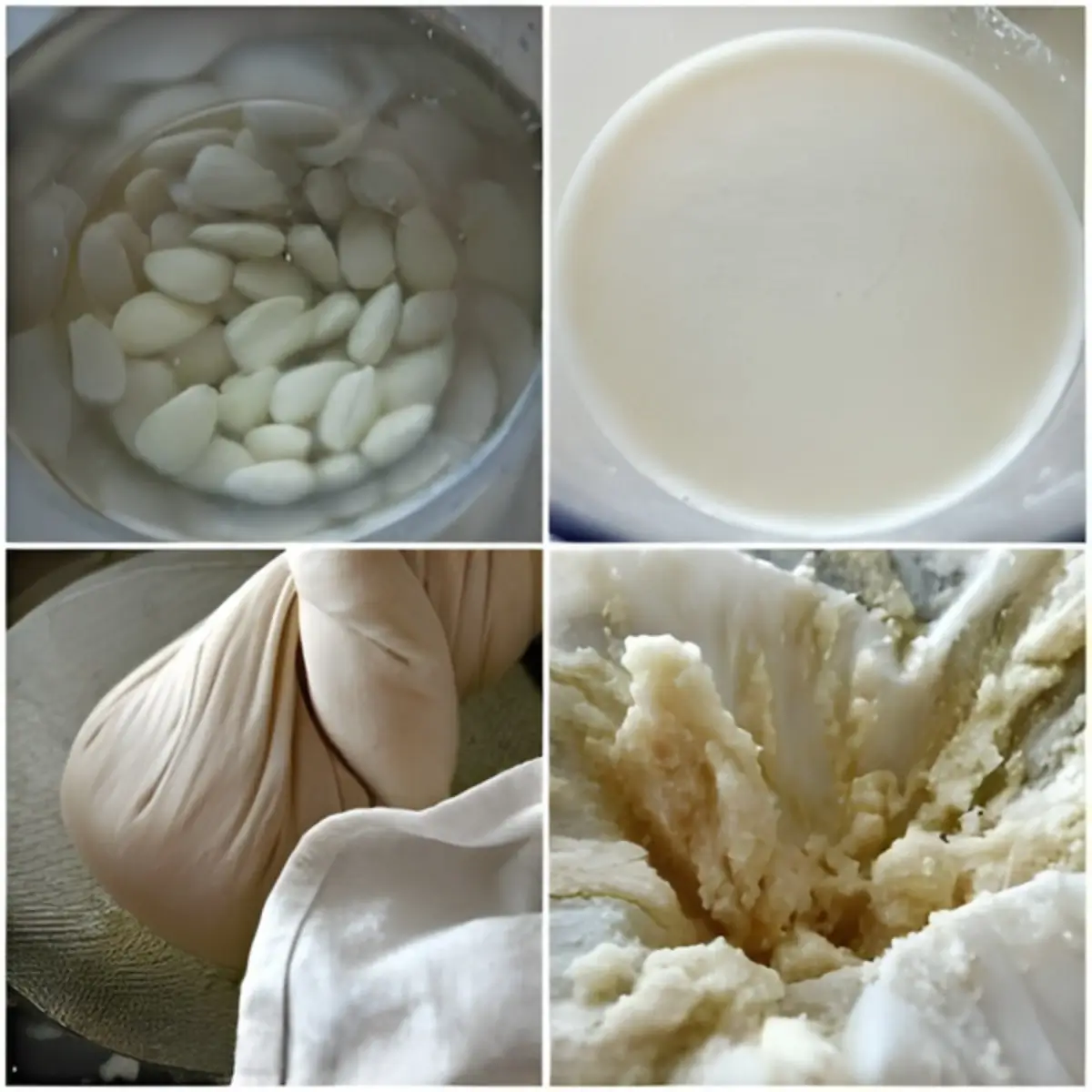
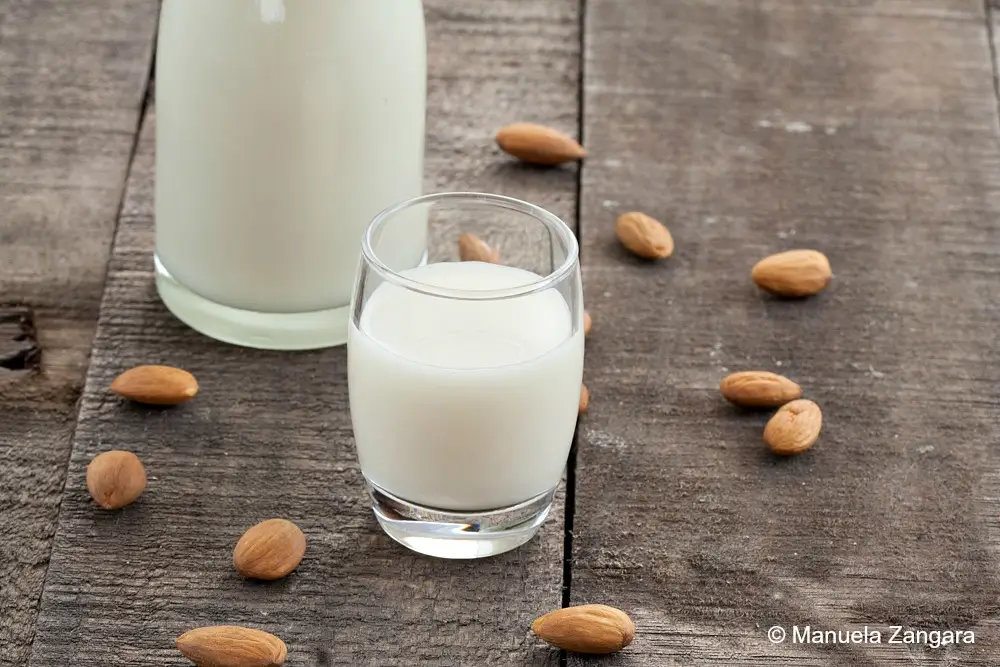
Step 3: Serve chilled or use in desserts.
Frequently Asked Questions
Yes. A standard blender works well, but it helps to blend for longer and stop once or twice to scrape down the sides. The finer the almonds are broken down, the smoother the final drink will be after straining.
The pulp can be added to cakes, muffins, or biscuit dough for extra almond flavour. It also works well stirred into porridge or yoghurt, so nothing goes to waste.
You can replace the honey with extra granulated sugar, caster sugar, or other sweeteners such as agave syrup or maple syrup. Keep the sweetness gentle so the almond flavour stays noticeable.
Yes. Peeling helps produce a smooth, pale almond milk. Soaking the almonds overnight makes this easier, as the skins slip off easily when rubbed between your fingers.
High-quality almonds give the best result. Sicilian almonds, such as the Avola variety, are traditionally used and have a sweeter, fuller almond flavour than standard commercial almonds.
Extra Help from the Kitchen
Rinse the Almonds Before Blending – Rinse briefly under cold water to remove any surface dust, especially if the almonds have been stored for a while, keeping the flavour clean.
Blend in Short Bursts at First – Start with a few pulses to break the almonds down evenly, then blend continuously to achieve a smoother drink.
Strain in Two Stages if Needed – Pass the mixture through a sieve a second time using a clean cloth if the texture still feels slightly grainy.
Taste Before Chilling Fully – Adjust the sweetness before the final chill, as flavours soften once the drink is cold.
Reuse the Almond Pulp – Add the leftover pulp to cakes, biscuits, or porridge to reduce waste and bring extra almond flavour.
Variations and Twists
Use an Unsweetened Almond Milk Base – Prepare the almond milk using only almonds and water, leaving out sugar and honey. Sweeten later only if needed, especially when using it in desserts where sweetness is added separately.
Infuse with Citrus Zest – Add a strip of lemon or orange zest after blending and let it rest overnight. Strain it out the next day for a light citrus note that pairs well with almond flavour.
Make a Lighter Summer Drink – Increase the water slightly during blending for a thinner result, keeping the flavour gentle and easy to drink when well chilled.
Add a Mild Spice After Straining – Stir in a small pinch of cinnamon or a few drops of vanilla extract once strained to introduce an extra layer of flavour without changing the base method.
Make Almond Granita – Pour the prepared almond milk into a shallow tray and freeze. Scrape with a fork every 30 minutes until a light, icy texture forms, then serve cold.
Storage and Shelf Life
Store the almond milk in a clean, sealed glass bottle or jar in the refrigerator for up to 3–5 days. Shake gently before serving, as natural separation occurs.
Freezing is not recommended, as it affects the texture once thawed.
Other Homemade Milk Recipes
Sicilian Almond Milk Recipe
Sweet, creamy Sicilian Almond Milk made with blanched almonds, sugar, and honey. A traditional Italian drink served cold or used in desserts.
Ingredients
- 1 L – 4 cups water
- 220 g – 7 ¾ oz good quality blanched almonds
- 80 g – ⅓ cup + 1 tbsp granulated sugar
- 30 g – 1 ½ tbsp honey
Instructions
-
Blend the almonds with the water, sugar, and honey until completely smooth. Chill overnight.
-
The next day, strain the mixture, pressing the solids firmly to extract as much liquid as possible.
-
Serve chilled or use in desserts.

Love travelling as much as cooking?
Many of the recipes I share are inspired by places I’ve visited around the world. On Travel with Manu you’ll find destination guides, itineraries and travel inspiration to help you plan your next adventure.










So almond milk, in many places, is seen as a dairy substitute, is that the case in Sicily?
This drink is not like milk as it is sweet. It’s more like “almond cordial” if you would. But if you want to have a dairy substitute, you can make it without sugar and honey.
Cordial is more syrup like and is mixed with water before drinking. Is that the case with Almond milk?
Some people have almond milk with water and/or ice as it is quite sweet, that’s why I said it’s used more like cordial. 🙂
Slurp!!!! 😉