

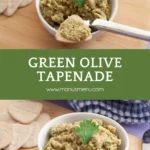
Thick, spoonable Green Olive Tapenade comes together in just 5 minutes and makes plain toast irresistibly savoury and rich.
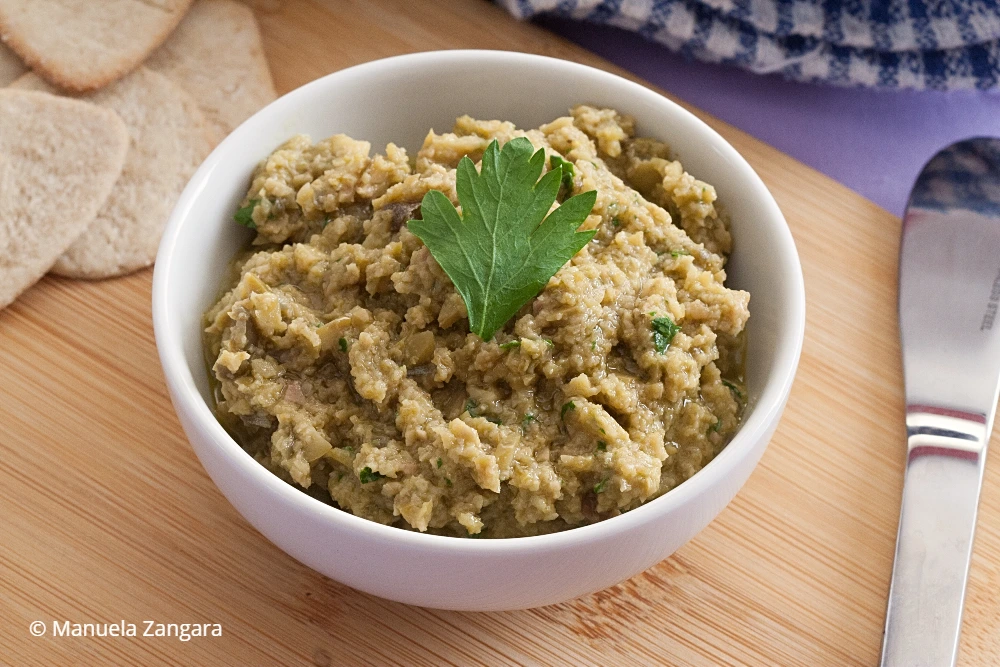
Did you know that making your own Green Olive Tapenade is really easy?
Tapenade is made with puréed olives, herbs, and olive oil. It is widely enjoyed in the south of France as an appetiser spread over bread or crackers. It is also very common in Italy, where olive spreads have long been part of everyday cooking.
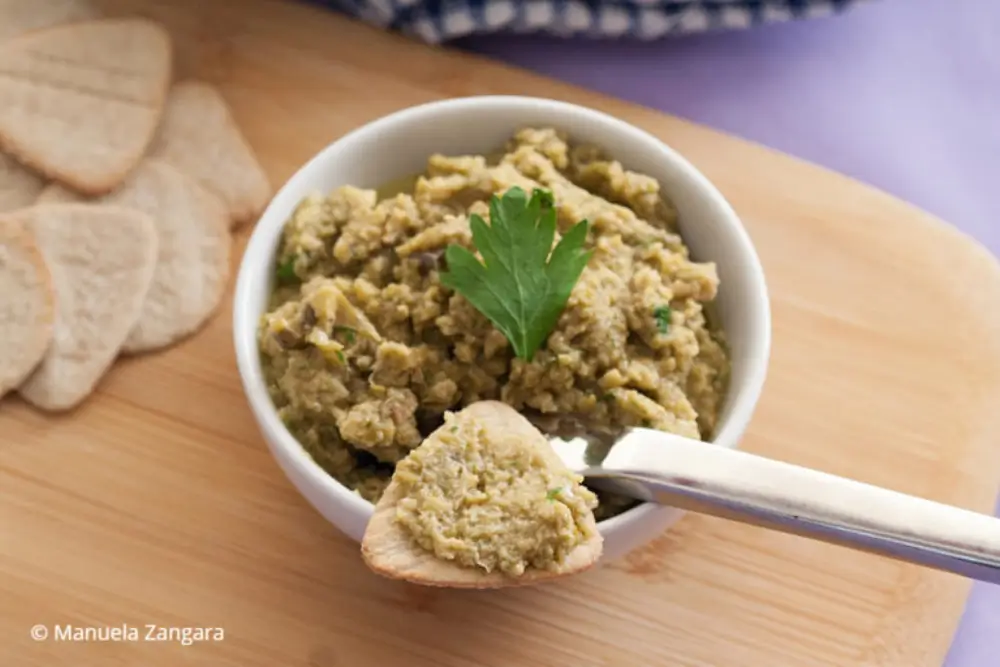
I love this Green Olive Tapenade. It is full of savoury flavour, and the capers give it a gentle sharpness, so do not skip them. This recipe is also naturally Low FODMAP, which makes it suitable for those who need a gentler option.
By now, you will know that I am a big fan of homemade condiments, and this is another one worth keeping on hand. I often use it in sandwiches as well.
Once you try it, you will see how quickly it comes together and how much flavour it adds to simple meals.
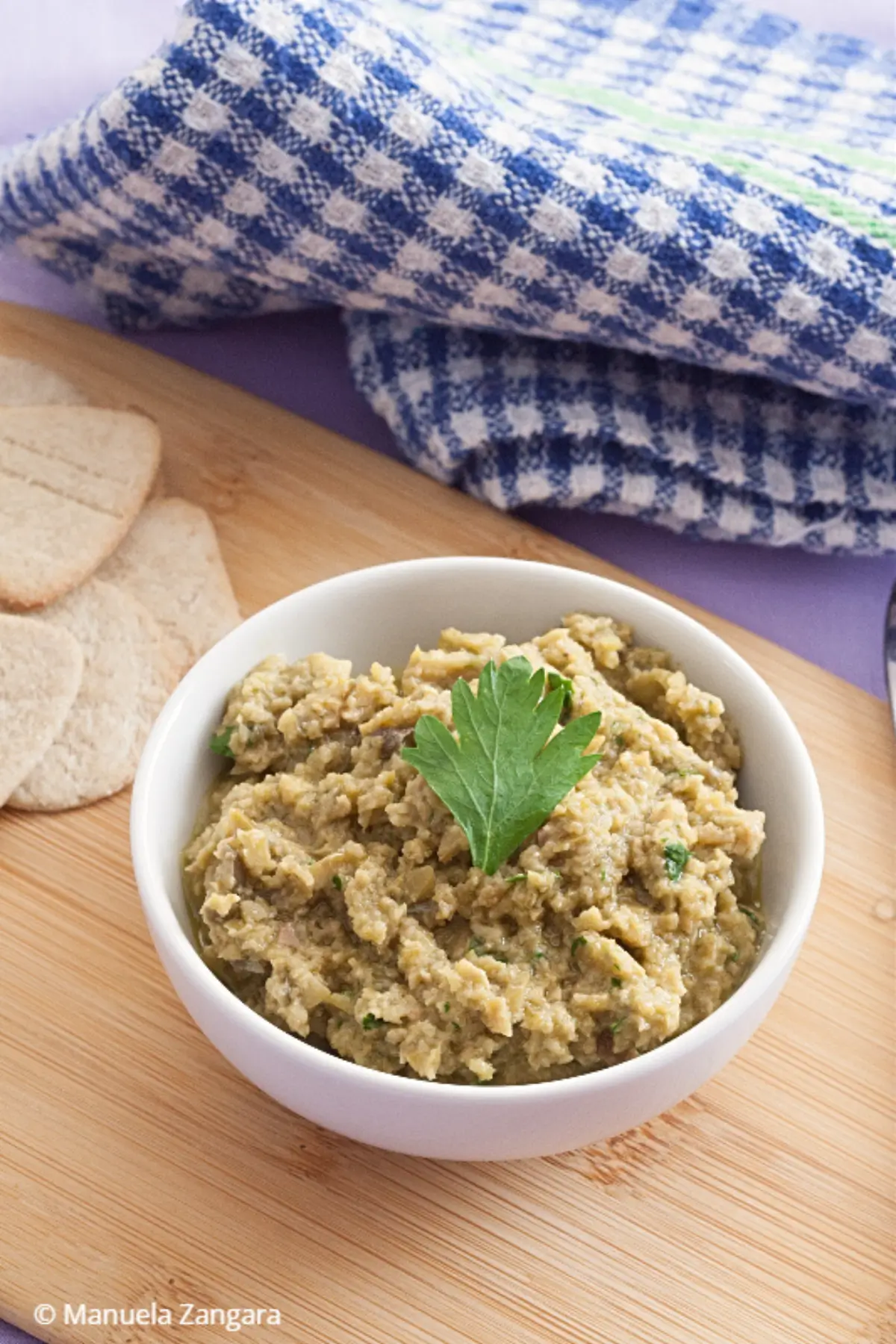
What Is Olive Tapenade?
Olive tapenade is a savoury spread made by blending olives with olive oil and simple flavourings until smooth or slightly coarse. It is rich, briny, and deeply aromatic, the kind of mixture you spoon onto warm bread.
The word tapenade comes from the Provençal word tapeno, meaning capers. In traditional southern French versions, capers are often blended with olives, anchovies, garlic, and good olive oil to create a deeply seasoned spread.
Tapenade is most closely associated with France, particularly the Provence region, where it is served as an apéritif over slices of baguette.
However, olive spreads have long been part of Mediterranean cooking more broadly. In Italy, crushed and seasoned olives have appeared on tables for centuries, often served before a meal with fresh bread for dipping.
Why We Love This Green Tapenade
- Makes plain toast or crackers feel more intentional, even when you’re just grabbing something quick to eat.
- Good way to use up olives sitting in the fridge and turn them into something you’ll actually reach for.
- Use it as a condiment for bread, pasta, and vegetables, or offer it alongside hummus for a simple savoury spread.
Key Ingredients for Green Olive Tapenade
Green Olives
Firm green olives give the tapenade its salty bite and texture. Castelvetrano olives are softer and slightly buttery, while Manzanilla olives are sharper and more briny. Choose olives packed in brine rather than vinegar for a cleaner olive taste.
Capers
Capers bring sharp saltiness and a light tang that lifts the olives. Smaller capers blend in more evenly. Rinse them well to control the salt level.
Lemon Juice
A small squeeze of fresh lemon sharpens the flavour and adds a light citrus lift. Fresh juice gives a brighter finish than bottled.
Fresh Parsley
Flat-leaf parsley adds freshness and softens the saltiness of the olives and capers. It blends smoothly and gives the tapenade a finer texture.
Find the complete list with measurements in the recipe card below.
How to Make Green Olive Tapenade
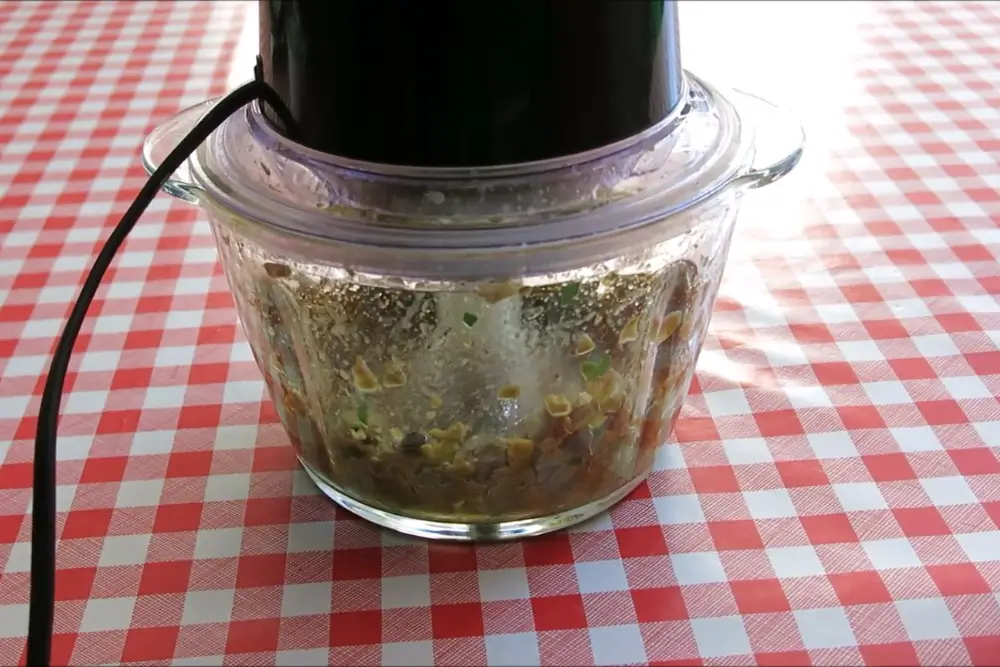
Step 1: Place the green olives, parsley, lemon juice, and rinsed capers into the bowl of a food processor. Drizzle the extra virgin olive oil and garlic-infused olive oil over the ingredients.
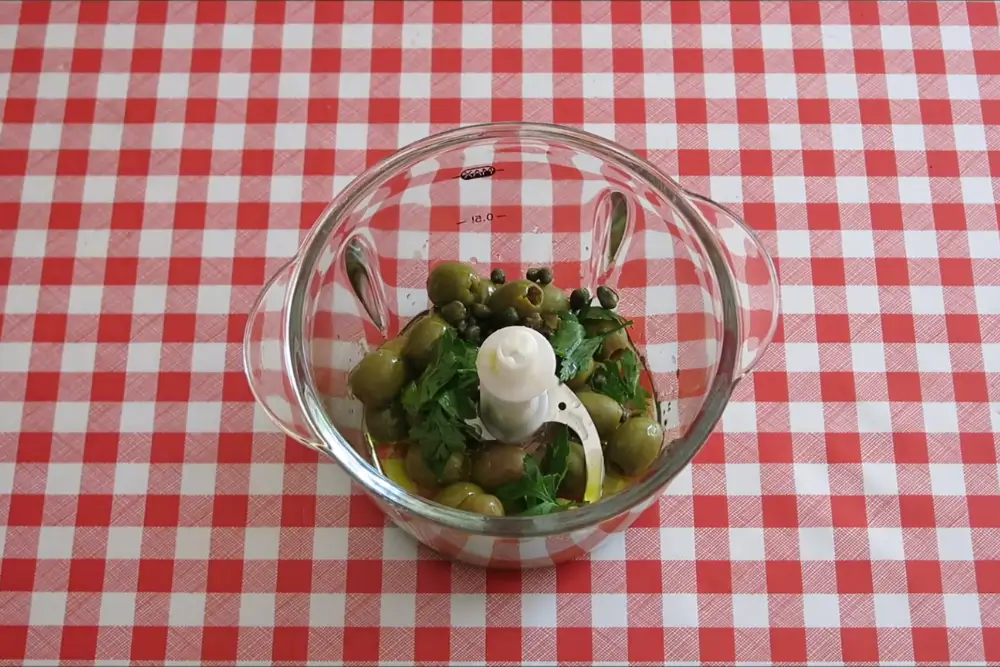
Step 2: Pulse until the mixture reaches your preferred consistency.
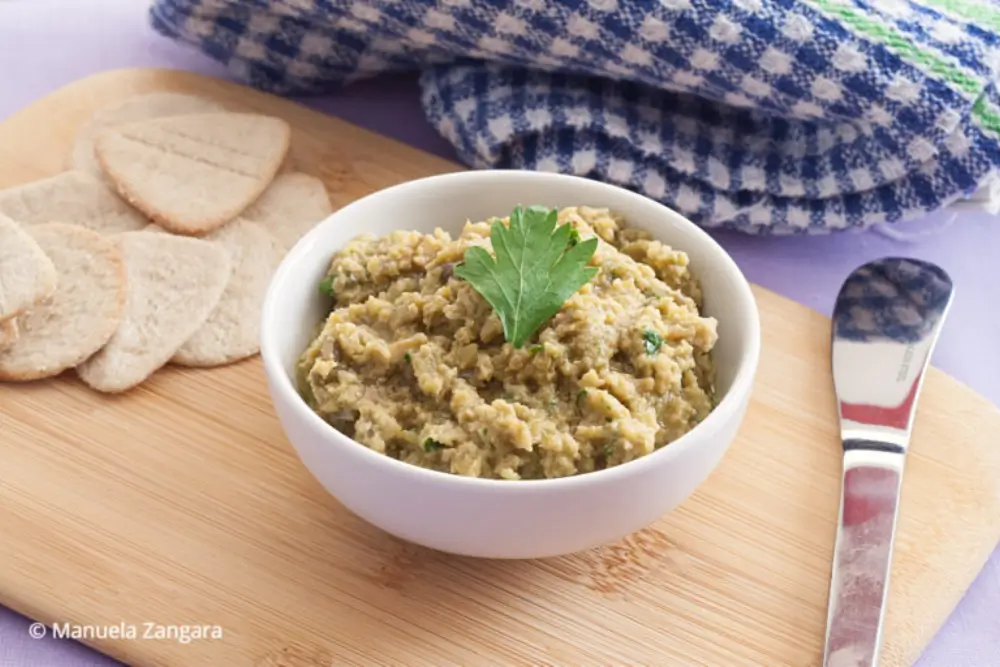
Step 3: Transfer to a bowl and serve with crusty bread or crackers.
Frequently Asked Questions
Yes, but the flavour will change. Black olives give a softer, slightly fruitier taste and a darker colour. You can also use half green and half black for a more rounded profile.
No. It adds a mild garlic flavour, but the tapenade works perfectly without it. If you prefer, you can add a small piece of fresh garlic instead and blend well.
Pulse briefly for a chunkier texture with visible olive pieces, or blend longer for a smoother spread. If it feels too thick, add a few drops of olive oil and pulse again until it reaches your preferred consistency.
A food processor makes the job quick and gives an even texture, but it is not essential. You can finely chop the olives, capers, and parsley by hand with a sharp knife, then mix everything together in a bowl.
It pairs well with crusty bread, toasted baguette slices, crackers, or focaccia. You can also serve it alongside cheese, cured meats, grilled vegetables, or spoon it over roasted chicken or fish for extra flavour.
Extra Help from the Kitchen
Dry the Olives Thoroughly – Pat the olives dry with kitchen paper before blending. Excess brine can loosen the texture and make the tapenade taste sharper than intended.
Let It Rest Before Serving – Chill for 30 minutes after blending so the flavours come together and taste more rounded.
Avoid Over-Blending – Continuous blending can warm the mixture and make it too smooth. Short pulses keep texture and prevent oil separation.
Use a Small Processor Bowl if Possible – A smaller bowl helps the blades catch the olives properly and prevents the mixture from simply spinning around the sides without chopping evenly.
Scrape Down More Than Once – Stop blending midway and scrape the sides, especially near the top of the bowl. Parsley and capers tend to cling there and may not incorporate fully otherwise.
Variations and Twists
Blend in Anchovies and Pine Nuts – Add 1 to 2 anchovy fillets and 1 to 2 tablespoons toasted pine nuts to the food processor with the olives. The anchovies deepen the savoury flavour, while the pine nuts give a slightly richer, smoother texture. Reduce the capers slightly to keep the salt level steady.
Include Lemon Zest and Red Pepper Flakes – Add a little finely grated lemon zest and a pinch of red pepper flakes before pulsing. The zest adds extra citrus aroma, and the chilli brings gentle heat without changing the base flavour.
Add Sun-Dried Tomatoes – Blend in a small amount of oil-packed sun-dried tomatoes for a subtle sweetness and deeper colour. Pat them dry first so the mixture does not become too loose.
Mix in Mixed Olives – Replace part of the green olives with Kalamata or other brined olives. This gives a darker colour and a slightly fruitier taste while keeping the same blending method.
Boost the Herb Flavour with Fresh Herbs – Add a little fresh basil along with the parsley before blending. Use it sparingly.
Ways to Serve Green Olive Tapenade
Dip – Serve it in a small bowl with crusty bread, crackers, flatbread, or fresh crudités such as carrots, cucumbers, and celery for dipping.
Crostini Topping – Spoon it over toasted baguette slices and finish with a drizzle of olive oil for a simple appetiser.
Pizza Base – Spread a thin layer over pizza dough before adding cheese and toppings, or dot it over a baked pizza for extra savoury flavour.
Pasta Stir-In – Toss a spoonful through warm pasta with a little olive oil for a quick, salty finish.
Grazing Board Addition – Add a bowl to an antipasto platter with cheeses, cured meats, and hummus.
Storage and Shelf Life
Store Green Olive Tapenade in an airtight container in the refrigerator for up to 7 days. Smooth the surface and cover it with a thin layer of olive oil before sealing to reduce air exposure and maintain flavour.
Freeze in small airtight containers or ice cube trays for up to 2 months. Thaw overnight in the refrigerator and stir well before serving.
Allow it to sit at room temperature for 15 to 20 minutes before serving so the olive oil softens and the texture becomes spreadable again.
More Savoury Recipes You Might Like
Green Olive Tapenade Recipe
Thick, spoonable Green Olive Tapenade comes together in just 5 minutes and makes plain toast irresistibly savoury and rich.
Ingredients
- 6 tbsp green olives – pitted
- 1 ¼ tbsp extra virgin olive oil
- ¼ tbsp garlic-infused olive oil – optional
- 1 tbsp fresh parsley
- ½ tbsp lemon juice
- ½ tbsp capers – rinsed
Instructions
-
Place the green olives, parsley, lemon juice, and rinsed capers into the bowl of a food processor. Drizzle the extra virgin olive oil and garlic-infused olive oil over the ingredients.
-
Pulse until the mixture reaches your preferred consistency.
-
Transfer to a bowl and serve with crusty bread or crackers.

Love travelling as much as cooking?
Many of the recipes I share are inspired by places I’ve visited around the world. On Travel with Manu you’ll find destination guides, itineraries and travel inspiration to help you plan your next adventure.










That looks AMAZING!!! I’m gonna try making it!! Thanks for posting this!!
This tapenade looks like oats. This may look simple but I’m pretty sure that it’s delicious and lots of nutrition. Perfect for diet.